
01
Invisible Grills
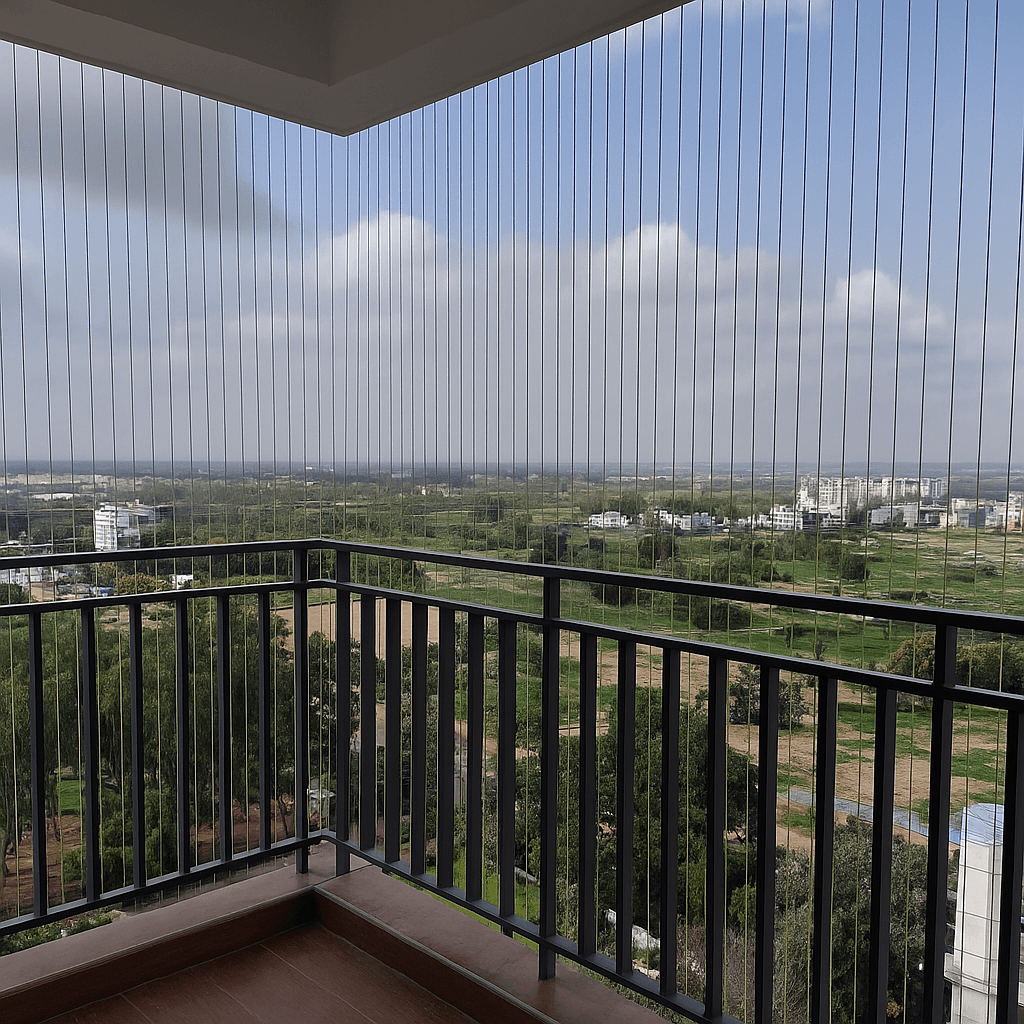
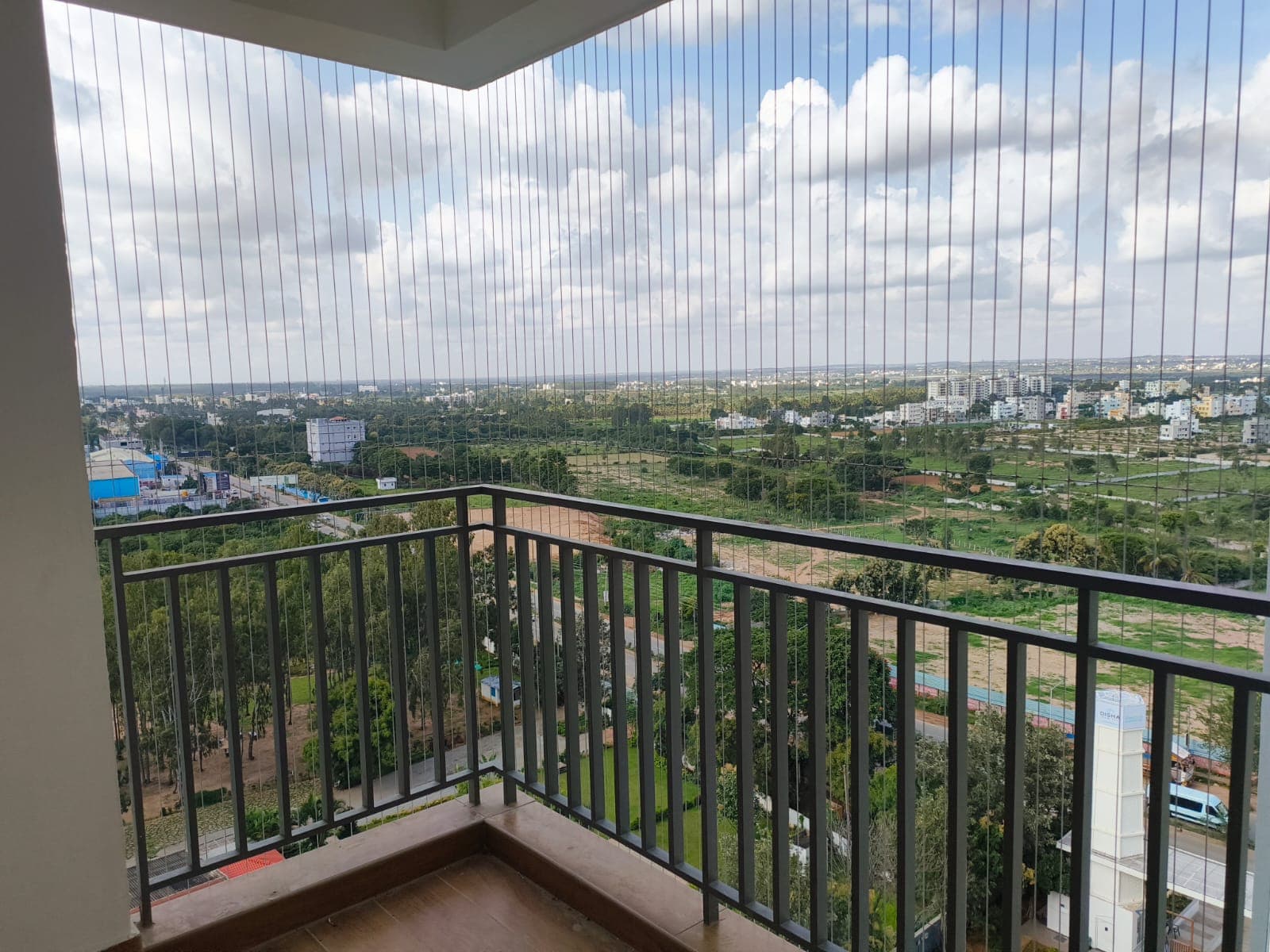
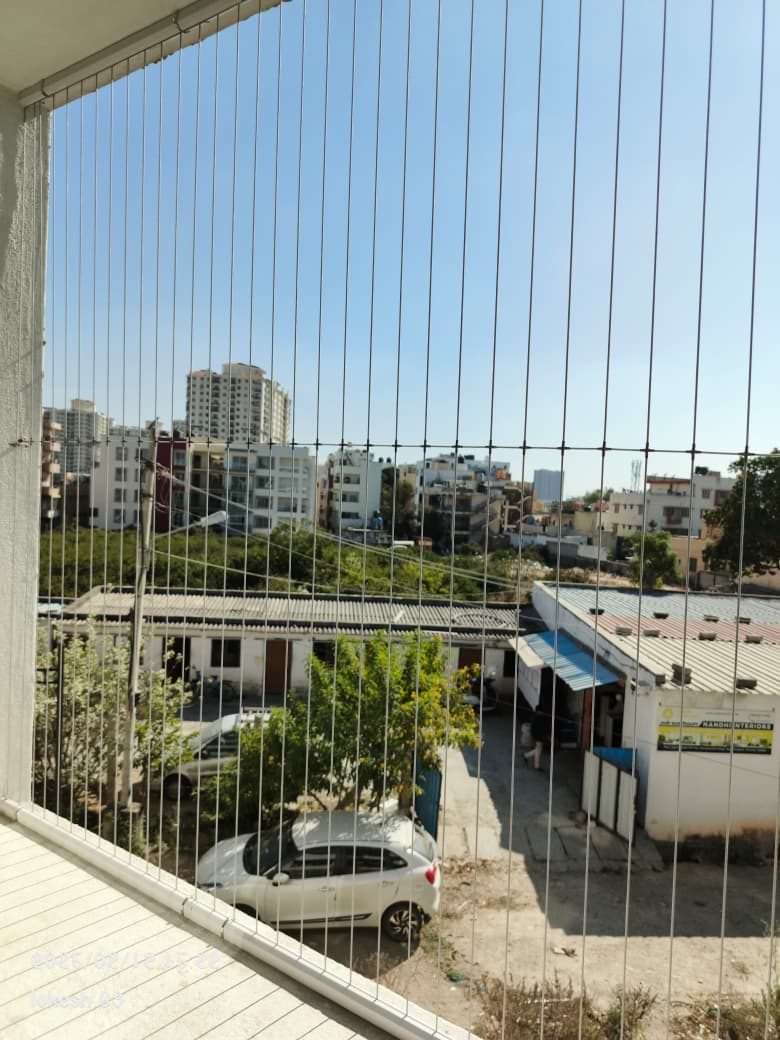
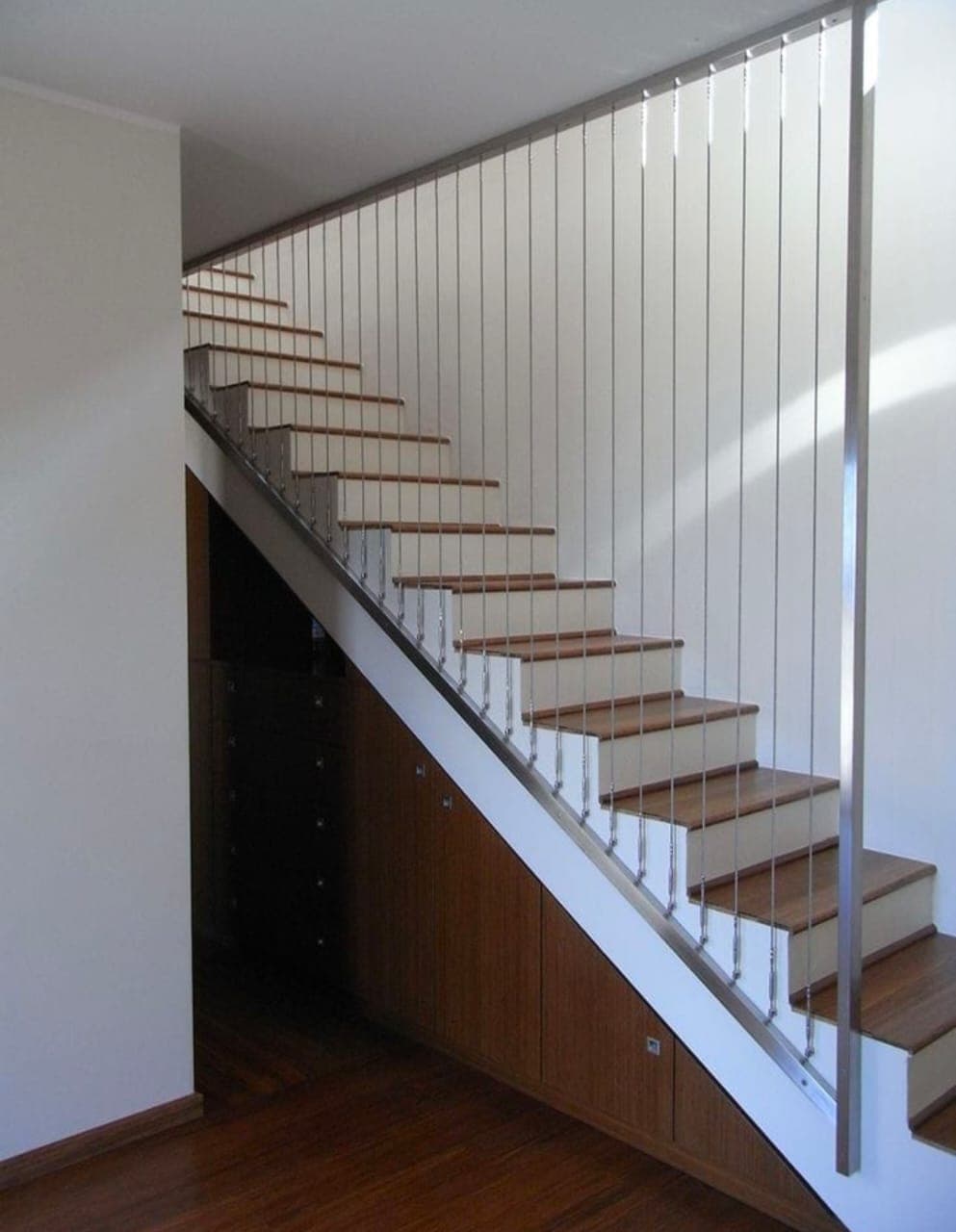
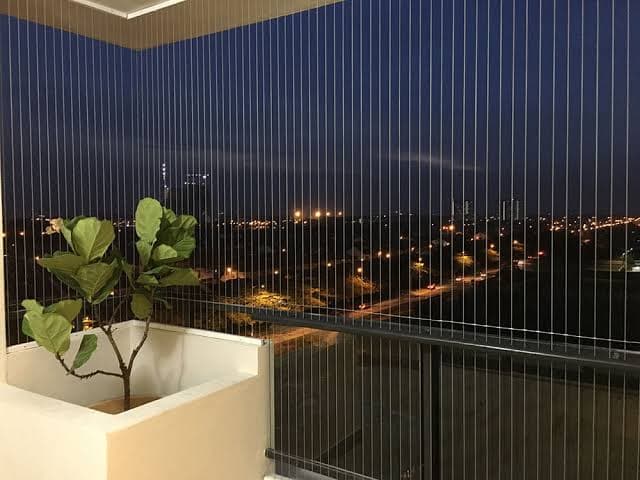
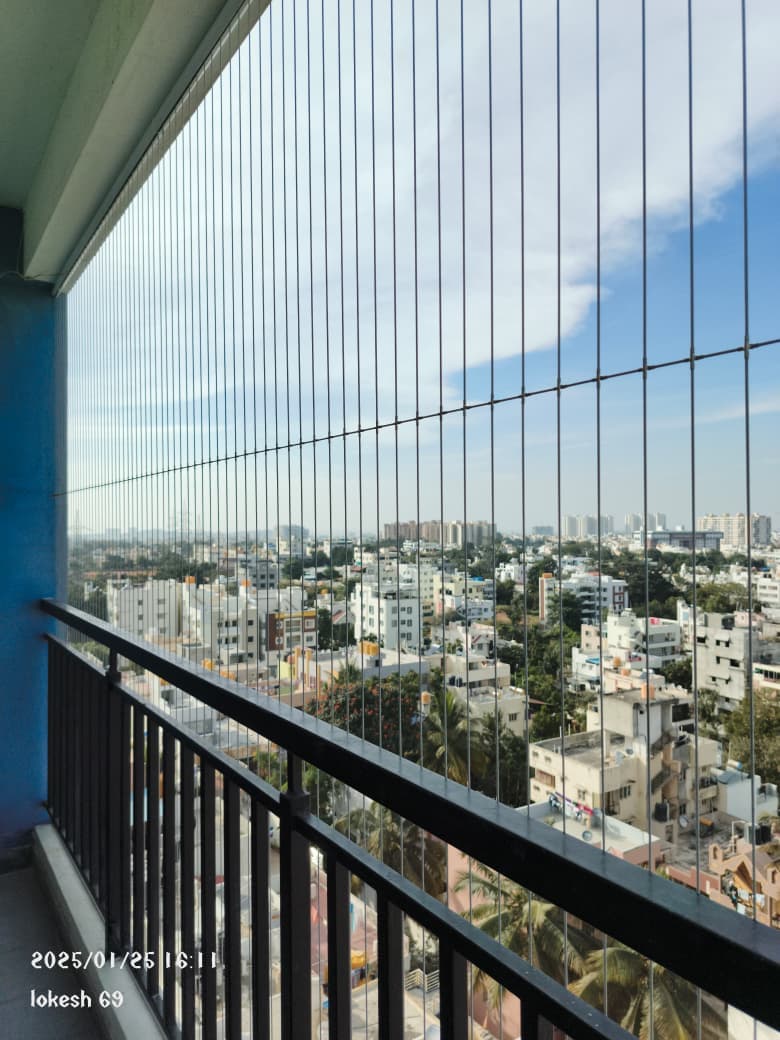
Tensioned stainless steel cable barriers that secure balconies and windows without blocking light, airflow or the view.
Explore Invisible grills →
Premium Invisible Grills & Safety Nets across South & West India.
Avensafe · survey before any firm price
Balcony safety nets, pigeon protection, and slim cable grills planned around your opening, your view, and how you use the home — with locality-level pages across eight states, not a thin national brochure.
Your space · the right protection
Balcony safety, bird control, and slim cable grills are the three most common starting points. Each opens its own hub with photos, locality pages, and written-quote guidance — deeper than a single national brochure.
Tensioned stainless steel cable barriers that secure balconies and windows without blocking light, airflow or the view.
Explore Invisible grills →
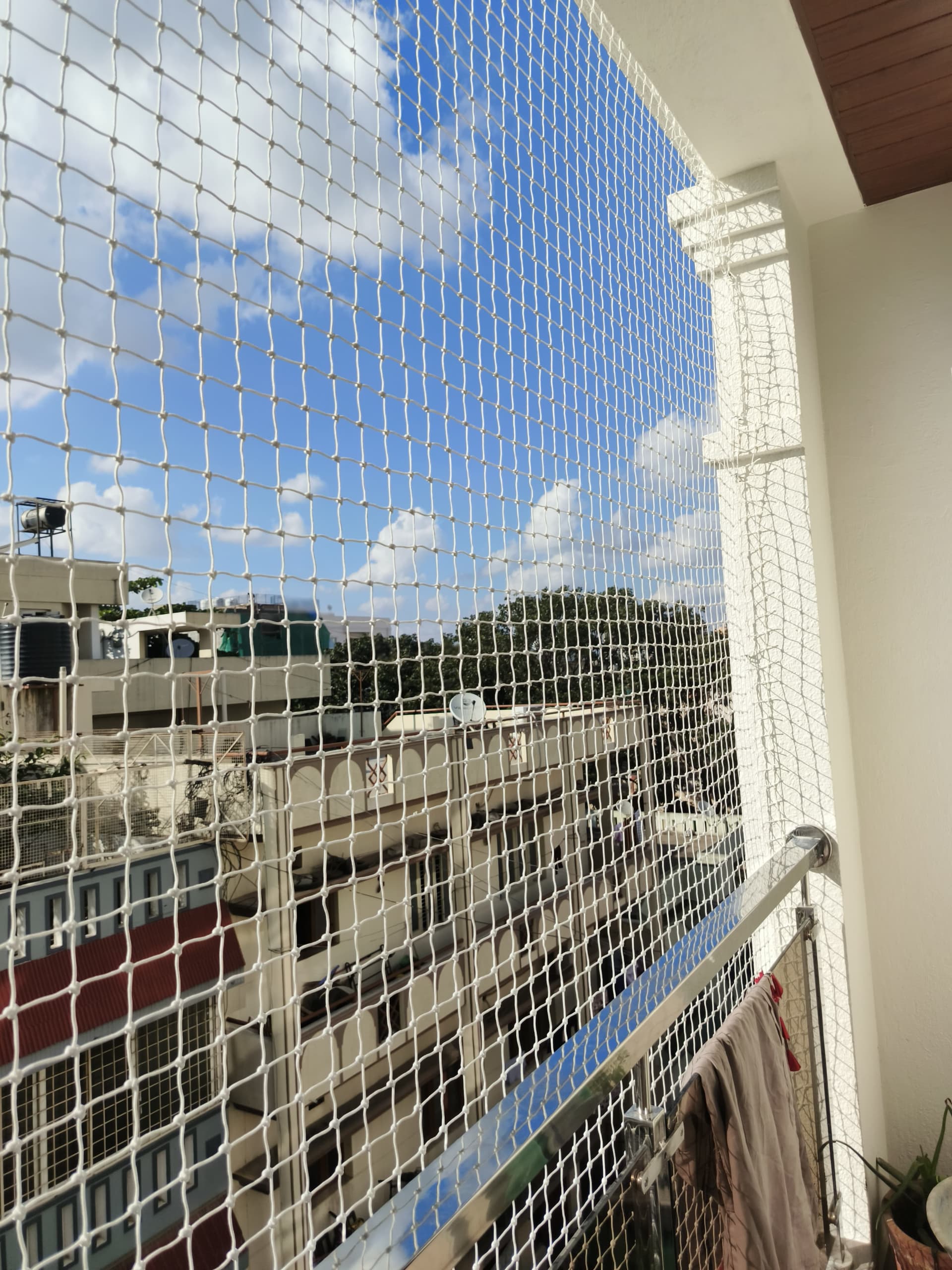
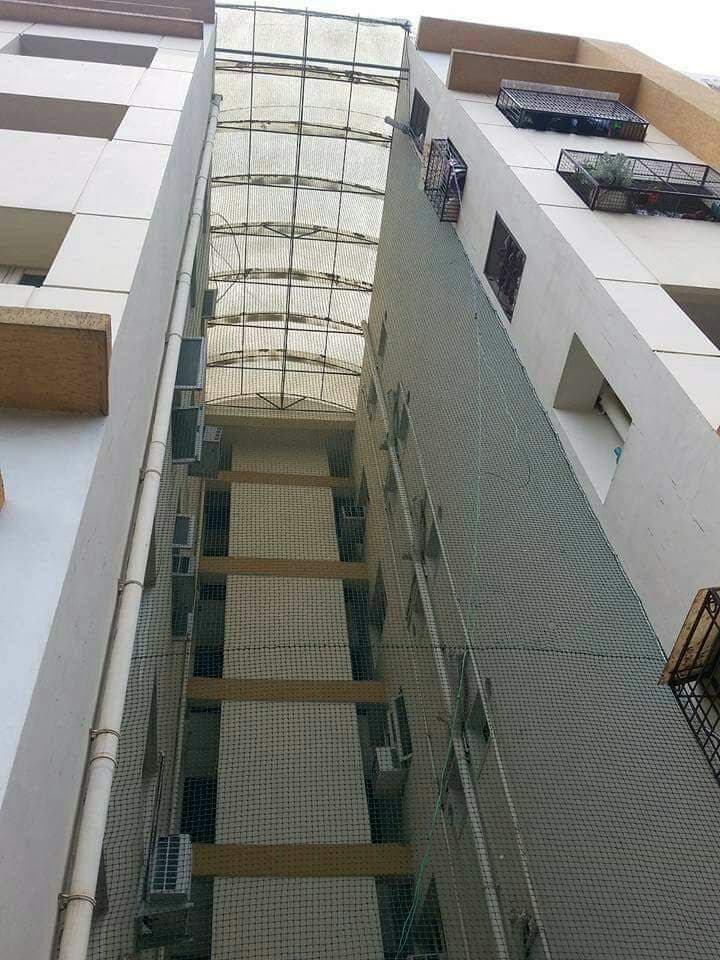
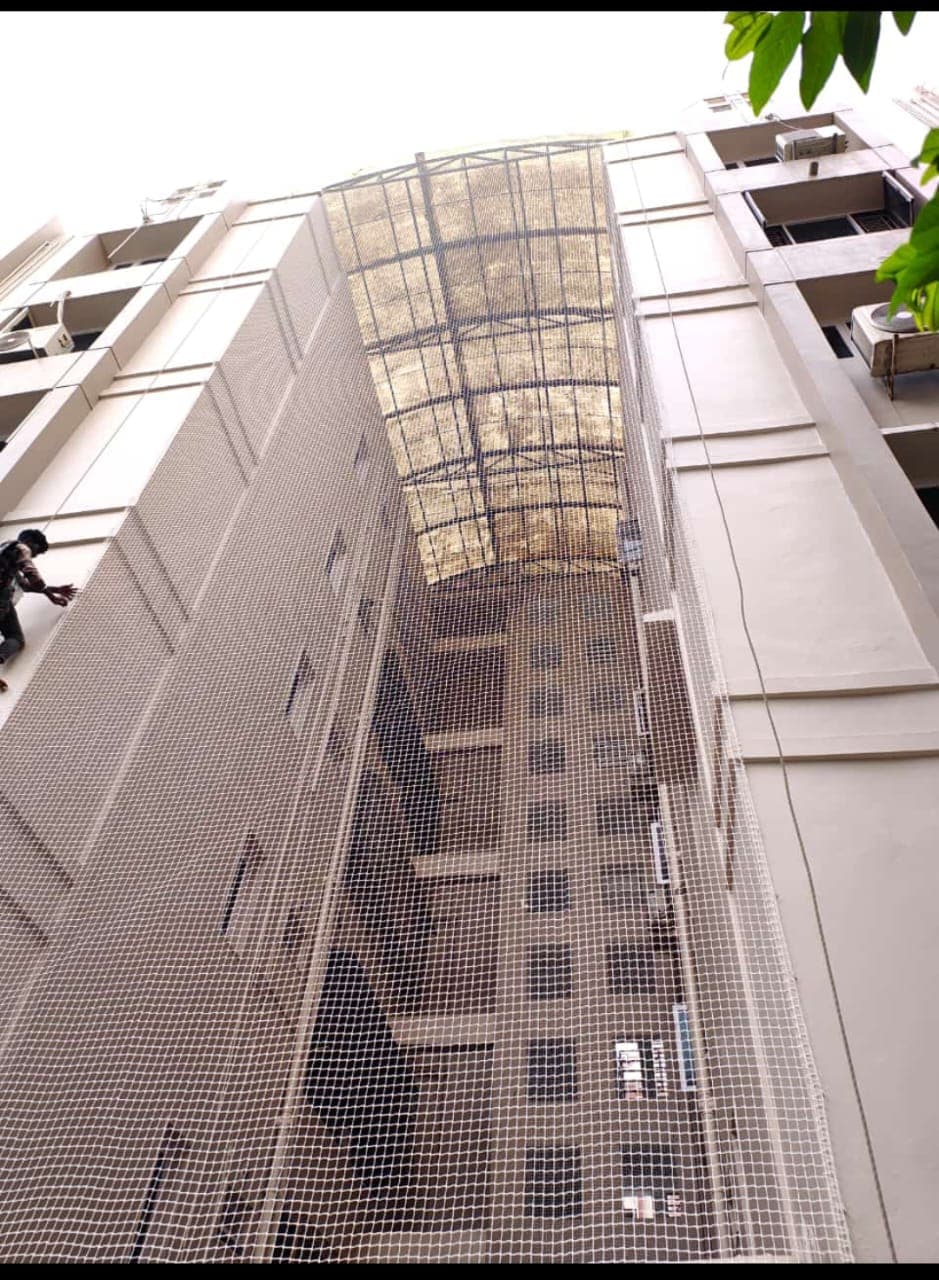
UV-stabilised knotted nets fitted to balconies, shafts and open edges to catch falling people, objects and birds.
Explore Safety nets →
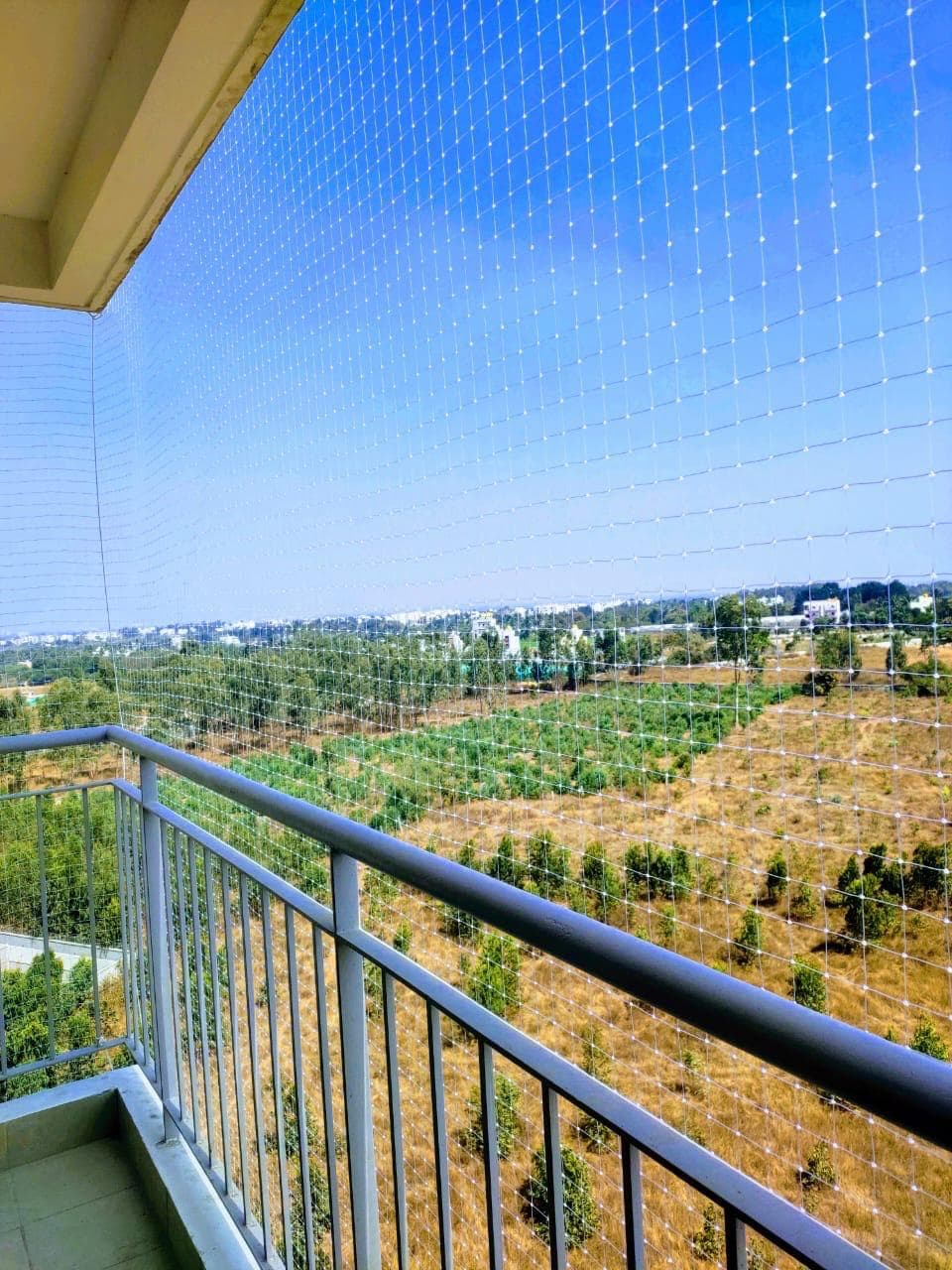
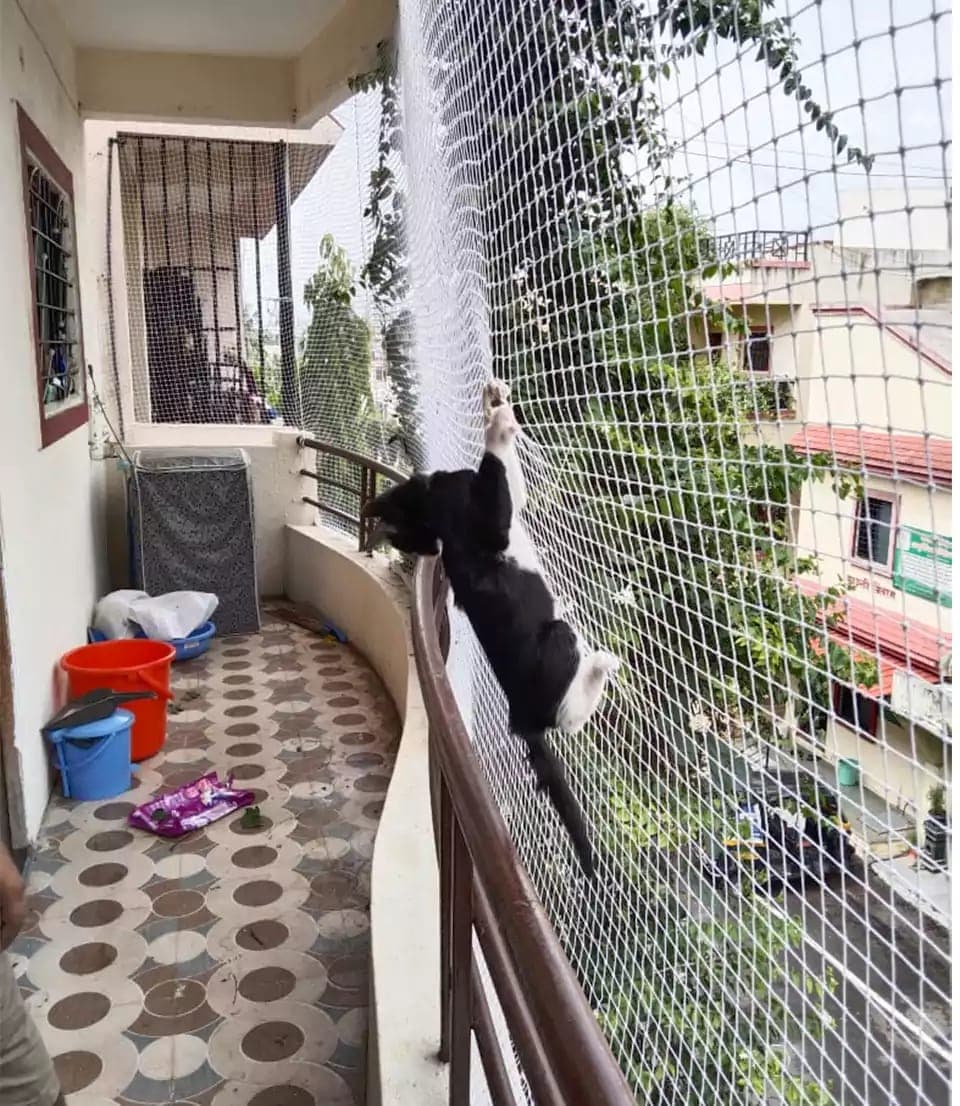
Purpose-built balcony enclosure nets for apartments, villas, and high-rise bays — sized for child safety, pet containment, and everyday fall protection.
Explore Balcony nets →
Choosing by the problem is faster than comparing product names. Pick the closest need; mesh size, cable spacing, and fixing are confirmed after measurement — then open the city or locality page for your building stock.
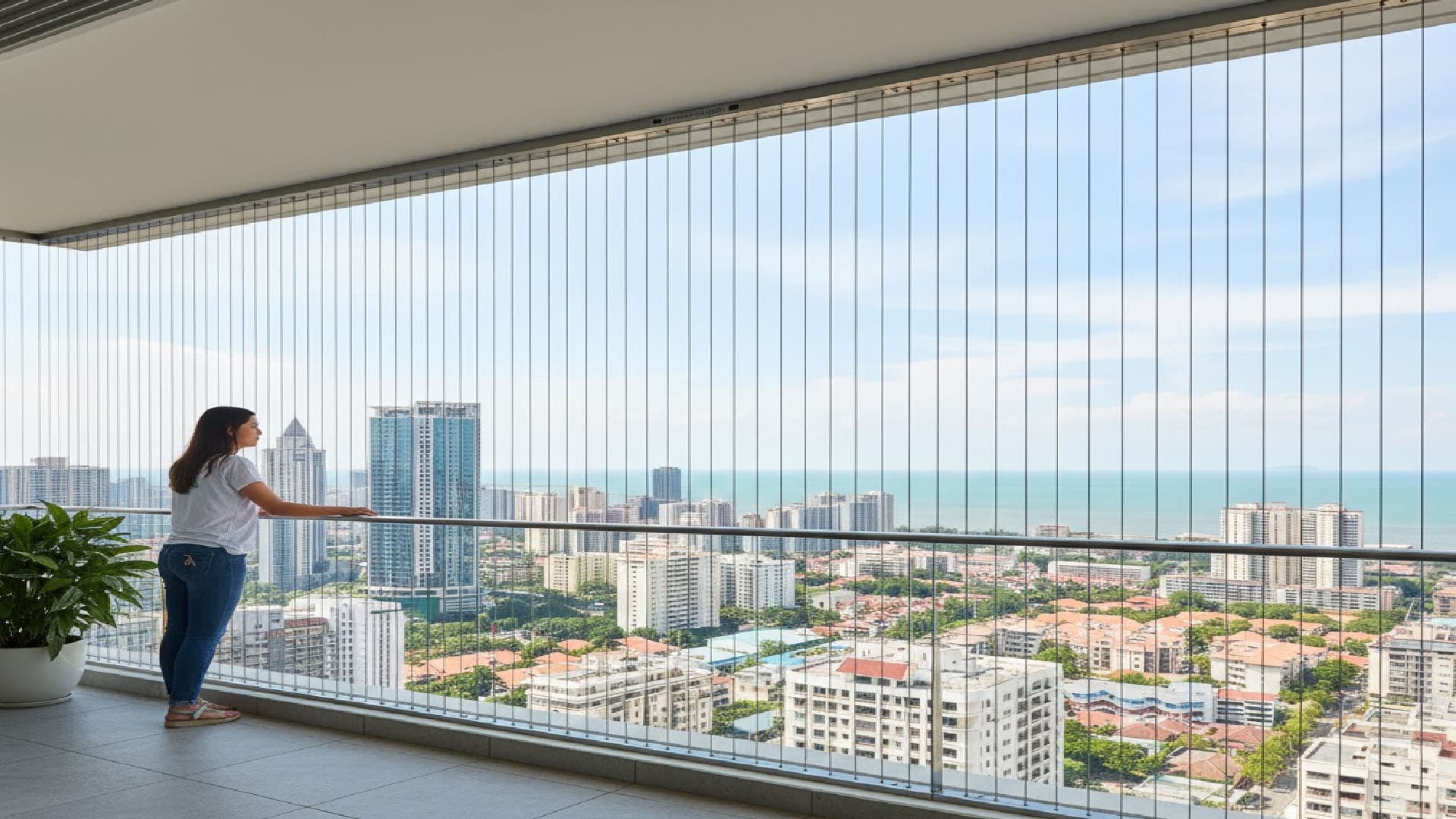
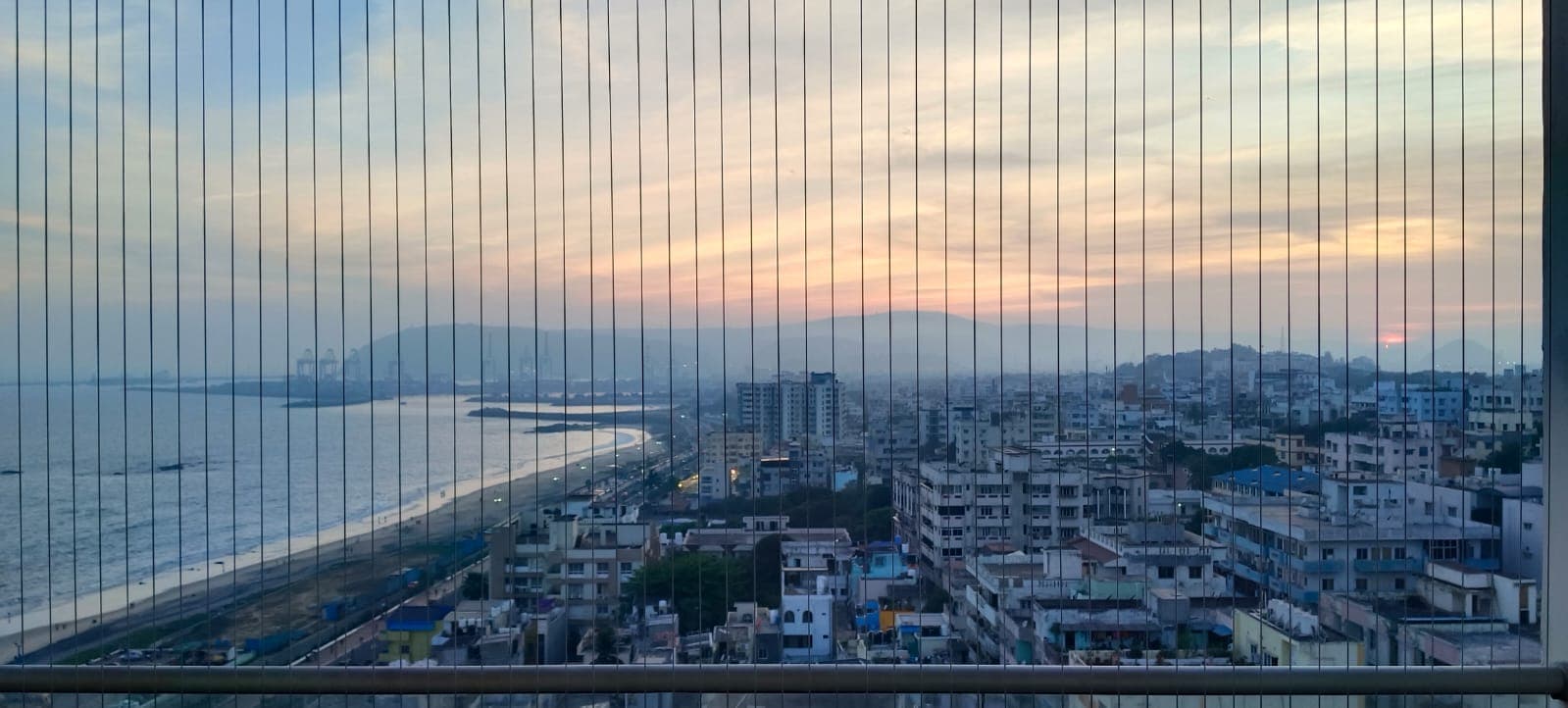
Cable grills and transparent nets for front-facing balconies and windows where daylight and outlook matter as much as safety.
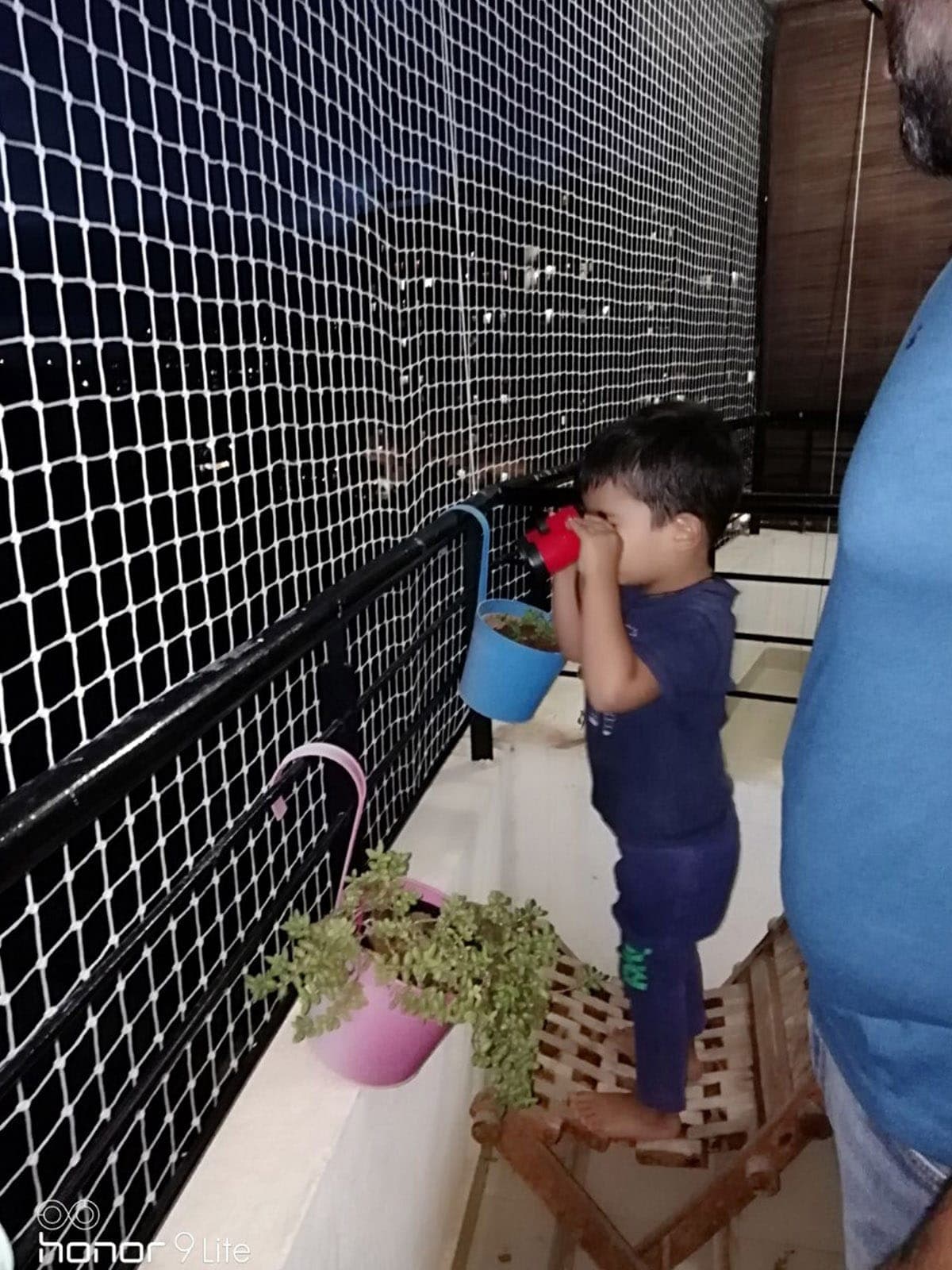
Fall barriers planned around rail height, side returns, stair voids, and how kids or pets actually use the opening.
Full-opening nets and ledge control for balconies, ducts, and AC lines where pigeons keep nesting.
Heavier mesh and corner fixings for homes near trees, hills, or open plots where light bird netting is not enough.
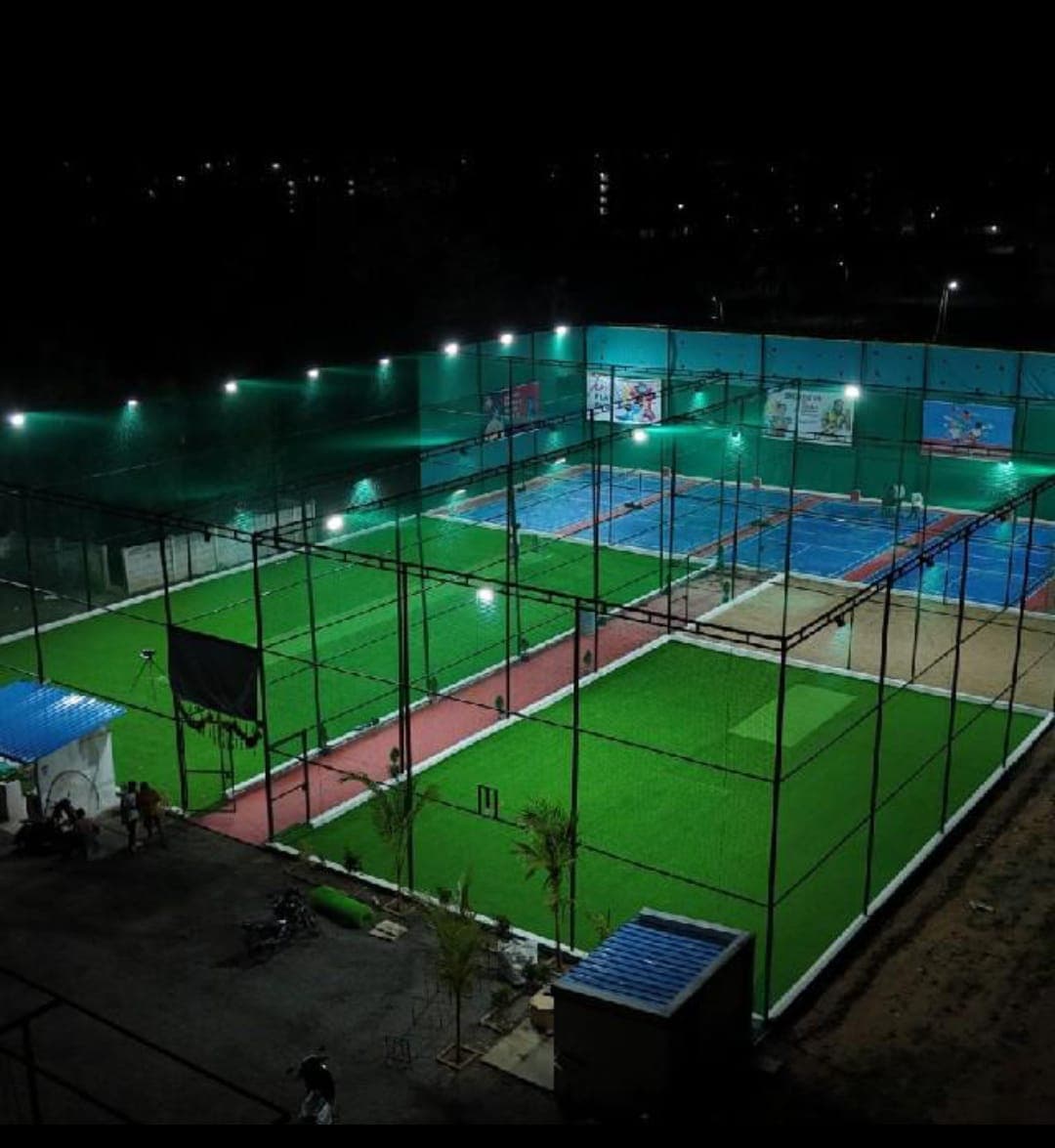
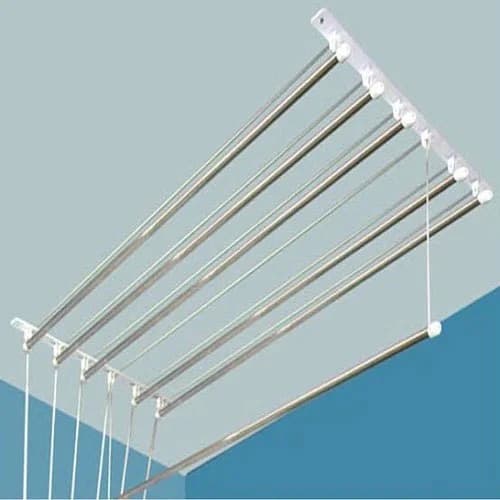
Containment nets for terrace practice and pulley cloth hangers that free floor space without a messy DIY look.
Unit clarity, a written-quote checklist, and photo estimates — not a fake national ₹/sq ft band that pretends every balcony is the same.
About Avensafe
We design, supply and install invisible grills, safety nets and bird protection for homes, apartments and commercial spaces across 8 states and 217 cities.
At Avensafe Solutions, safety is never a compromise on style. Our team uses surveyed openings, climate-matched materials and proven fixing methods — without blocking your view, light or airflow.
Make every home safer with premium, near-invisible solutions.
Honest pricing, premium materials and clean installation, every time.
Neat finishing, on-time service and dependable after-sales support.
Core services
Invisible grills, balcony and bird nets, sports nets, cloth hangers, duct and building covering — each card opens its own hub.
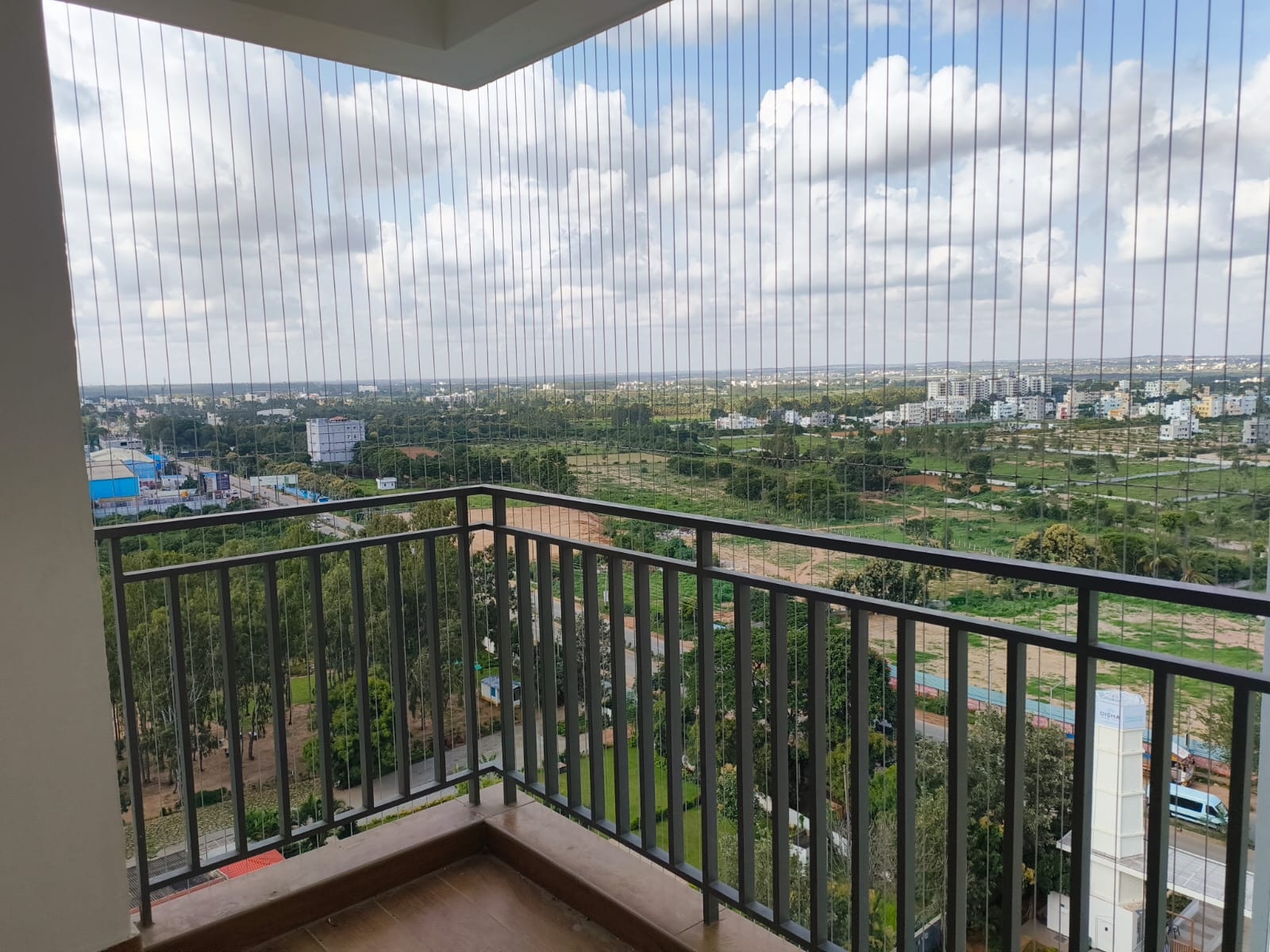
Tensioned stainless steel cable barriers that secure balconies and windows without blocking light, airflow or the view.
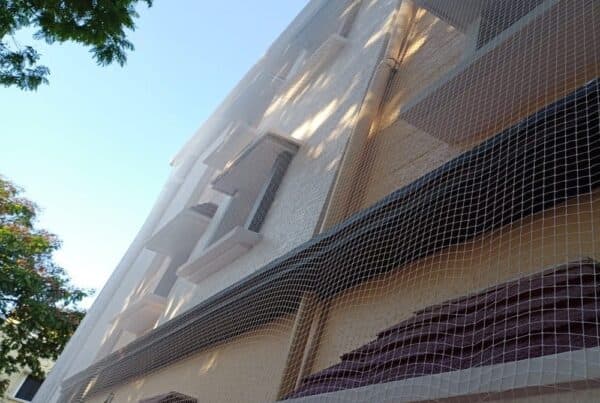
UV-stabilised knotted nets fitted to balconies, shafts and open edges to catch falling people, objects and birds.
Purpose-built balcony enclosure nets for apartments, villas, and high-rise bays — sized for child safety, pet containment, and everyday fall protection.
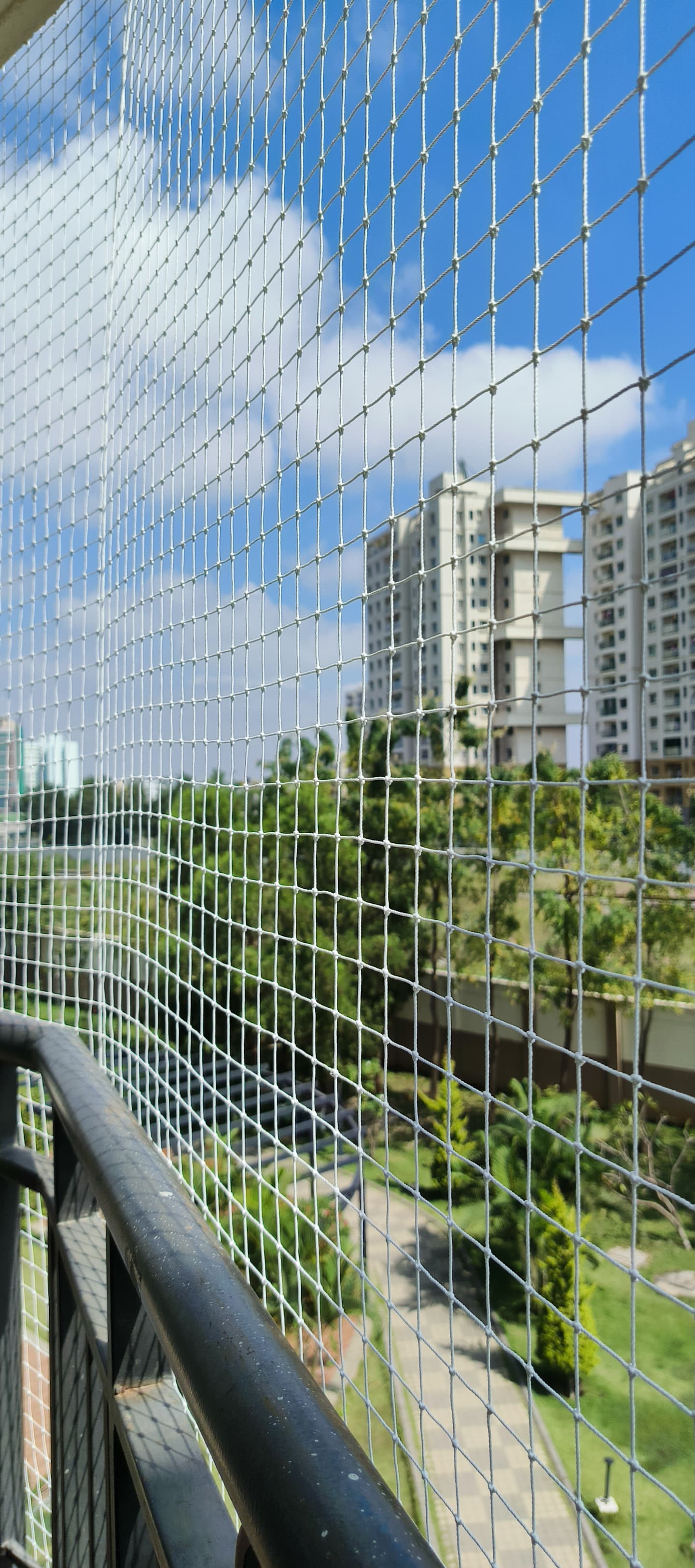
Fine-mesh bird and pigeon exclusion nets for balconies, windows, ledges, and duct mouths — specified to deny nesting without pretending to be a fall-arrest system.
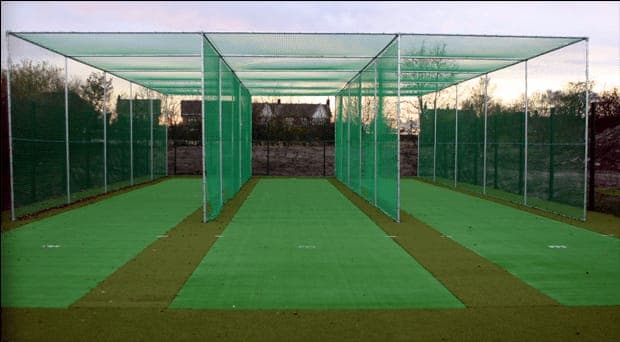
Impact-rated barrier and containment netting for cricket practice, turf grounds, terraces and multi-sport courts.
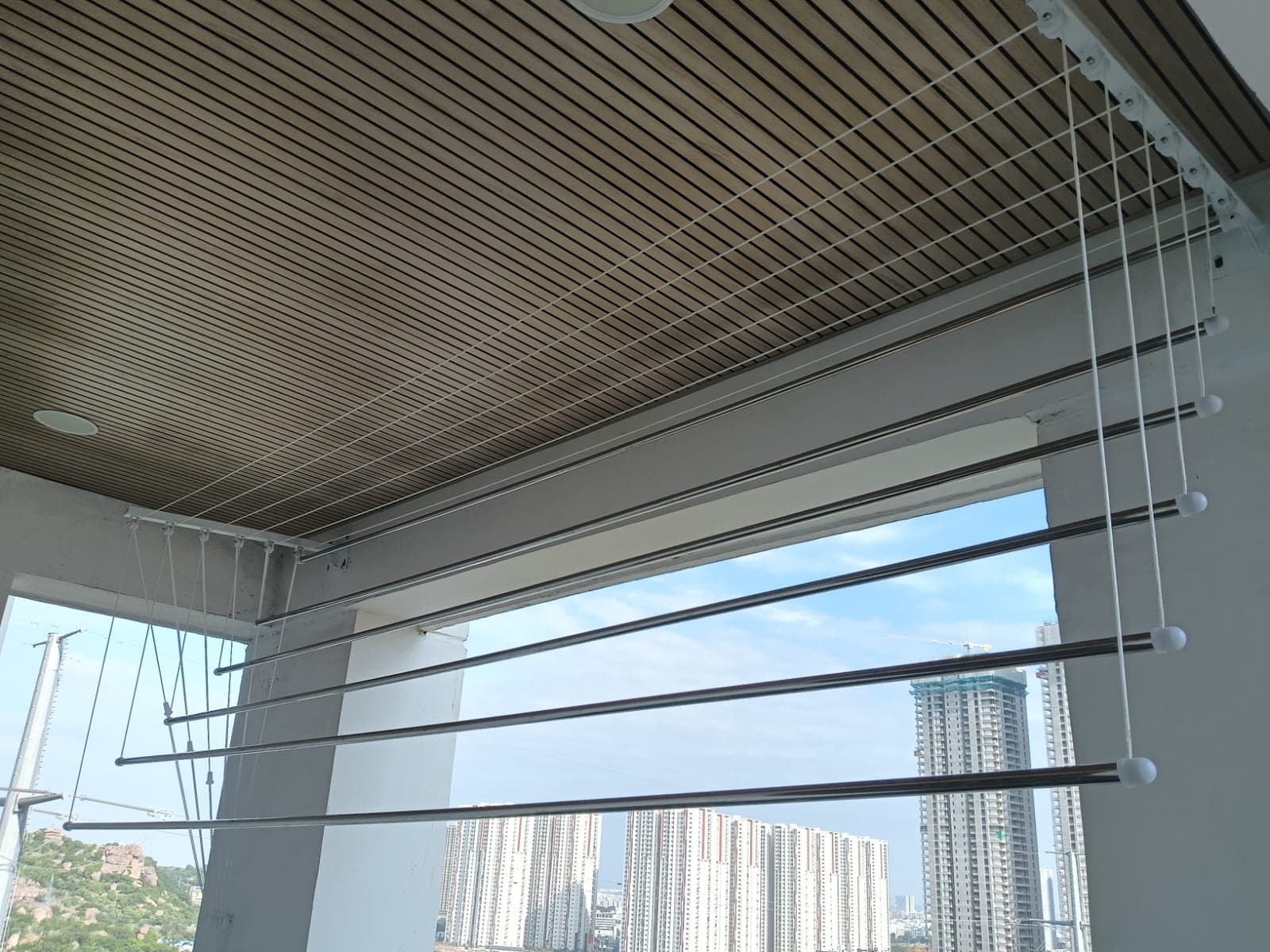
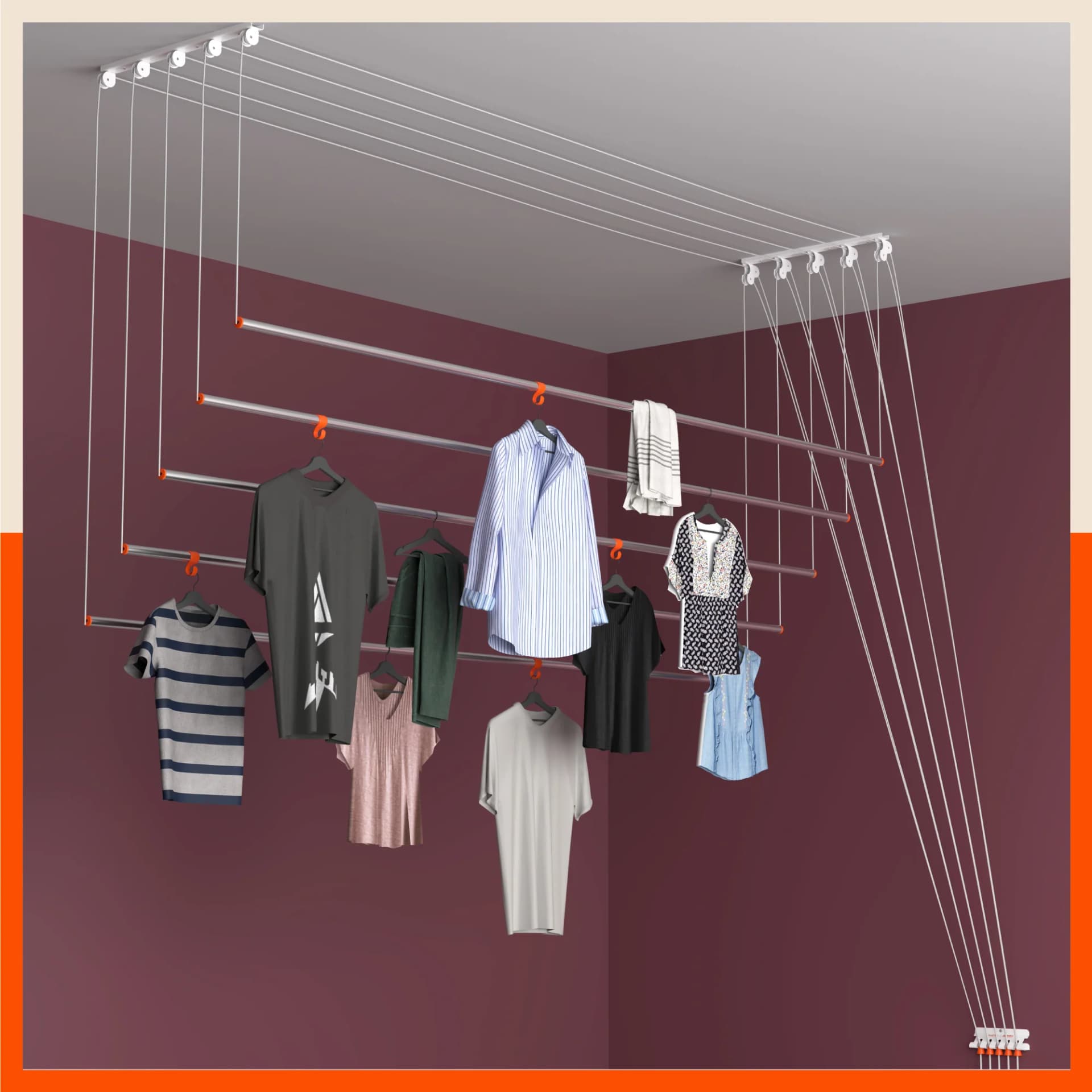
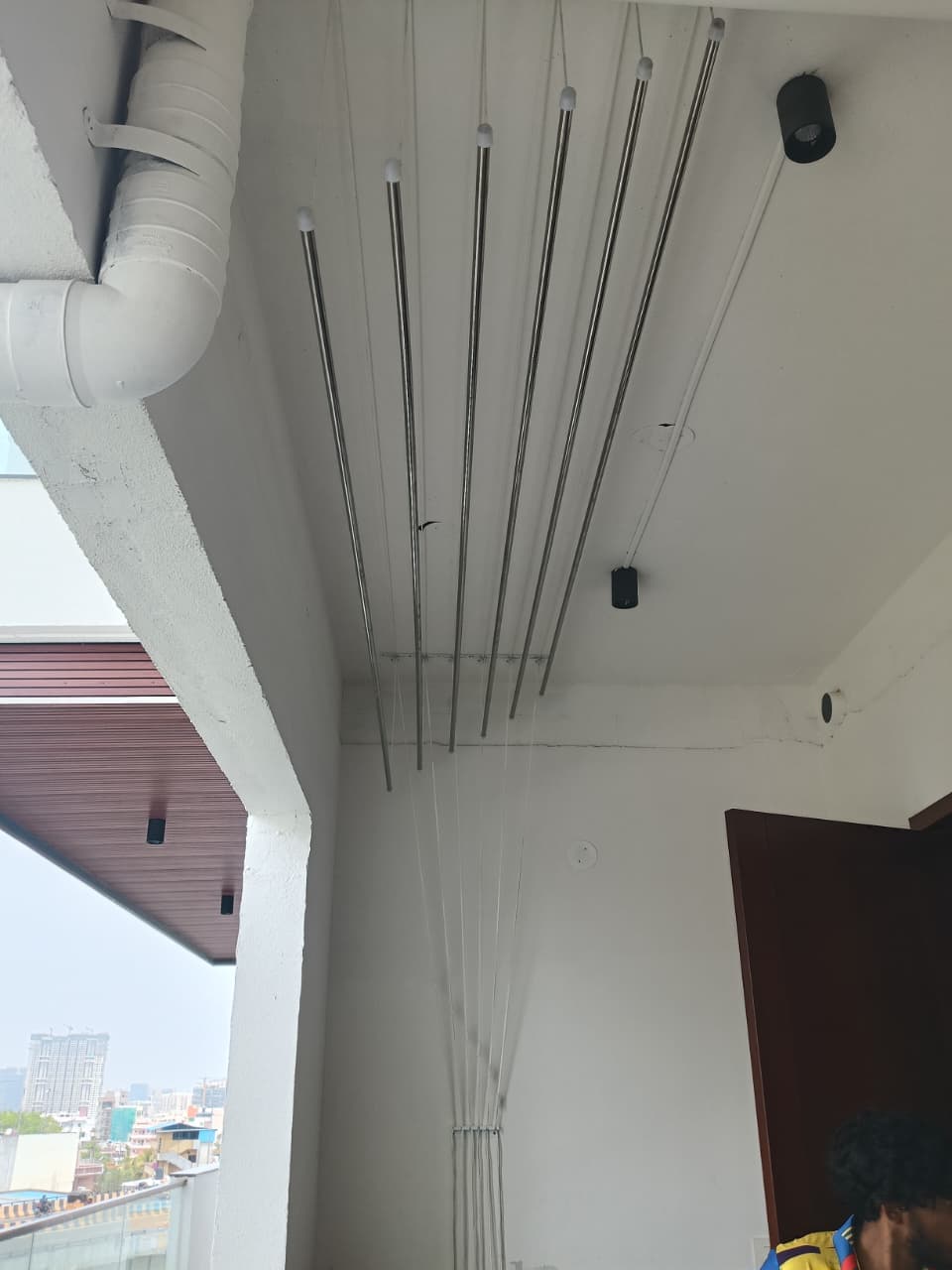
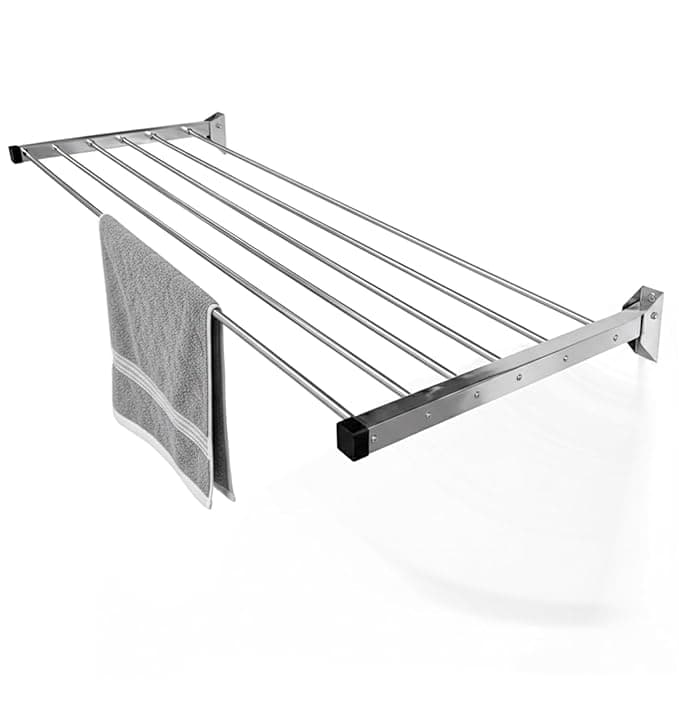
Ceiling-mounted pulley, wall-mounted retractable and telescopic drying systems sized to the balcony and the load.
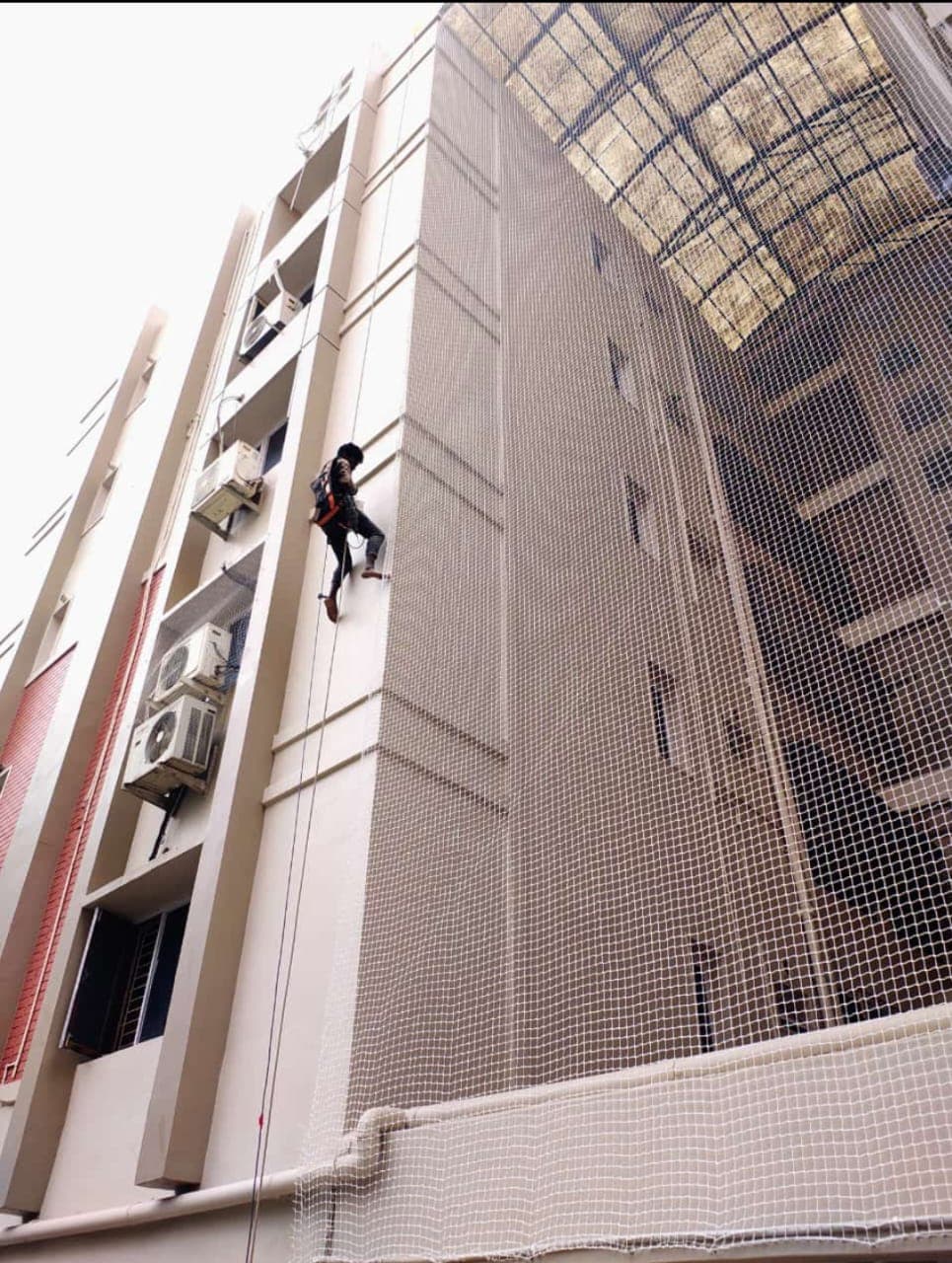
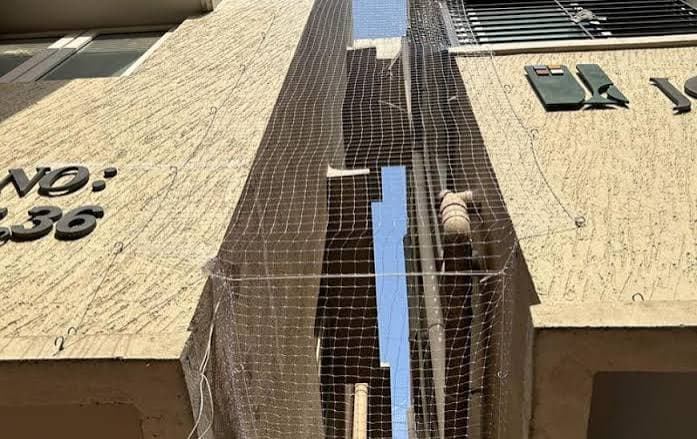
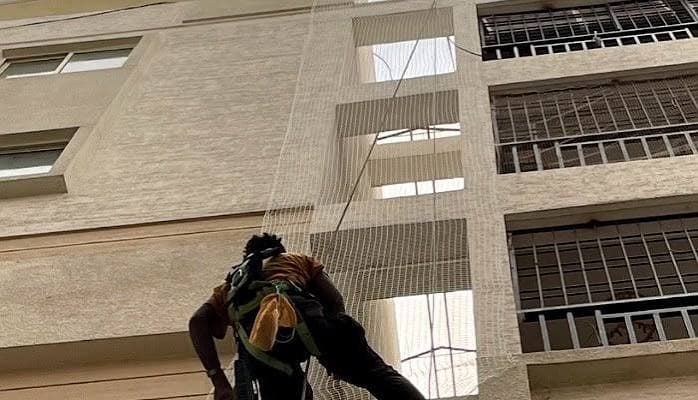
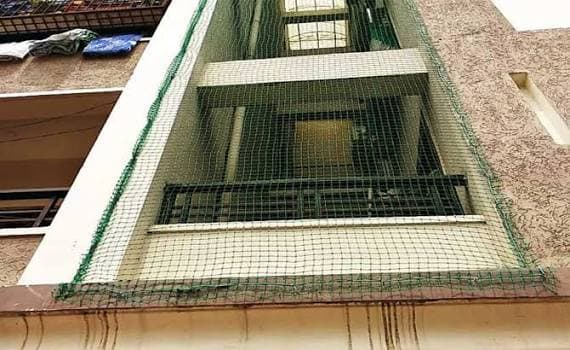
Nets fitted across service shafts and duct openings to stop falling objects, bird nesting and refuse accumulation.
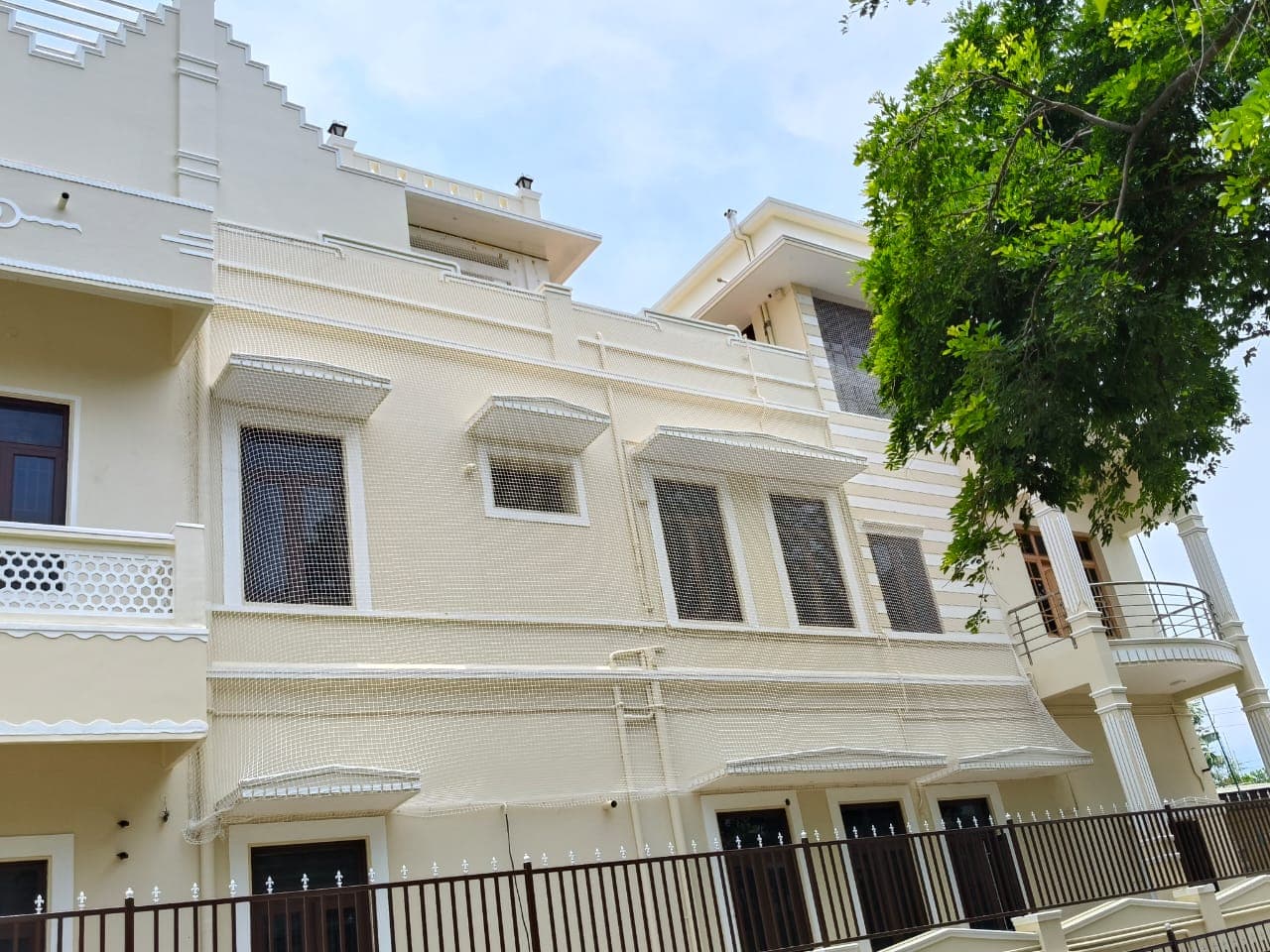
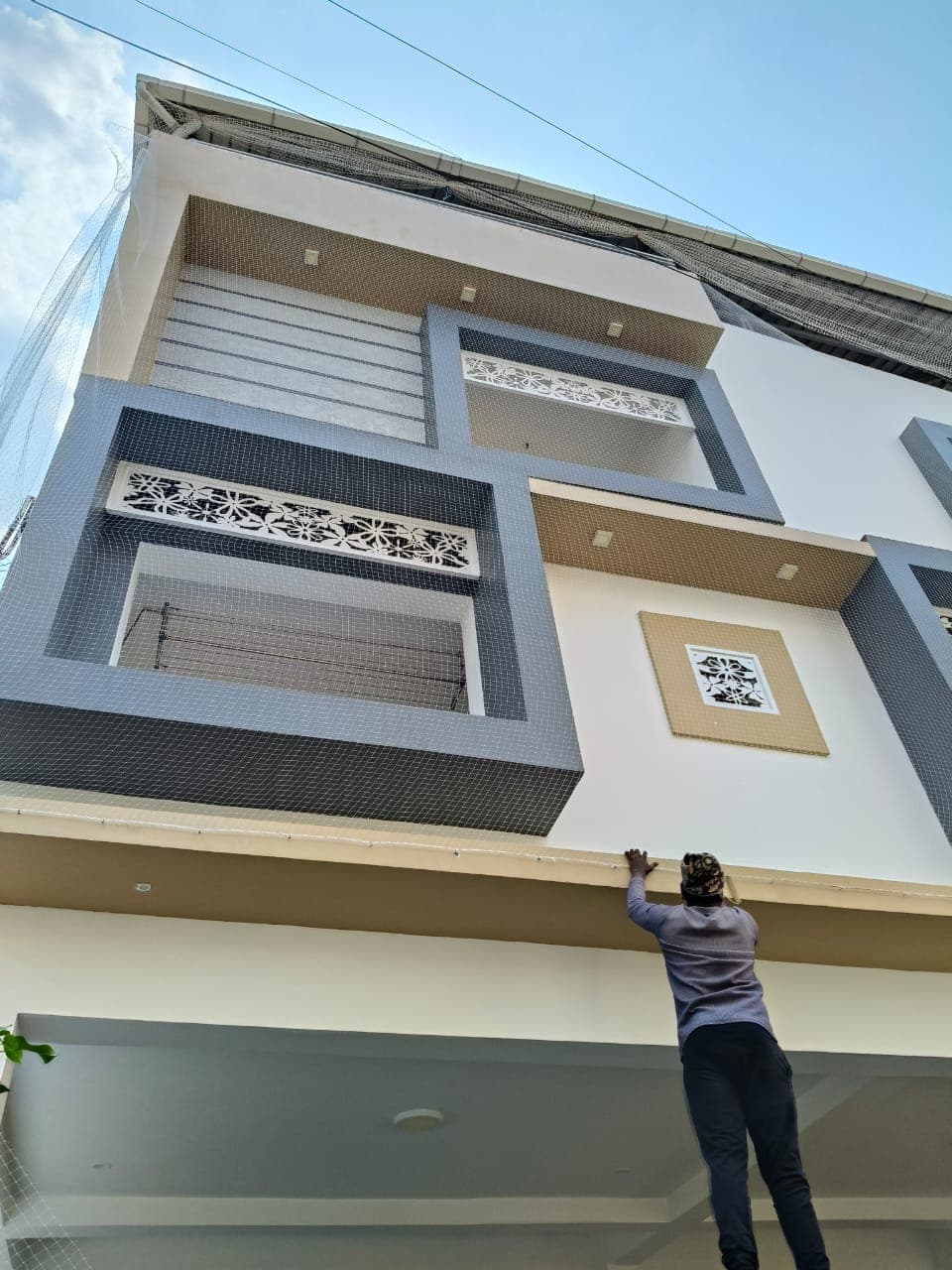
Facade and scaffold sheeting that contains debris, dust and tools during construction, repair and painting work.
Popular solutions
From invisible grills to safety nets, bird protection and cloth hangers — compare the right fit, then book a free survey.
Custom-fitted invisible grills for apartment and villa balconies.
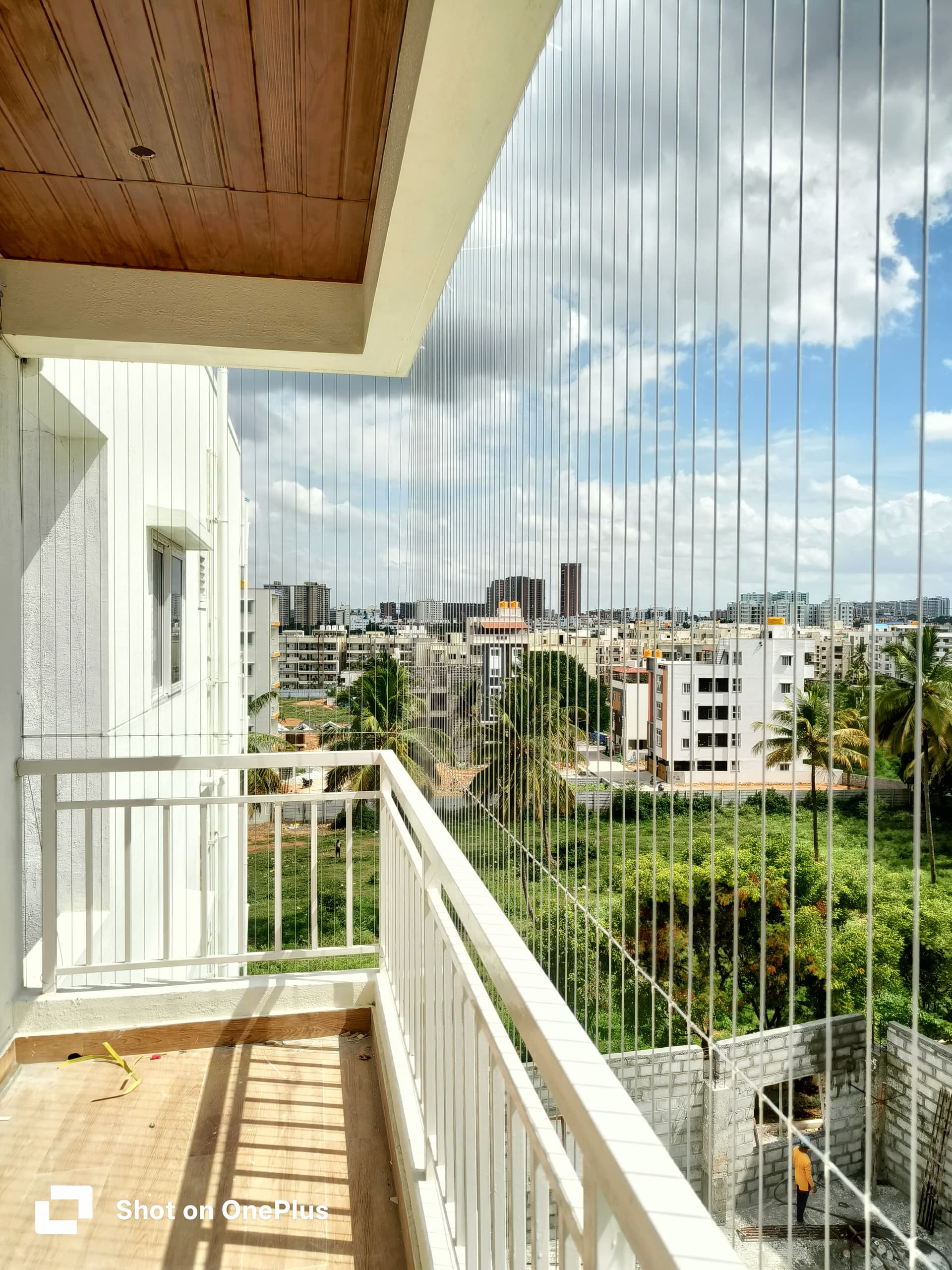
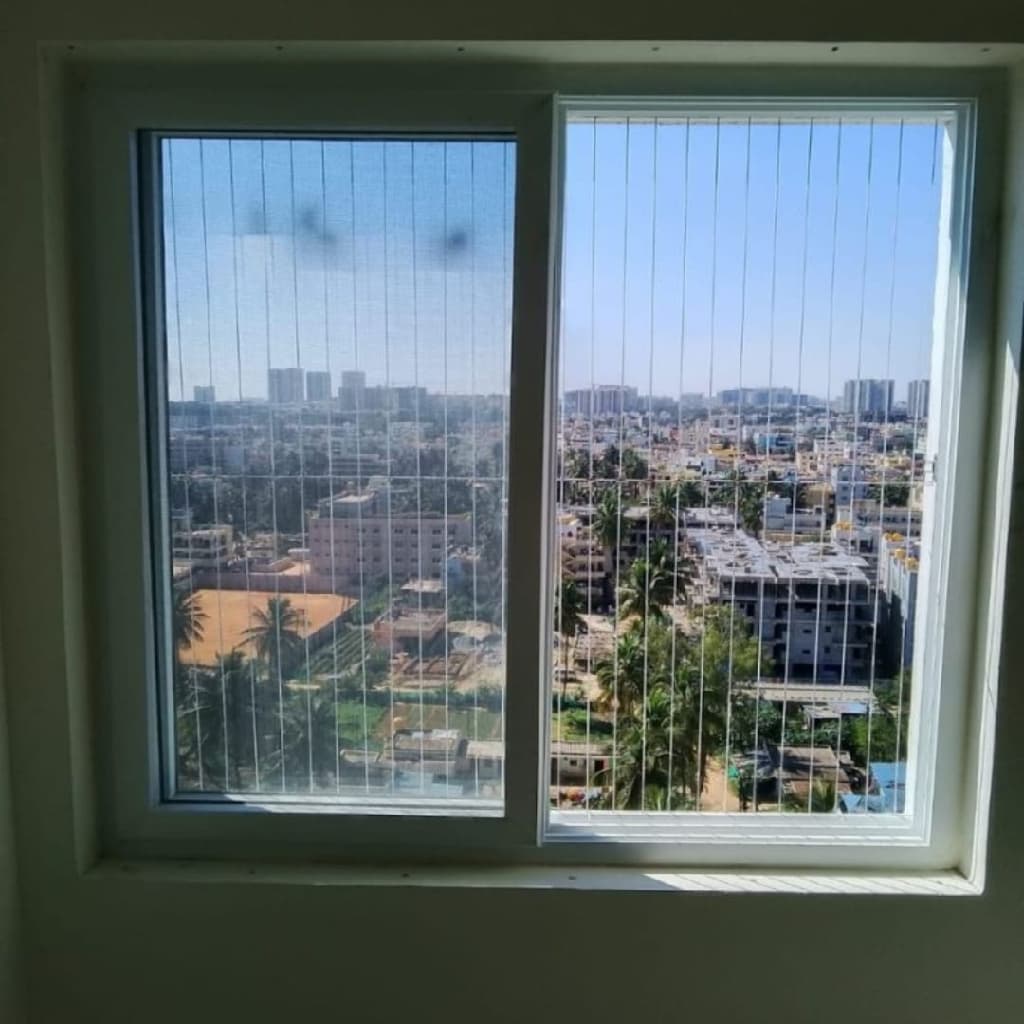
Slim, light-friendly invisible grills for windows without heavy framing.
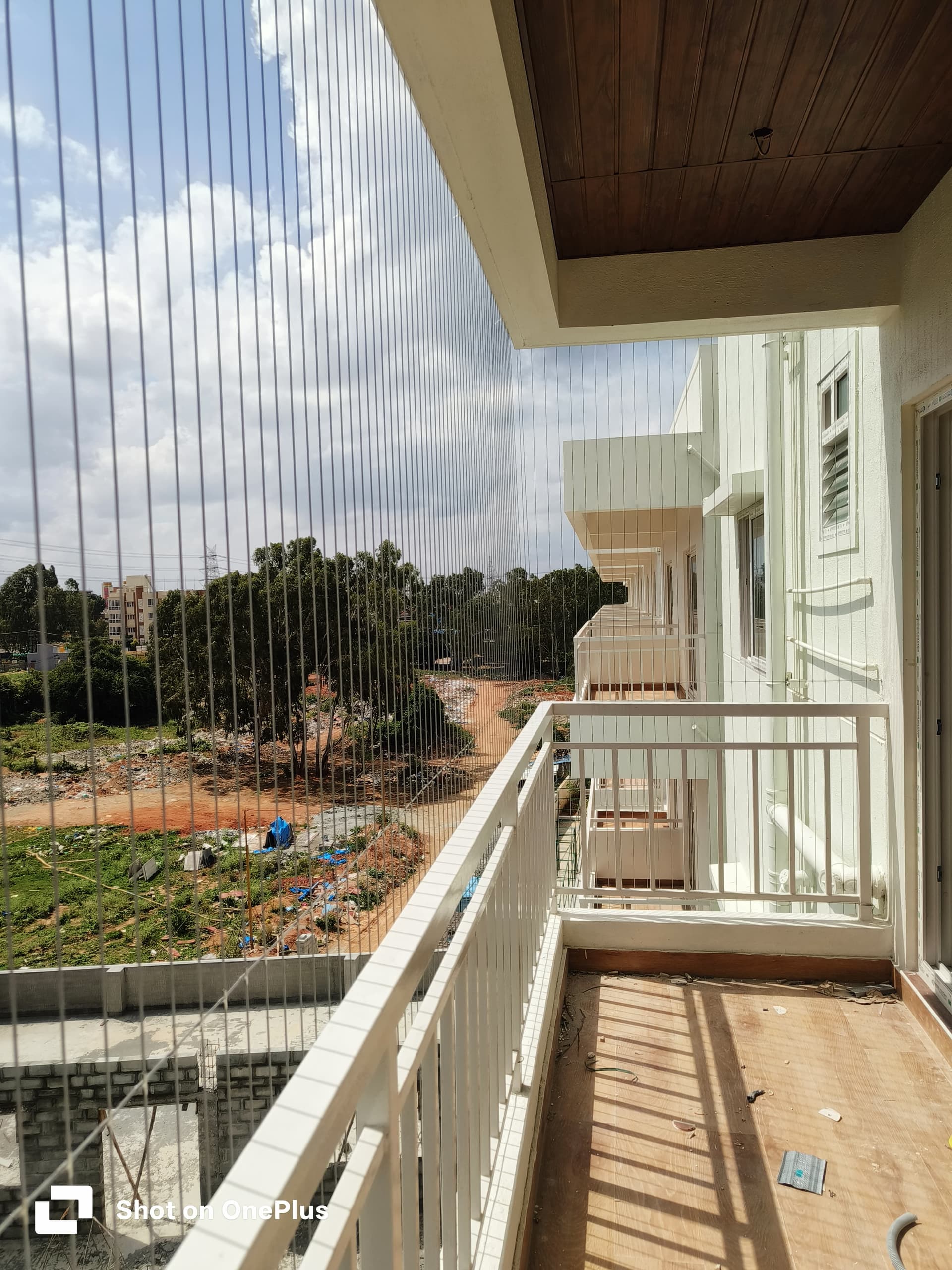
Tensioned stainless steel cable barriers that secure balconies and windows without blocking light, airflow or the view.
Child-safe spacing and clean finishing for safety nets on balconies and windows.
Child-safe spacing and clean finishing for safety nets on balconies and windows.
Custom-fitted balcony nets for apartment and villa balconies.
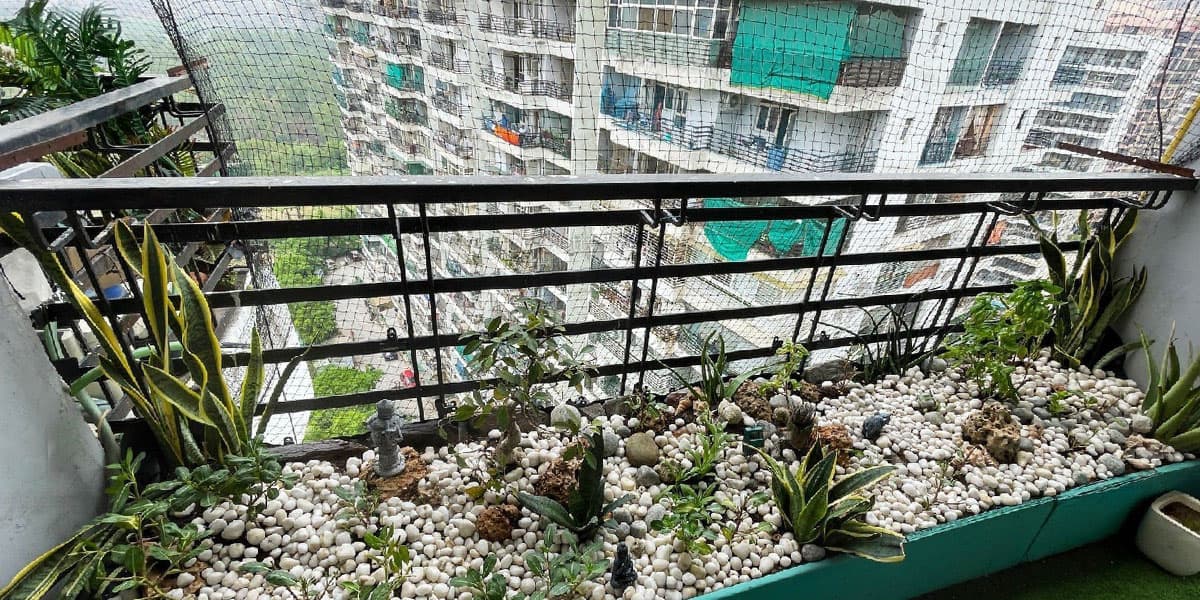
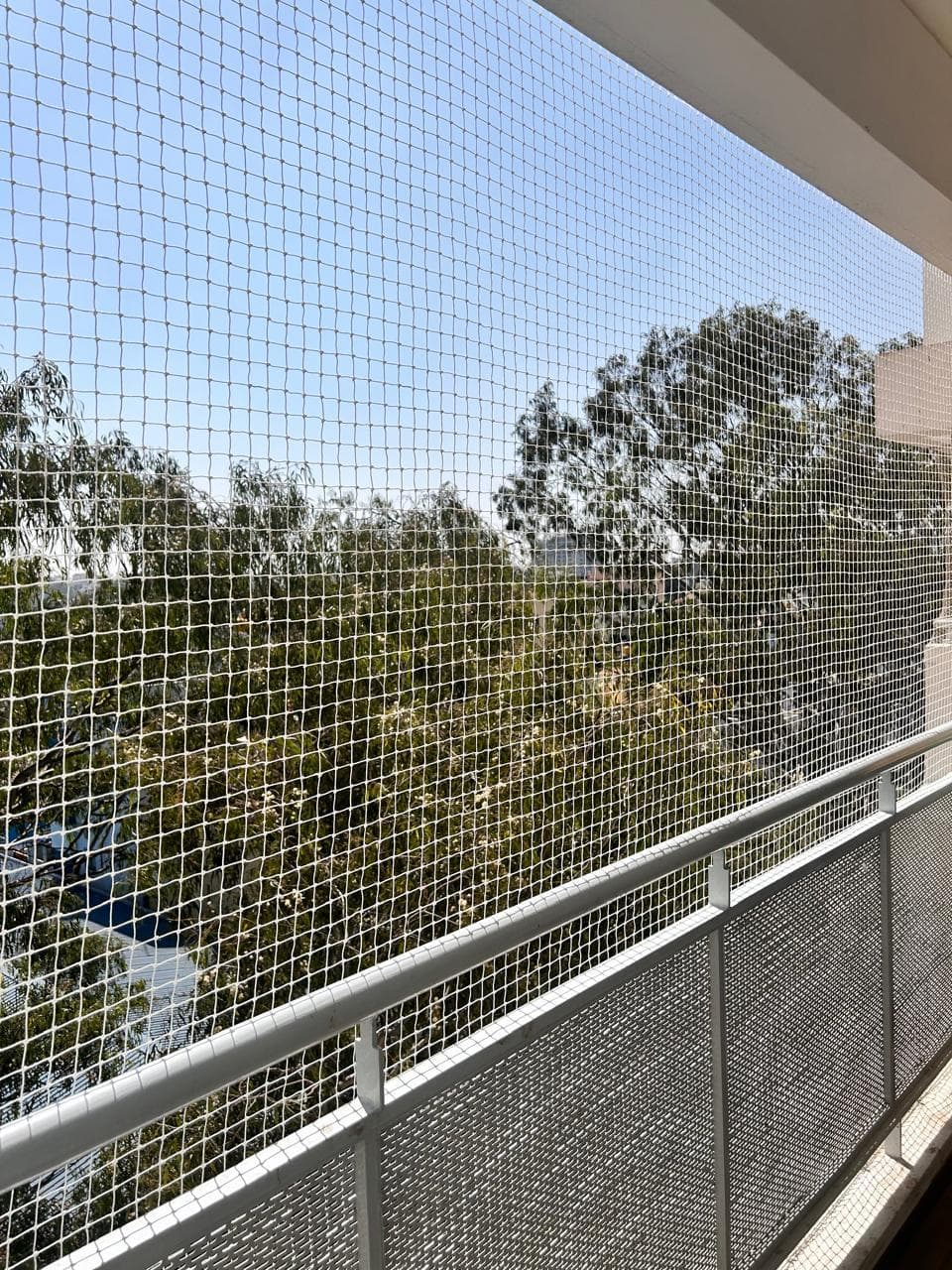
Full-opening bird control that keeps nests off ledges, ducts and railings.
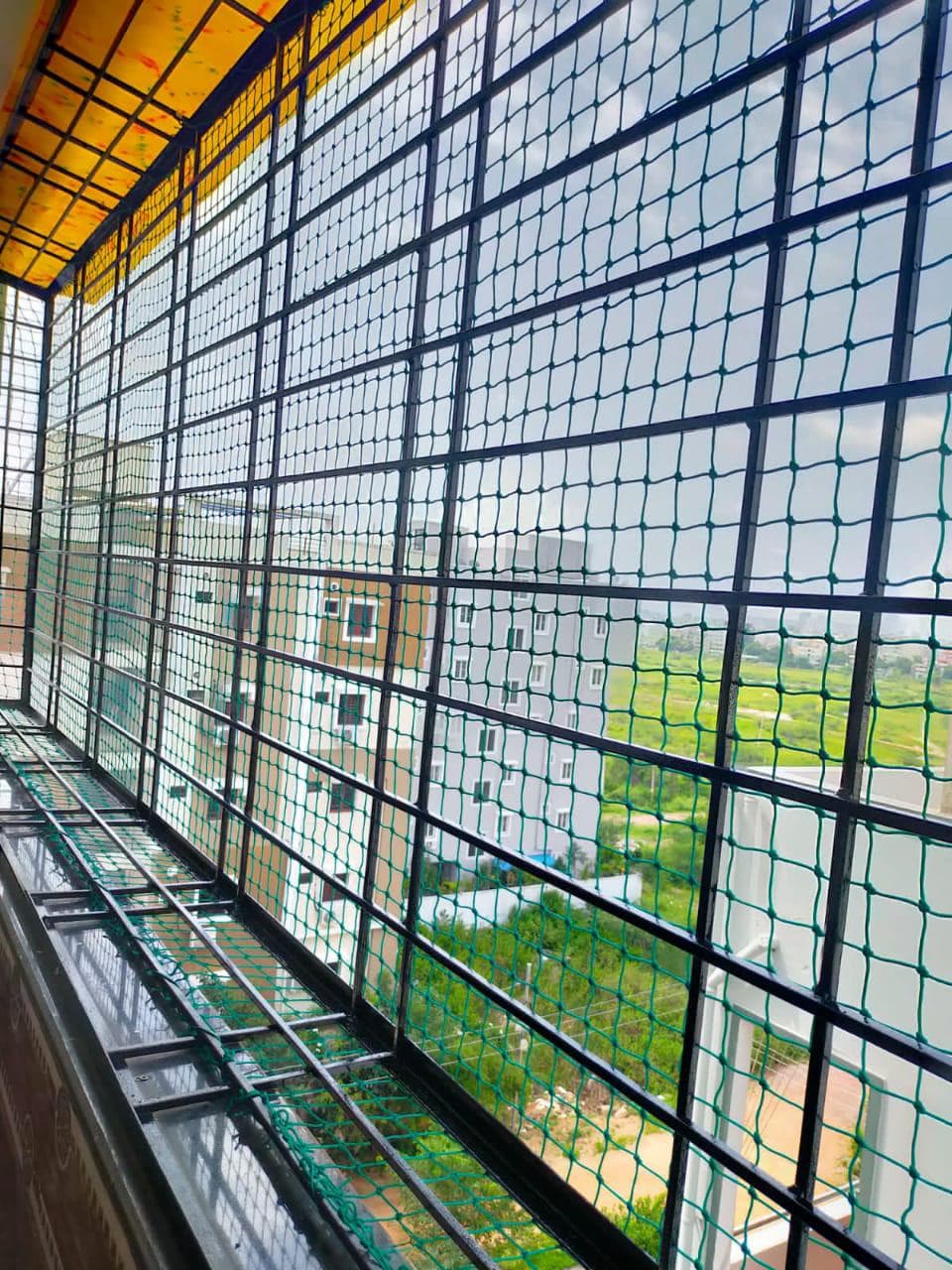
Full-opening bird control that keeps nests off ledges, ducts and railings.
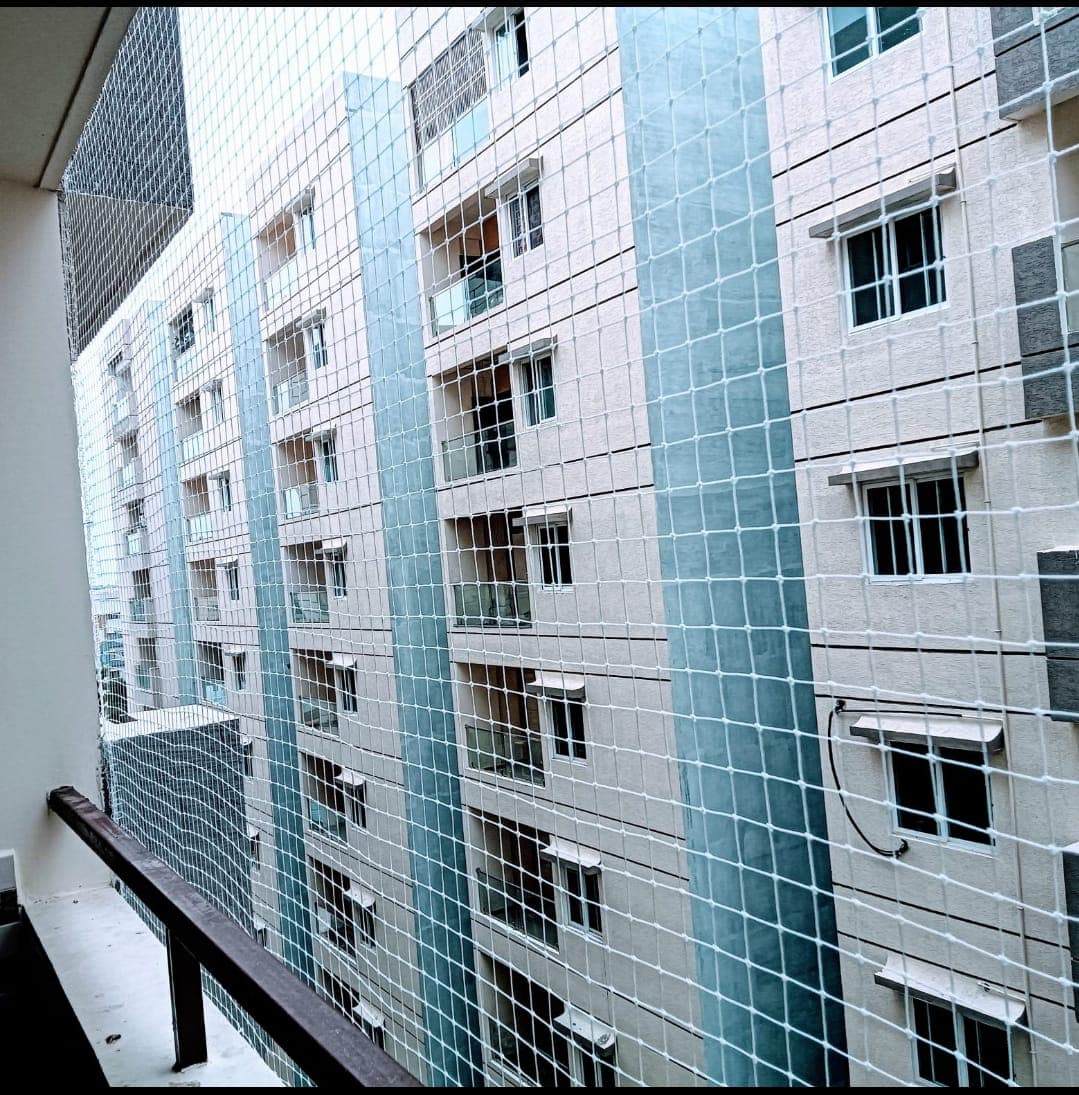
Custom-fitted bird and pigeon nets for apartment and villa balconies.
Most popular
Premium stainless cable systems that protect balconies and windows without blocking your view.
Family favourite
UV-stabilised nets for balconies, terraces and open areas to protect family and property.
Planned around your opening
A balcony, a utility opening and a practice area each need a different approach. We consider how the space is used, where the fitting can be secured and how you will access it afterwards.
Materials chosen for the intended use
Cable grade, mesh denier, and hardware are named for the job — view, children, birds, or sports — not a generic pack.
A plan for edges, corners and access
Fixing surfaces, returns, and how you will open or clean the space are decided before anyone starts drilling.
Clear fitting scope before work begins
The written quote lists measured openings, included labour, and exclusions so you can compare vendors fairly.
Full directory
Price, balcony, child safety, and installation are separate URLs with their own copy. From each hub, open any state and city for local specification pages.
Pick by the opening and the outcome — then confirm grade and spacing on survey.
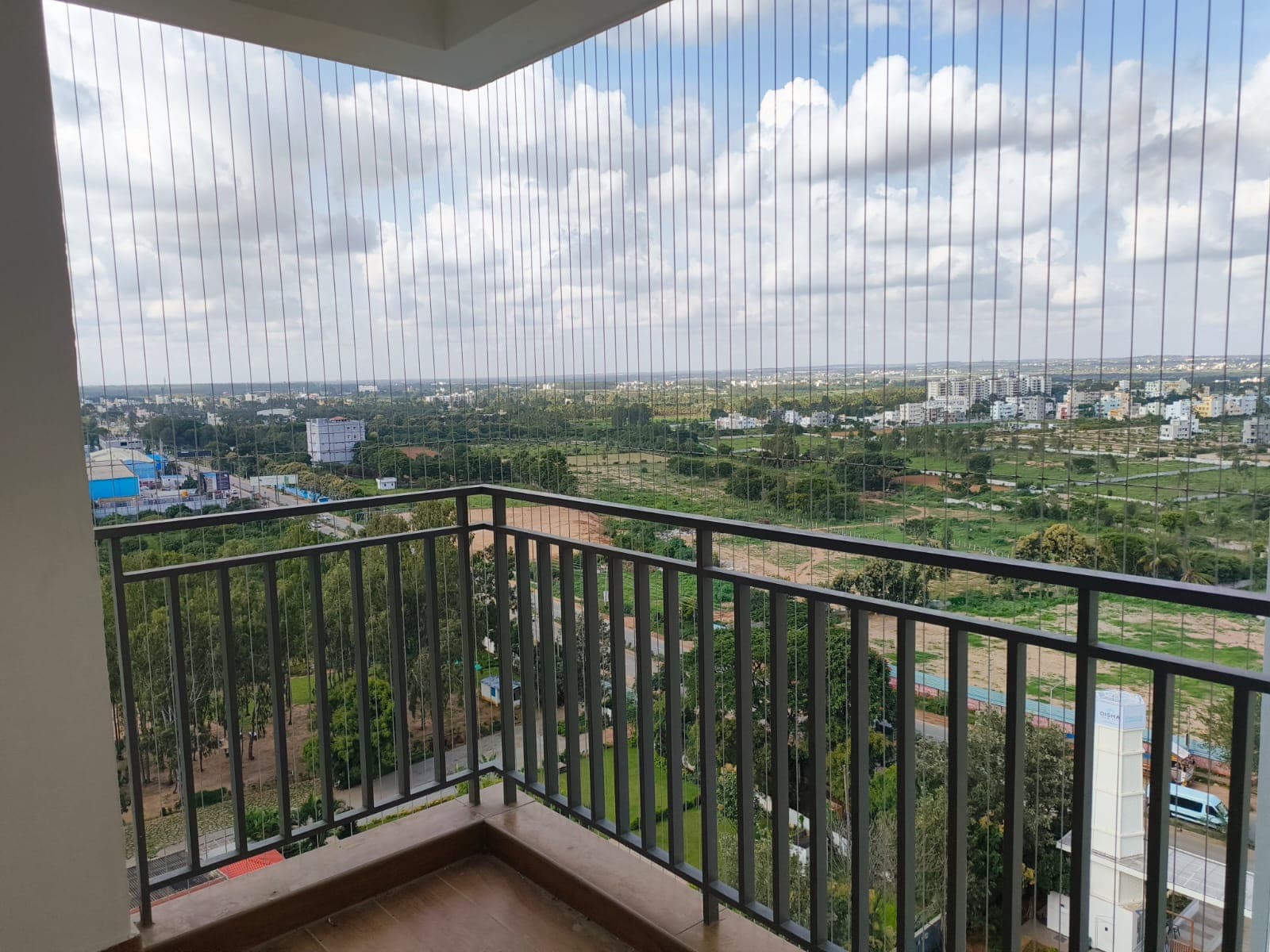
Balconies and windows where the view matters most
Slim vertical stainless cables in a powder-coated frame
Fall or bird control with lower visual weight than standard mesh
Low-visibility strands in a square pattern
Everyday fall-risk openings and denser rail coverage
Visible mesh with a bordered perimeter rope
Balconies, ducts, shafts, and ledges where birds return
Fine full-opening mesh around entry points
Homes near trees, hills, or open plots with animal pressure
Heavier denier mesh with reinforced corners
Terraces, turf grounds, and practice lanes
Heavy braided panels on galvanised posts with impact zones
Utility areas and balconies without floor space for drying
Pulley rails or retractable lines fixed to slab or wall
Ask for mesh or cable size, anchor method, included installation, minimum job charge, and warranty terms before confirming any price. Open the full compare hub.
Survey and fixing habits built from years of real openings — not a product brochure alone.
AP, Telangana, Karnataka, Tamil Nadu, Kerala, Maharashtra, Odisha, and Goa with city-level pages.
View, children, birds, monkeys, sports, or laundry — we route you to the right system first.
Cable grade, mesh polymer, and hardware are written down — not left as generic “stainless”.
Itemised quotes after measurement so grade, spacing, access, and warranty stay comparable.
Thousands of area pages explain building stock and climate — not one recycled city blurb.
Child-safe and pet-safe spacing designed around how you actually use the balcony.
Re-tension and maintenance guidance when materials and access allow a return visit.
01
Send a clear photo, your city, and whether the priority is children, pets, birds, visibility, or sports use.
02
We confirm dimensions, fixing surfaces, access, and how the space is used day to day.
03
Review material grade, spacing, included installation, warranty terms, and the price unit in writing.
04
Fit the chosen system, check edges and tension, and walk through basic care before handover.
Browse local services and neighbourhoods, then share your address to confirm availability for your installation.
Large gated developments in Gachibowli, Kondapur and the Financial District generally require written association approval and restrict drilling to mid-morning and afternoon windows.
A good deal of the older housing stock uses load-bearing masonry rather than a concrete frame, so anchor selection follows a wall inspection rather than a standard detail.
Newer apartment blocks frequently have narrow utility balconies where drying-rack rail length has to be planned carefully to keep garments clear of the wall.
Very high summer temperatures make early-morning working the practical choice for exposed terrace and parapet installations.
Proximity to the Godavari basin brings a longer humid spell than elsewhere in Telangana, so nets are specified to shed water and are inspected after the monsoon.
Most large apartment complexes require written approval from the owners' association before any external fixing, and restrict drilling to specified hours on weekdays.
Heritage and conservation guidelines apply around parts of the older city, so external fixings on those properties are agreed in advance.
Extremely high monsoon rainfall makes drainage detailing at frame terminations the single most important workmanship item on any coastal job here.
Strong seasonal dust means cable runs and pulley mechanisms are specified for easy cleaning, with washing built into the annual check.
A long wet season makes post-monsoon re-tensioning worthwhile on both cable and net installations rather than waiting a full year.
The north-east monsoon arrives late, between October and December, so inspection visits here are scheduled for January rather than September.
Industrial premises usually need work planned around operating shifts, with netting panels arranged so plant access is not obstructed.
Very high daytime temperatures make early-morning working standard for terrace and parapet installations through the summer months.
Hard summer sun on south and west-facing balconies makes ultraviolet-stabilised netting a requirement rather than an upgrade.
Airborne particulates from industrial activity accelerate surface soiling, so more frequent washing is built into maintenance advice.
Shared and staff accommodation loads drying systems continuously, so rails are specified on shorter spans with upgraded pulleys and a shorter service interval.
Waterfront high-rise balconies combine salt spray with wind pressure at height, so both hardware grade and anchor density are increased on those properties.
Laterite block walls are common in older properties, so anchor type is decided after a wall inspection rather than assumed from a standard detail.
Sustained monsoon rainfall means terminations are detailed to shed water and installations are re-checked once the season ends.
Being set back from the coast allows 304-grade cable on inland properties, though stainless fittings remain standard because of the persistent humidity.
Large townships in Hinjawadi, Kharadi and Wakad have their own approval processes and service-lift booking requirements that affect scheduling.
Housing societies typically restrict external work to defined hours and require approval, and high floors often need permits for any material hoisting.
Newer towers on Ghodbunder Road are notably wind-exposed, so anchor density on upper floors is increased over the standard detail.
Planned sector layouts make access and material handling easier, which usually shortens installation time compared with equivalent work in Mumbai.
Industrial premises here are typically quoted with phased working so that plant operations continue during facade containment.
Extreme summer temperatures make thermal expansion allowance in long aluminium frame runs a real design consideration rather than a formality.
Work in Aurangabad is sequenced around access near Aurangabad, local society permissions, and salt and monsoon exposure on exposed elevations.
Sea-facing flats along the Beach Road corridor take direct salt spray, so terminations are sealed and a shorter inspection interval is recommended than for inland parts of the city.
Krishna delta humidity keeps balconies damp for long spells, so drying systems are sized for a load that stays wet longer than in drier inland cities.
Older parts of the city have narrow streets that limit vehicle access, which affects how long fabricated frames take to bring to the working floor.
Hospitality and institutional buildings here often need work scheduled around continuous occupancy, so phased installation is the norm rather than the exception.
Cyclone exposure makes anchor density and post-storm inspection the two most important parts of any specification in this city.
Coastal proximity means galvanised fittings are avoided entirely, with stainless used even on interior drying systems in sea-facing properties.
Cyclone exposure makes anchor density and a documented post-storm inspection standard parts of every specification here.
Narrow lanes in the old city limit vehicle access, so frame sections are fabricated to sizes that can be carried by hand to the working floor.
Coastal proximity makes stainless fittings the default, and the low-rise stock means most installations need no access equipment.
Plant work is scheduled around shutdown windows, and netting layouts are designed so panels can be opened for routine plant maintenance.
Work in Sambalpur is sequenced around access near Sambalpur, local society permissions, and salt and monsoon exposure on exposed elevations.
Heritage precinct rules restrict visible external fixings on some properties, so proposals there are agreed with the owner and authority in advance.
Villa and hospitality clients here weight appearance heavily, so terminations are detailed to be concealed and stain-free.
Clean finishing and premium materials on every project — real site photography across balconies, windows, ducts and terraces.
Guides covering pricing, materials, installation and safety — useful whether or not you buy from us.
28 min read
We do not publish a rate per square foot, because a single number would mislead you. Here is what actually drives cost instead.
8 min read
Most installations fail at the hardware, not the cable or the net. This is how to choose all three so they last together.
28 min read
Knowing what happens and when makes it far easier to spot a job being done badly. Here is the whole sequence.
8 min read
A barrier that is strong but has one wide gap has failed at the only job it had. This is how to judge one properly.
55 min read
Both close an open balcony and they suit different priorities. Here is how to decide without a salesman in the room.
28 min read
Most of this you can do yourself in ten minutes a year. Knowing what to look for is the whole skill.
28 min read
Start here when something looks wrong, or when you need a straight answer before booking a survey.
Each state page explains climate and building stock; city and locality pages carry unique specification guidance.
For anything structural we do, yes. We can give an indicative range over the phone from your balcony dimensions, but the final price depends on the condition of the wall or slab we are fixing into, the access route for materials, and the exact spacing you need. A survey takes about twenty minutes and means the quotation we give you is the price you pay.
A cloth hanger is usually done in an hour or two. A single balcony safety net takes two to six hours, and an invisible grill on one or two bays takes most of a working day. Larger jobs such as sports enclosures or building covering run to several days because foundations and scaffold have to be dealt with first.
In most gated communities and housing societies, yes, because anything fixed to an external wall or balcony counts as a facade alteration. We can supply the drawings and material specification you need to submit. It is worth starting that process early, since approval usually takes longer than the installation itself.
Warranty depends on the product, and the figure for each one is stated on its service page rather than promised generically here. In every case the warranty covers materials and workmanship on what we installed, and it assumes the yearly inspection is carried out. We will always tell you what is and is not covered before you commit.
Almost always because the specifications are different, even when the dimensions are identical. Cable grade, cable spacing, net polymer and the type of anchor used all change the cost substantially and none of them are visible in a photograph. When comparing quotations, check the stated grade and spacing rather than the total alone.
We deliberately do not, because a single rate would be misleading. The same area costs very different amounts depending on the grade of hardware, the spacing you need, the height you are working at and the condition of the substrate. Our pricing guide sets out every factor that moves the number so you can see how a quotation is built up.
Sometimes. Moving from 316 to 304 stainless is a genuine saving and perfectly sound at an inland address, and a coarser mesh is fine if you only need to keep birds out. What we will not do is reduce cable spacing tolerance or anchor quality, because those are the two things that decide whether the installation actually holds.
Send a photo of the opening and your city. We reply on WhatsApp or call you back with the right system and what should appear on a written quotation.
Free survey
We measure every bay, check what we are fixing into, and quote the grade and spacing in writing. No rate per square foot, because it would be wrong for most properties.