
Cornerstone guide
Safety: gap control, load ratings and honest limitations
A barrier that is strong but has one wide gap has failed at the only job it had. This is how to judge one properly.
- A fit for your opening — measurements, edges and fixing points
- Options for everyday living — view, access and purpose
- Find your local team — city and neighbourhood pages
8 min read · Published · Updated

- Photo estimate on WhatsApp
- Written quotation after survey
- Named material grades
- Eight-state coverage
Gap control matters more than strength
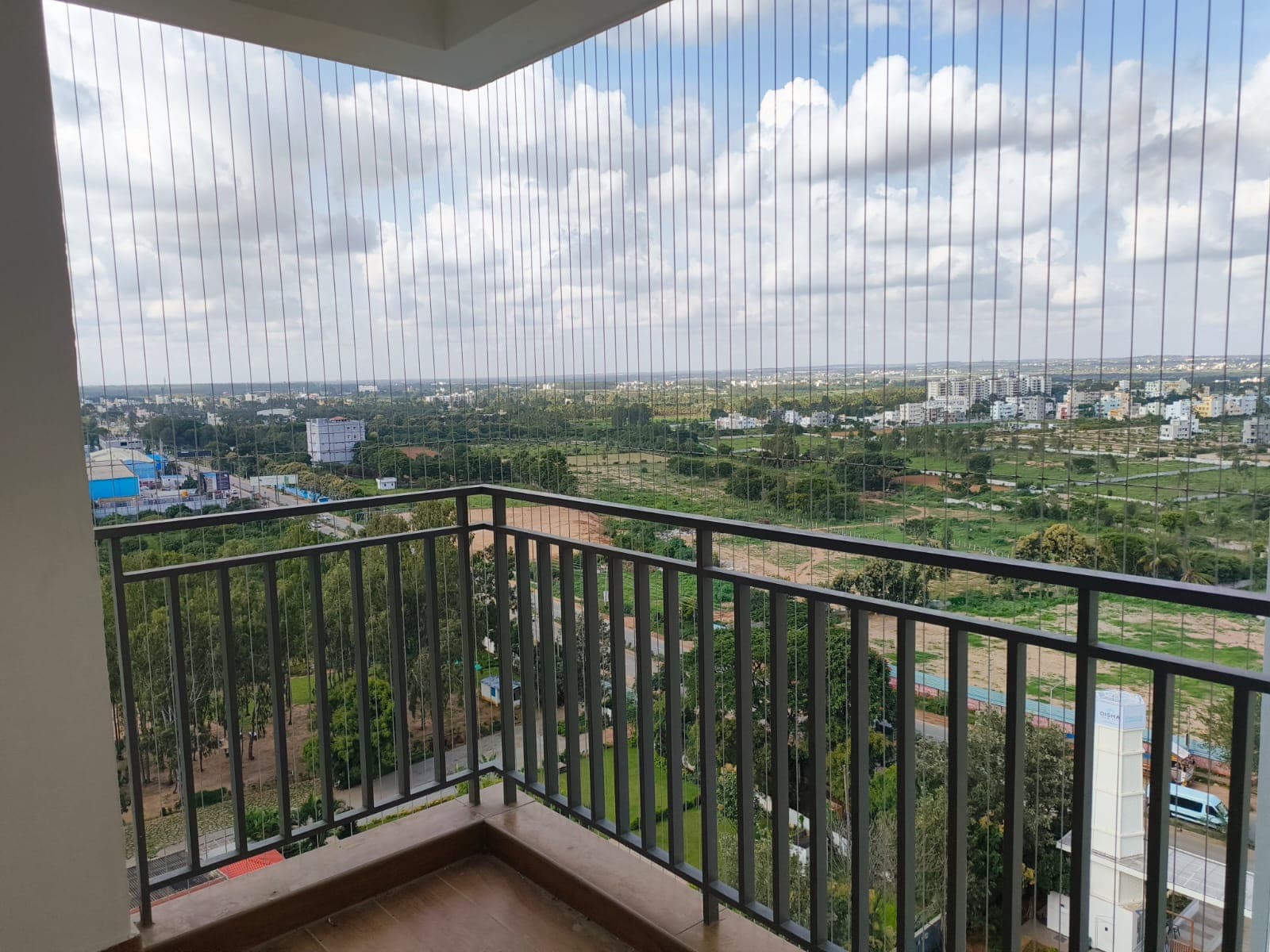
The most common misunderstanding about balcony barriers is that strength is the main measure. It is not. A barrier only has to fail at one point to fail completely, and in practice that point is a gap rather than a broken cable. Guidance on protective barriers, including the National Building Code of India, is framed around infill gaps and effective height precisely because that is what determines whether a small child can get through.
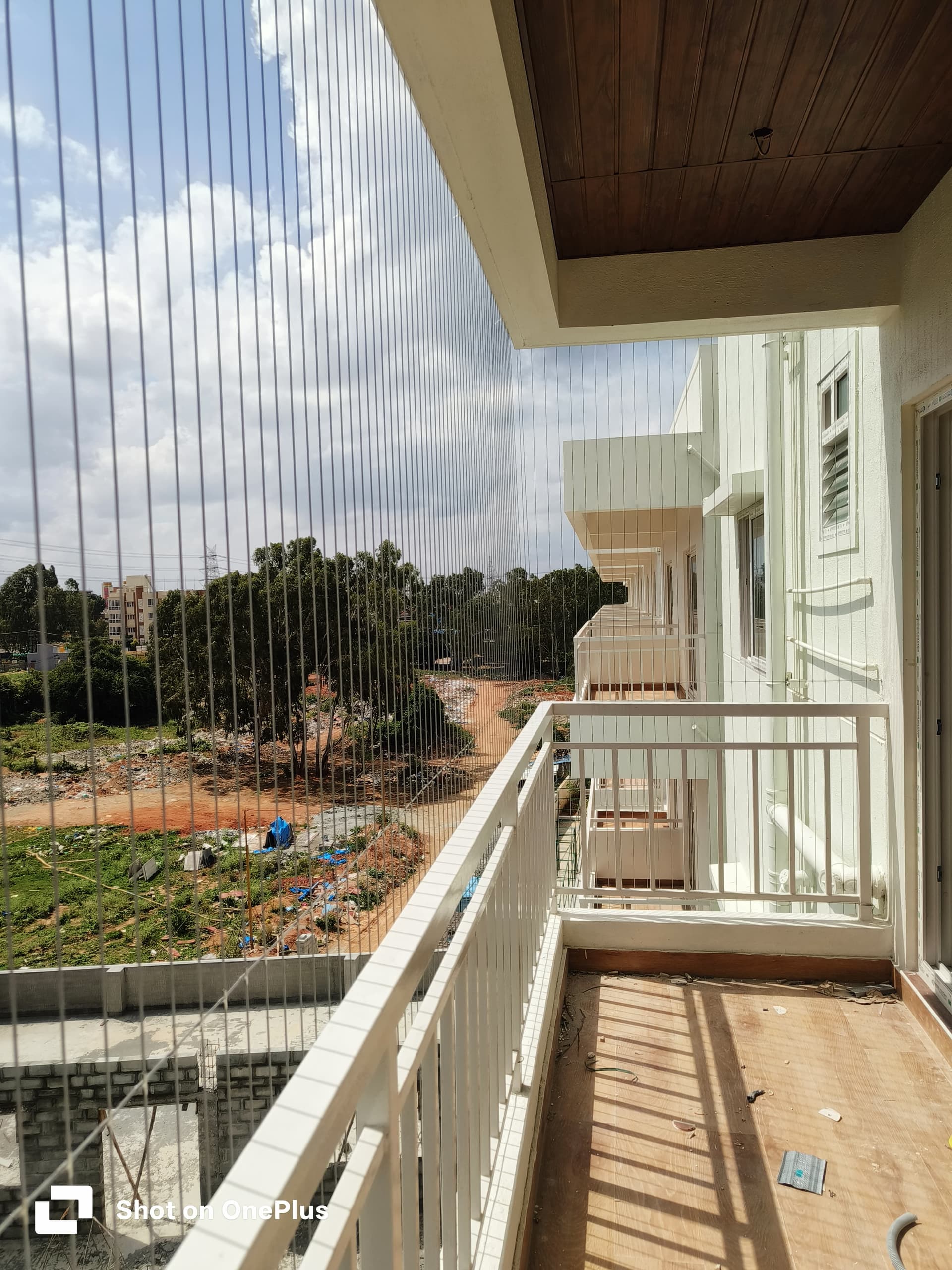
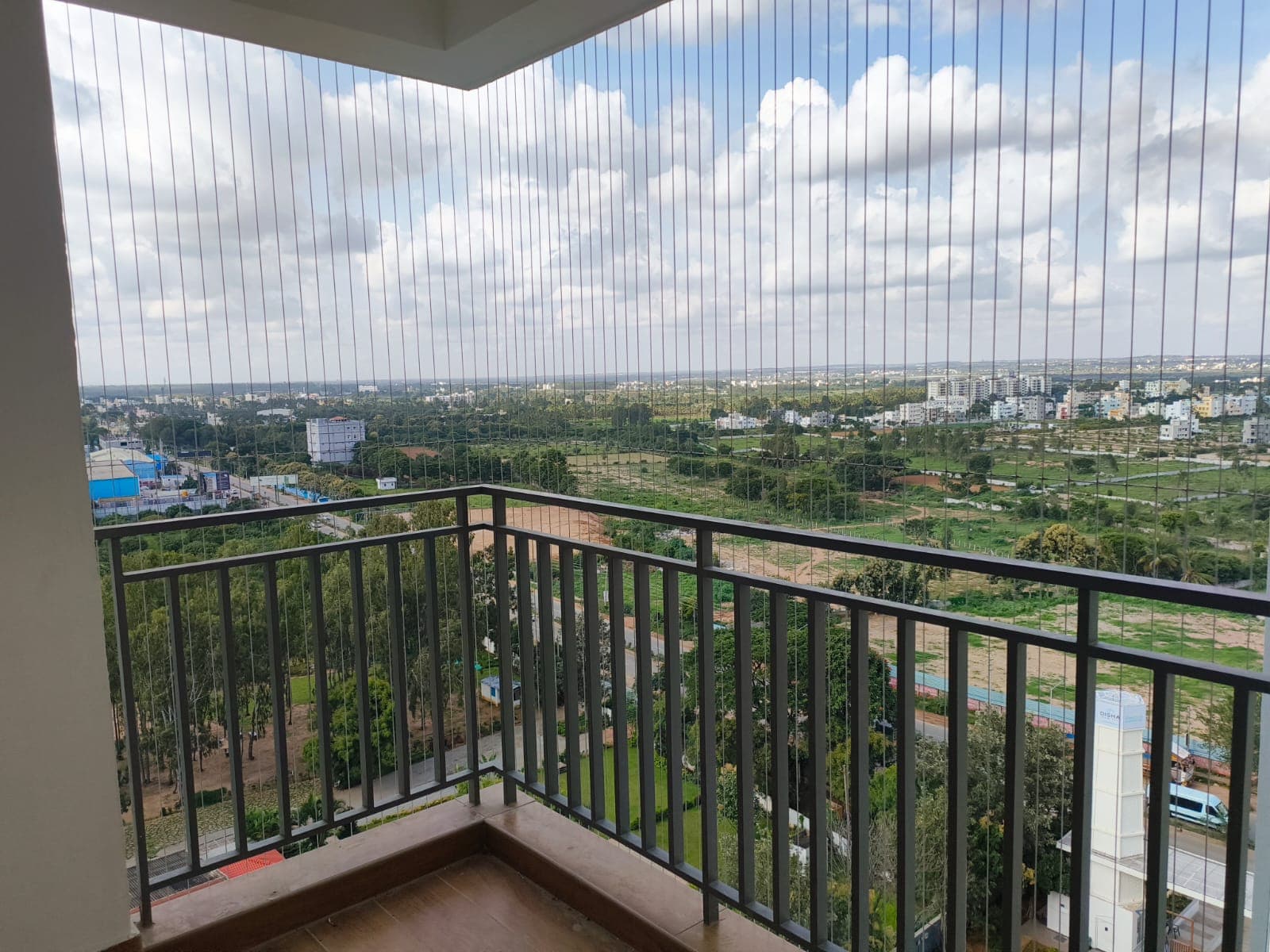
Vertical cables are preferable to horizontal ones for the same reason. Horizontal runs form a ladder that a determined toddler will climb, which converts a barrier into an aid. We gauge the gap at several heights on every bay at handover rather than assuming the fabrication came out to the drawing, because a few millimetres of drift across a wide opening is easy to introduce and easy to miss.
Ask for the spacing in millimetres and ask how it is verified at handover. A specification that only says child safe is not telling you anything.
Exclusion netting and fall-arrest netting are different products
A light bird-exclusion mesh and a rated fall-arrest net can look almost identical once fitted, and they are not remotely the same thing. Exclusion mesh is designed to deny a pigeon a perch. It will not arrest a falling person or a heavy dropped object, and it is not anchored to do so. Rated netting is specified against performance criteria of the kind set out in EN 1263-1, in a heavier polymer, on anchorage designed for arrest loads.
This distinction is where we most often find money has been saved without the client knowing. If there is a genuine fall risk, the correct product costs several times more per square metre, and installing the cheaper one is worse than installing nothing because it creates confidence that is not warranted.
The anchor is almost always the weakest element
In the failures we are called to inspect, the cable and the netting are typically intact. What has moved is the fixing, pulled out of concrete that was weaker than assumed, spalled because the anchor was set too close to a slab edge, or corroded because a galvanised fitting was used in a damp location. This is why substrate assessment is not an optional survey formality.
It is also why height changes the specification. Above roughly the tenth floor, wind pressure rather than impact governs the design, and a fixing pattern that is entirely adequate on the third floor can be marginal on the twentieth. Increasing anchor density and setting fixings back from edges costs very little and addresses the actual failure mode.
- Substrate condition assessed before an anchor method is chosen
- Fixings set back from slab and parapet edges to avoid spalling
- Anchor density increased with height to account for wind pressure
- Hardware grade matched to the cable so no galvanic cell is created
What these systems do not do
We think it is worth being direct about limits. A cable barrier substantially reduces the risk of a fall from a balcony, and no barrier removes the need to supervise a young child. Netting contains dropped objects but is one layer of protection rather than a licence to be careless at height. Facade sheeting keeps debris on site and does not replace good housekeeping on a scaffold.
Every one of these installations also has a service life and depends on being inspected. A net whose twine has become stiff and chalky has reached the end of its useful life whatever its age, and a cable that has gone slack has a wider gap under load than the day it was fitted. An annual check takes a few minutes and is the difference between a barrier that works and one that merely looks like it does.
Fall protection versus demarcation — safety guide depth
Demarcation nets signal edges for adults; fall protection for children requires tighter aperture and tested anchorage philosophy. Buying the wrong category saves money until the first incident question — match product class to user and height.
Sports and bird nets are third categories — do not inherit fall-protection inspection duties without rated hardware.
Anchor pull-out modes and what owners can spot
Pull-out starts as hairline plaster cracks radiating from screws, washer tilt, or increasing squeak under hand load. Owners should not load-test anchors aggressively — report symptoms and let technicians measure residual capacity.
Multiple anchors failing together suggests systematic substrate weakness, not one bad screw.
Load paths when adults lean on cables
Adult lean loads exceed child contact loads — spacing for toddlers is not automatically sufficient for adult maintenance habits. Tell surveyors if adults routinely lean while drying clothes or chatting — duty may justify denser spacing or signage.
Signage helps but does not replace geometry when lean paths are habitual.
What safety systems cannot promise
No balcony barrier replaces supervision for very young children or replaces fixing climb furniture. Systems resist defined loads and gaps — they do not stop all misuse or all wildlife behaviour.
Honest safety planning combines hardware, behaviour, furniture layout, and maintenance logs — not product names alone.
- Match product class to hazard: fall, bird, sport, debris
- Keep grade and fastener family consistent
- Inspect after storms before assuming all is well
Supervision, furniture, and the limits of barrier physics
Barriers reduce risk from defined gaps and loads; they do not replace adult supervision for toddlers or remove need to fix climb furniture. Safety planning should list supervision rules alongside hardware specs — committees that mandate hardware without behaviour plans see repeated incidents.
Move furniture after install if it recreates climb paths — hardware cannot guess your layout six months later.
Height and consequence: low parapet versus high slab edge
Low parapets increase fall consequence even when spacing is tight — some households choose denser spacing or supplemental demarcation on low rails. Survey should record parapet height relative to finished floor, not slab edge alone.
Combining products without creating new climb routes
Layering nets outside cables can create pockets if stand-offs are wrong — combined systems need designed stand-off, not ad hoc stacking during promo bundles.
Emergency behaviour: keep people away and call for securing
If a failure opens a climbable gap or a cable has parted, keep occupants away from the opening and request emergency securing before cosmetic repair debates. Temporary securing is not a substitute for permanent spec compliance but buys time without exposure.
- Hardware plus supervision plus furniture planning
- Record parapet height at finished floor
- Designed stand-offs for layered systems
- Secure first, argue scope second
Safety guide closing: duties after handover
Monthly visual duty, storm walks, professional intervals, furniture discipline, and no unauthorized hooks — safety continues after install. Handover gauges are day zero; behaviour and logs are day one through year ten.
Explaining safety scope to grandparents and help staff
Translate spacing goals into plain language for everyone using the balcony — hardware fails culturally when help staff use rails as drying anchors daily against design assumptions. Short printed pictorial guides on utility doors beat assuming everyone read the long safety guide.
Extended safety philosophy for balconies, ducts, terraces, and sports areas
Fall protection targets defined gaps and anchorage for stated users — toddlers, pets, adults leaning during drying — each shifts spacing and duty. Exclusion netting targets birds and debris with aperture and ledge ecology, not toddler head width unless product class says so. Sports netting targets ball flight and pole footing, not fall substitution on balcony faces. Construction covering targets debris paths temporarily with removal dates, not permanent child barriers. Cloth hangers target distributed laundry loads on embeds designed for them, not cable mid-spans abused as hooks. Safety fails when product class, user, and inspection duty misalign — hardware cannot carry a duty the specification never assigned.
Safety capstone toward two thousand words of practical depth
Supervise young children, fix climb furniture, inspect after storms, keep unauthorized modifications off frames, and call for securing when strands part or gaps open. Safety guides end in behaviour plus hardware — neither alone suffices on Indian high-rise balconies in real households.
- Match product class to hazard
- Spacing at reachable heights after furniture
- Inspect after named storms
- Secure openings before cosmetic repair debate
Two-thousand-word safety depth: household rules that complement hardware
No unsupervised toddlers on fall-critical bays, no heavy laundry on cables, no climbing furniture at rails, storm walks after named warnings, professional gauges on schedule, and immediate securing calls when strands part — rules plus hardware beat hardware alone on real Indian balconies. Post rules where help staff and grandparents see them — safety culture is local, not only technical.
Safety depth completion: hardware plus household rules
Safety guide depth near two thousand words fails if household rules are not posted — supervise young children, fix climb furniture, inspect after storms, refuse unauthorized hooks, and call for securing when gaps open or strands part. Hardware without rules lulls; rules without hardware fantasize — Indian high-rise life needs both visibly posted where help staff and grandparents will see them daily.
Safety addendum toward ~2k words: post rules where life happens
Post household rules beside utility door — supervision, storm walks, no hooks, securing calls — approximately two thousand words of safety depth fail if rules live only in guides owners never open during crises. Safety depth is approximate — behaviour plus hardware — post rules today.
Related questions
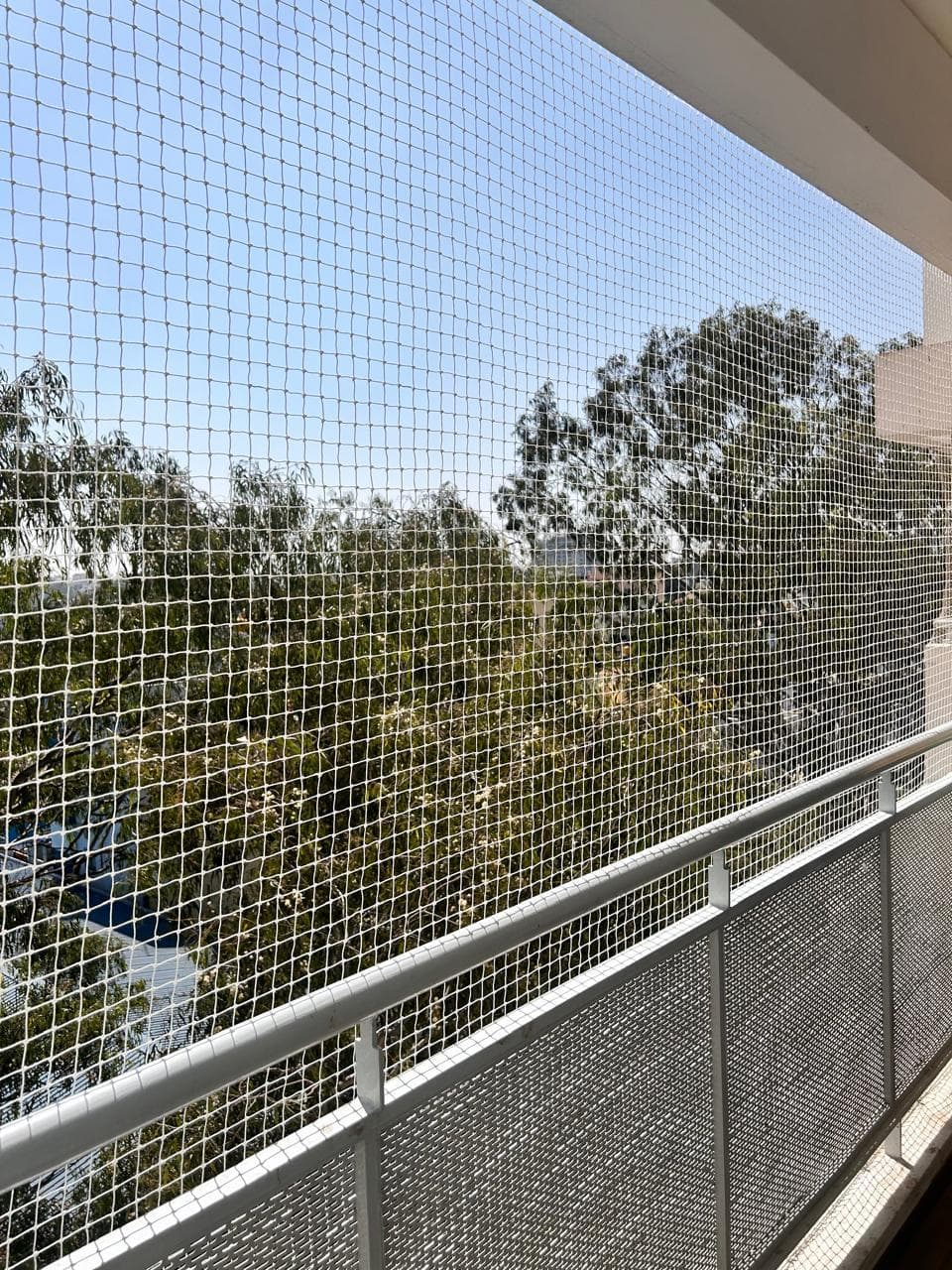
What cable spacing is right for a home with young children?
The spacing has to be tight enough that a child cannot pass a head or limb through, and close enough that the cables cannot be used as a ladder. Vertical cables are better than horizontal ones for exactly that reason. We gauge the gap at several heights on every bay at handover rather than assuming the fabrication came out to specification.
Can one net keep birds out and also stop a fall?
No, and treating them as interchangeable is the most common mistake we are called to correct. A light bird-exclusion mesh will not arrest a person or a heavy object. Where there is a genuine fall risk we specify a rated net with rated anchorage, which is a different product at a different price.
I am on a high floor. Does that change the installation?
Yes, because above roughly the tenth floor wind pressure rather than impact governs the design. We increase the number of fixings, set anchors further back from slab edges to avoid spalling, and keep net panels smaller so no single failure can open a large gap. Material handling also has to be arranged through the service lift.
How often should an installation be checked?
Once a year is right for most installations, and it is largely something you can do yourself: press the cables or net at mid-span to feel for slack, look at the anchor points for rust weeping or hairline cracking, and wash the surfaces down. In coastal and cyclone-exposed locations we recommend an additional check after the wet season.
Services this applies to
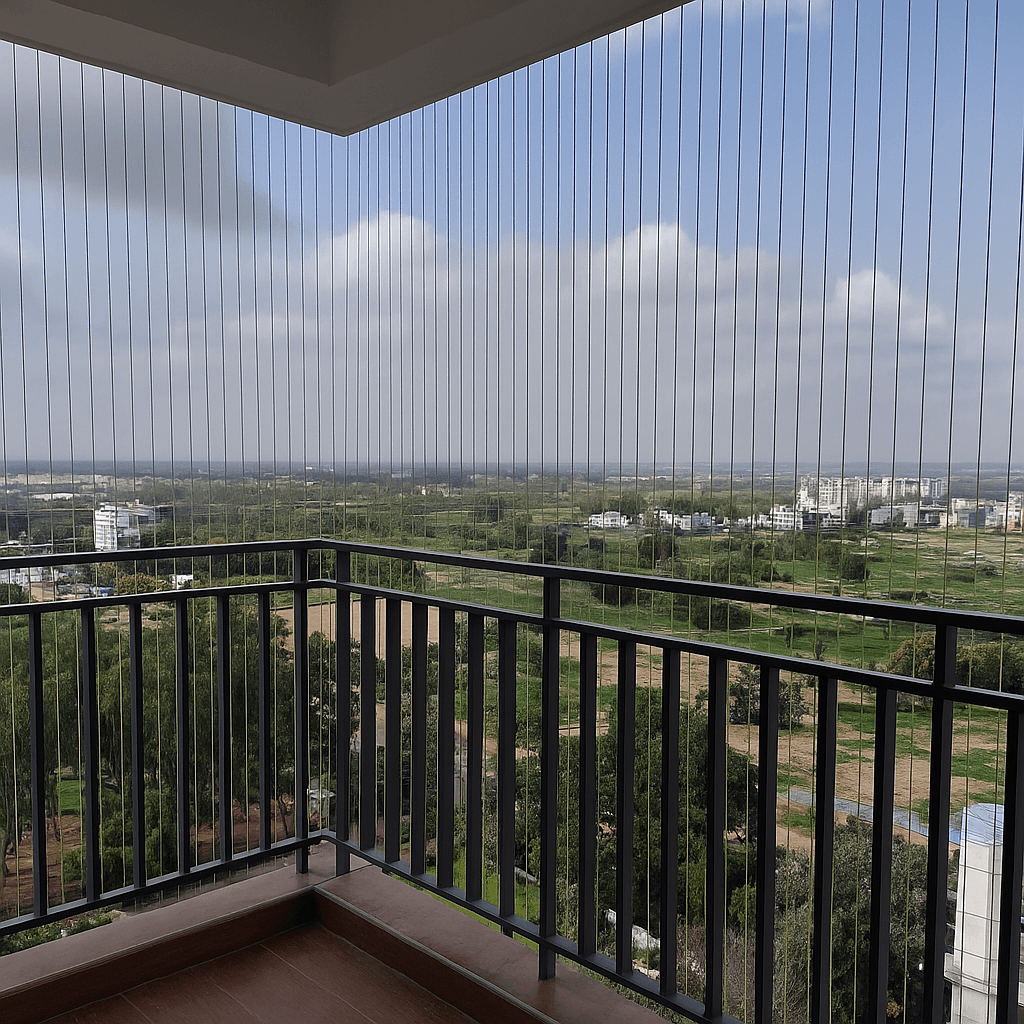
Invisible Grills
Tensioned stainless steel cable barriers that secure balconies and windows without blocking light, airflow or the view.
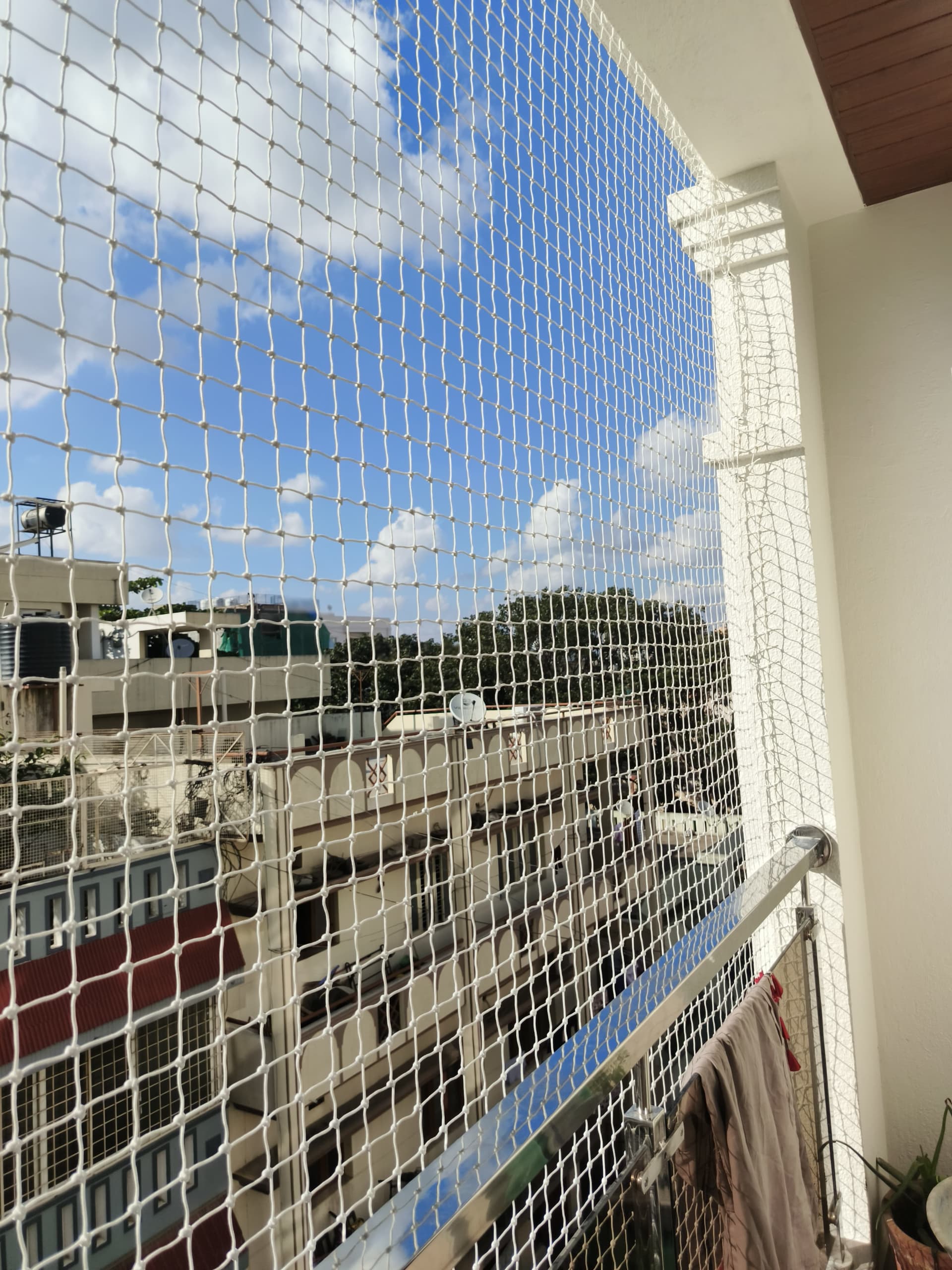
Safety Nets
UV-stabilised knotted nets fitted to balconies, shafts and open edges to catch falling people, objects and birds.
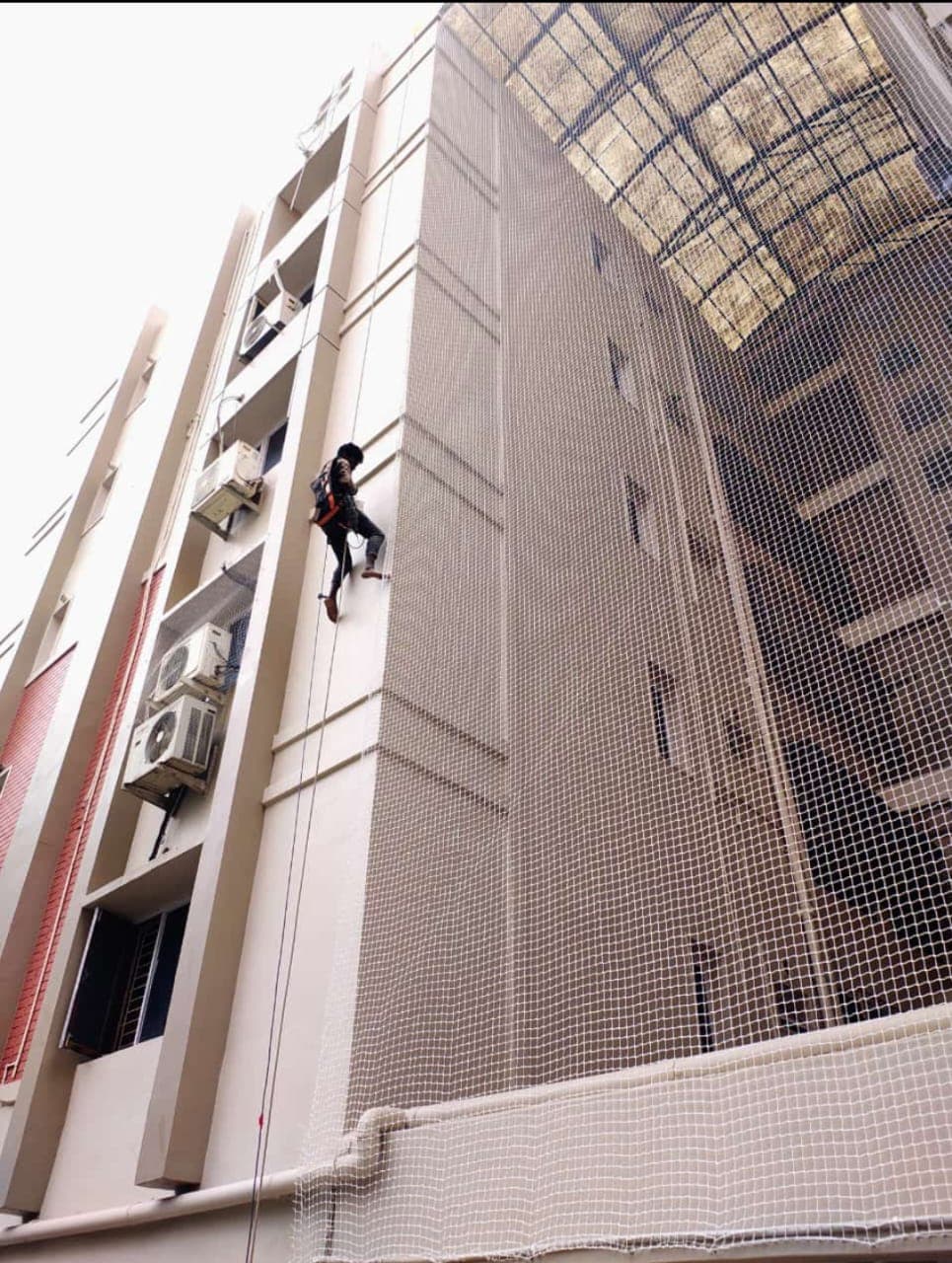
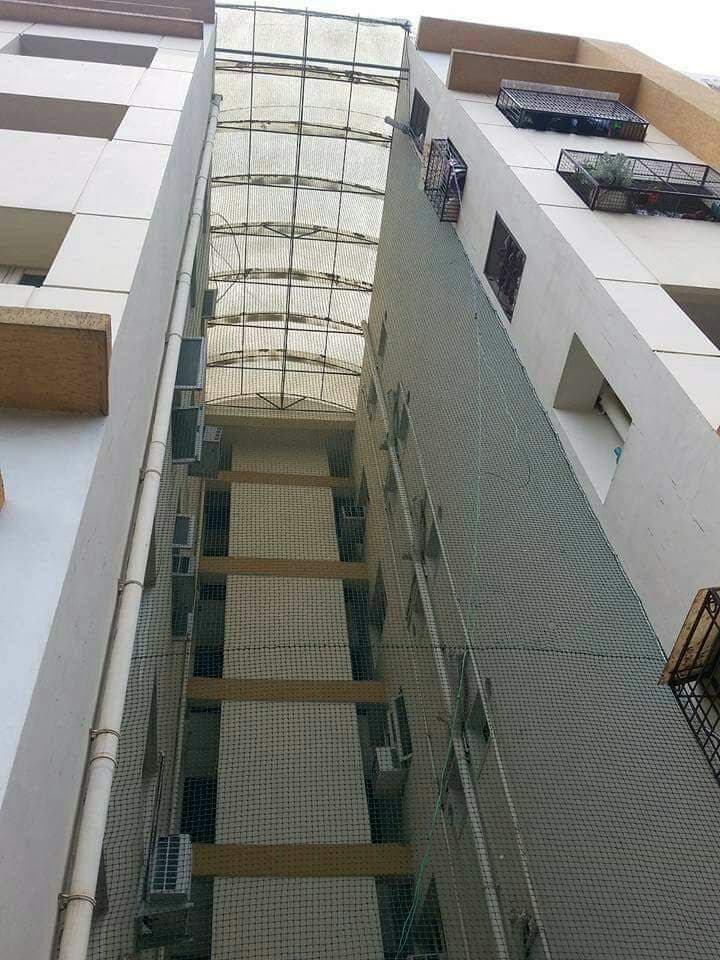
Duct Area Safety Nets
Nets fitted across service shafts and duct openings to stop falling objects, bird nesting and refuse accumulation.
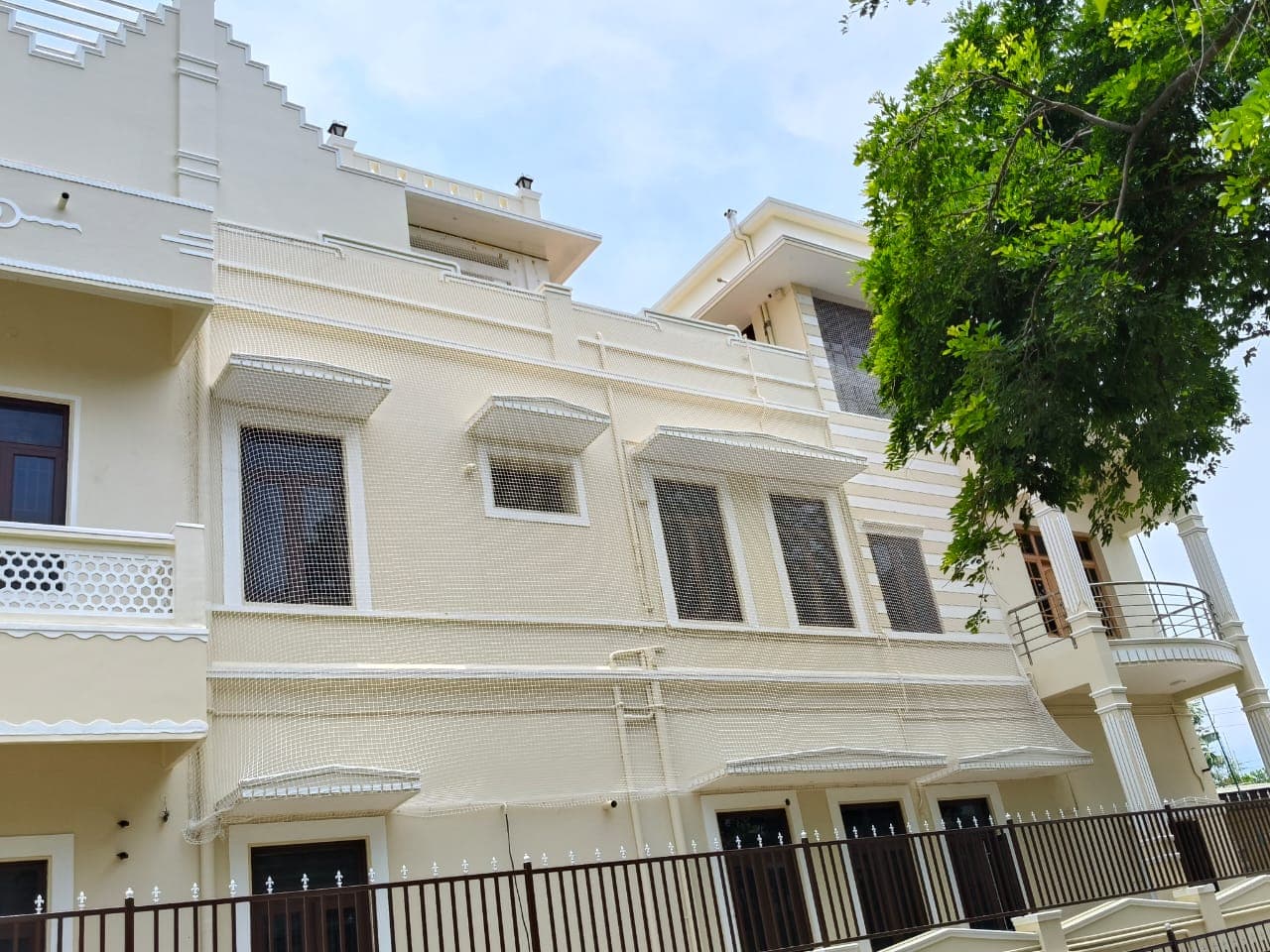
Building Covering Safety Nets
Facade and scaffold sheeting that contains debris, dust and tools during construction, repair and painting work.
Planned around your opening
Thoughtful fitting. A space that still feels like yours.
A balcony, a utility opening and a practice area each need a different approach. We consider how the space is used, where the fitting can be secured and how you will access it afterwards.
Materials chosen for the intended use
Cable grade, mesh denier, and hardware are named for the job — view, children, birds, or sports — not a generic pack.
A plan for edges, corners and access
Fixing surfaces, returns, and how you will open or clean the space are decided before anyone starts drilling.
Clear fitting scope before work begins
The written quote lists measured openings, included labour, and exclusions so you can compare vendors fairly.
How it works
Typical installation path
 1
1Share photo
City + opening photo is enough to start
 2
2Site survey
Measure openings and check fixing surface
 3
3Written quote
Grade, spacing, and scope in writing
 4
4Install & hand over
Fit, tension check, and walkthrough
Pricing that stays honest
How safety quotes are built in your city
We do not publish a fake national ₹/sq ft band that pretends every balcony is the same. Instead you get unit clarity, a quote checklist, and a photo estimate path — so you can compare any vendor (including us) without guessing.
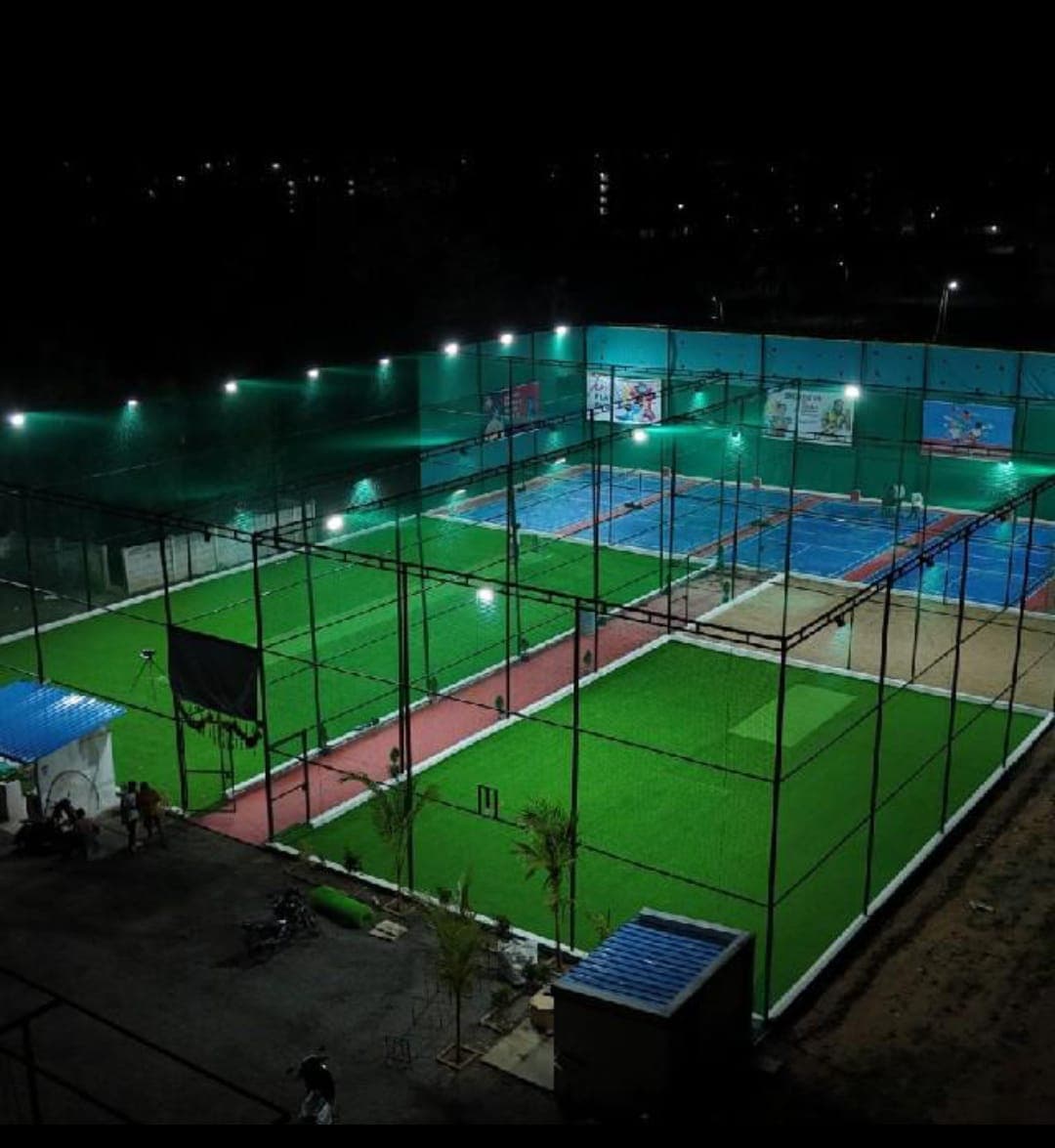
Measured size and shape
Width, height, returns, corners, and irregular edges decide quantity. Photos help shortlist; survey locks the number.
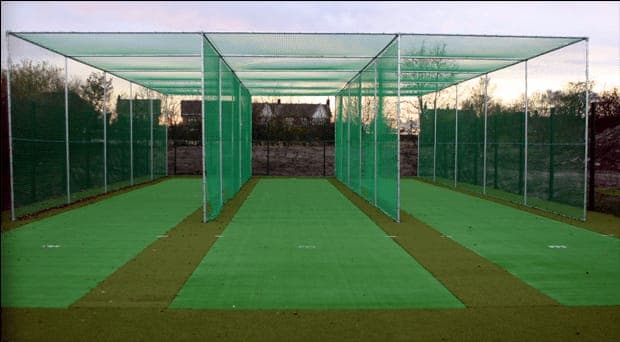
Purpose and material
Child spacing, bird mesh, monkey-grade denier, and coastal 316 cable are different specs — not one generic “safety product”.
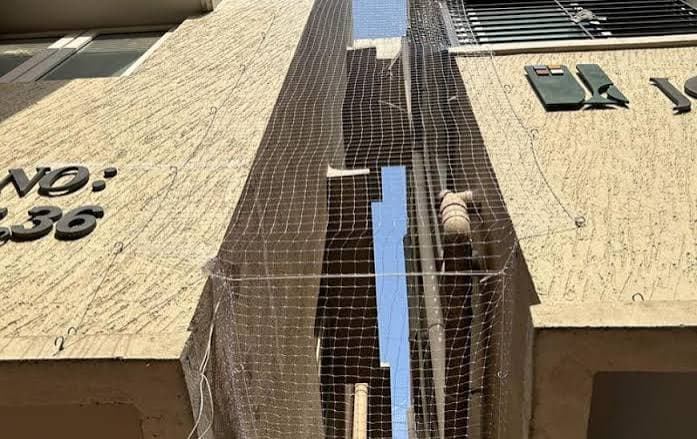
Access and fixing surface
Floor height, scaffold or gondola, railing type, and concrete vs metal change labour and hardware even at the same area.

Finish and aftercare
Edge finishing, colour match, tension checks, warranty visits, and what must appear on the written quotation before install day.
Price units by system (ask for the unit first)
Clearer units than a thin four-card price band — so quotes stay comparable.
| System | Typical unit | Must be named on the quote |
|---|---|---|
| Invisible grills | Usually by fitted opening area (or bay count) | Cable grade (304/316), spacing, frame finish, openable bays |
| Balcony / child safety nets | Usually by fitted mesh area | Denier/UV grade, aperture, border rope, return sides |
| Transparent / low-vis nets | Usually by fitted mesh area | Strand colour, denier, mesh size, edge treatment |
| Pigeon / anti-bird nets | Usually by covered opening area | Full-opening vs ledge-only, mesh size, duct returns |
| Bird spikes | Usually by running length of ledge | Base material, glue vs screw fix, bird species pressure |
| Monkey-grade nets | Usually by fitted area + reinforcement extras | Denier, corner plates, pull-tested anchors |
| Sports / cricket nets | By lane size or panel set | Impact rating, posts, shared-terrace rules |
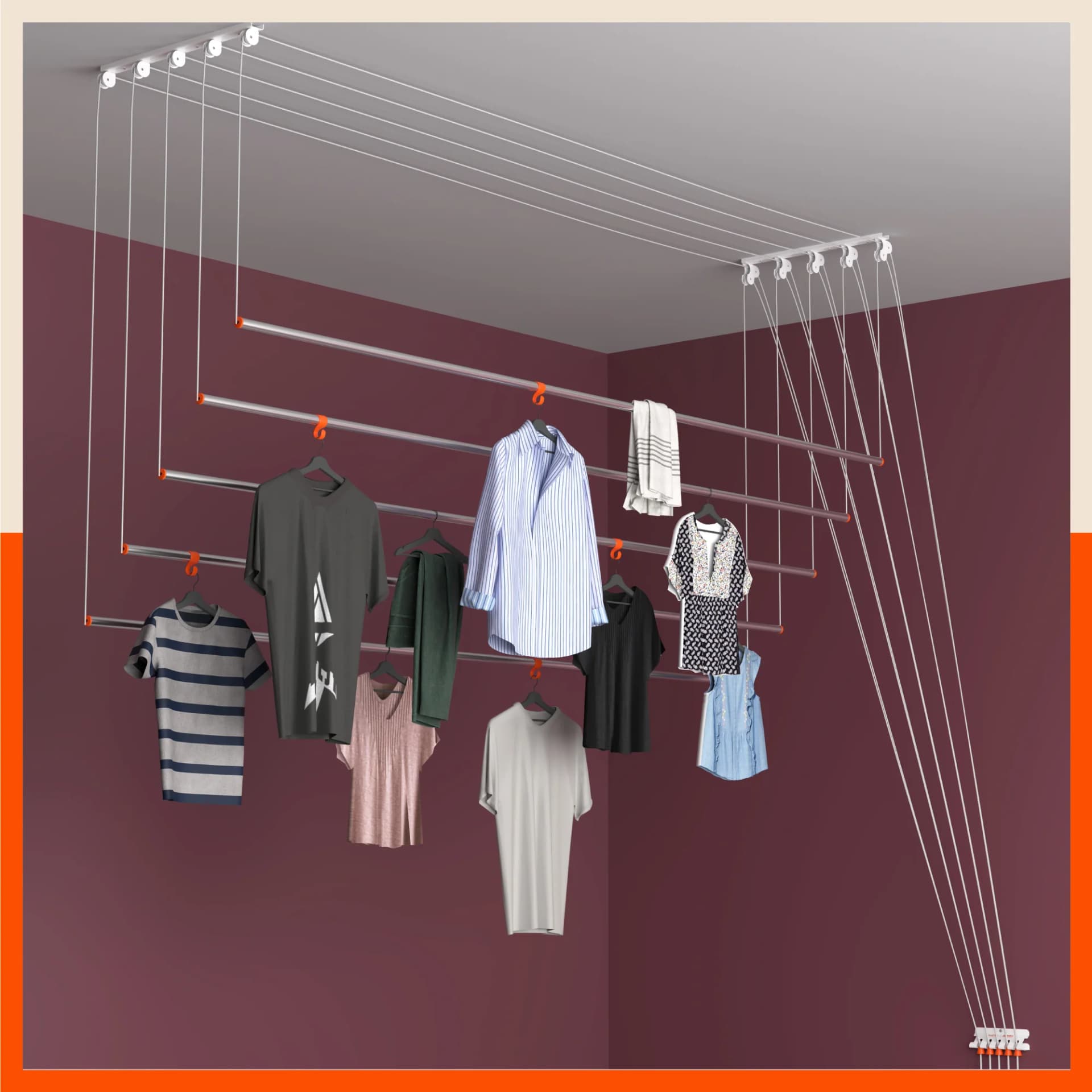
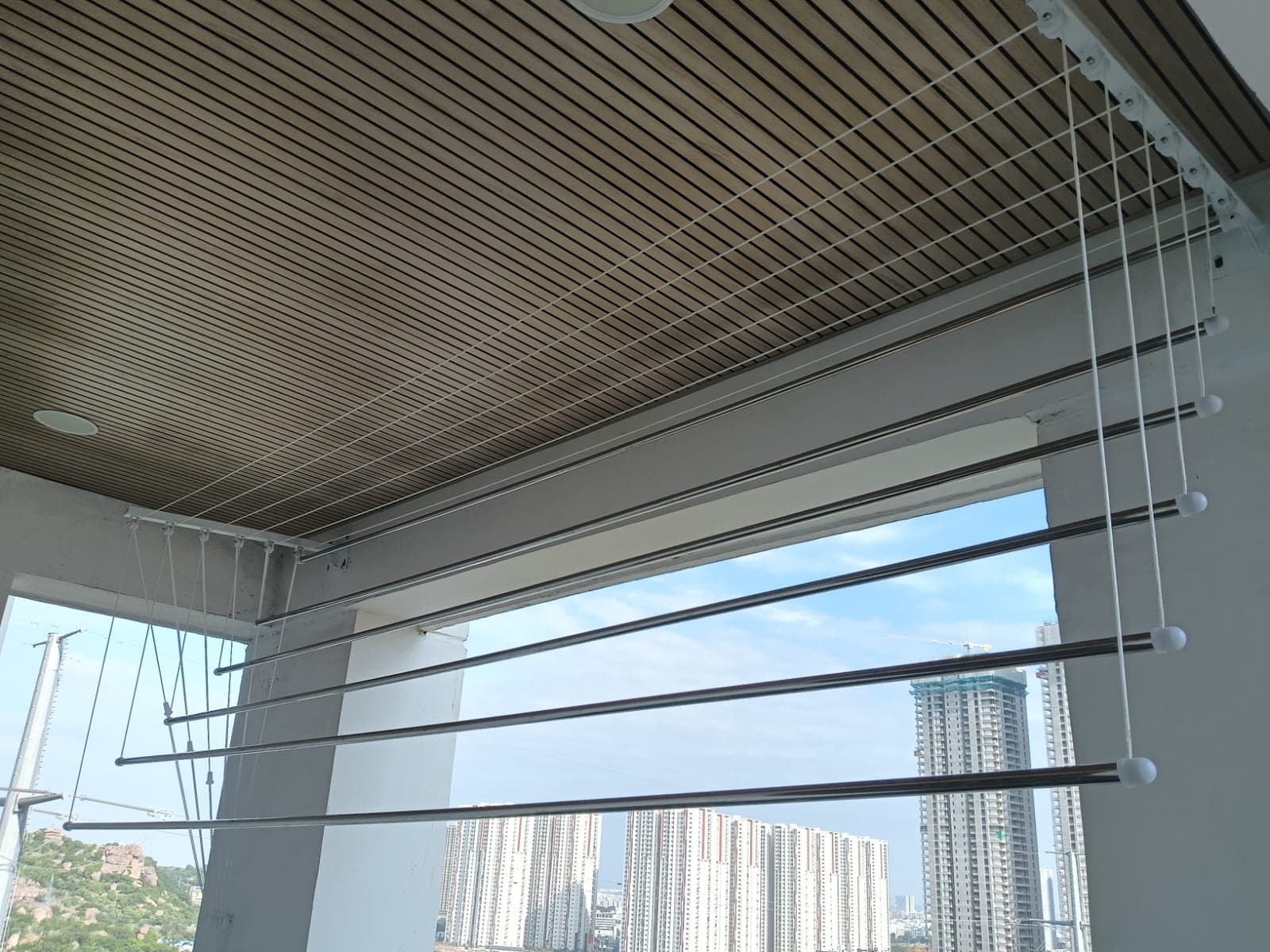
| Cloth hangers | By system (rails/lines), not balcony sq ft | Ceiling vs wall, pulley count, stainless grade |
Written-quote checklist (use this on every vendor)
- 1Price unit stated (₹/sq ft of fitted area, per bay, per running metre, or per system)
- 2Measured openings listed bay by bay (W × H), not one guessed room total
- 3Material grade named (e.g. SS 304/316 cable, UV HDPE denier) — not only “stainless”
- 4Spacing or mesh aperture written in mm or inches
- 5Access notes (floor, scaffold/cradle, society time window)
- 6Inclusions: labour, hardware, finishing, GST line, warranty duration
- 7Exclusions: civil make-good, painting, association fees, remobilisation
- 8Minimum job charge (if any) shown separately from unit rate
Full depth: pricing guide · compare systems
Photo estimate
Send a photo from your city for a local estimate
One wide shot + a close-up of the fixing surface is enough to shortlist the system and outline what your written quote should include. Firm totals follow survey.
Photo → WhatsApp estimate
Send a clear photo of the opening in your city
One wide shot and a close-up of the fixing surface are enough to confirm coverage, suggest the right system, and outline what should appear on a written quotation before you book a survey. Firm totals still follow measurement on site.
- ✓ City / PIN in the message
- ✓ Priority: kids, birds, view, or monkeys
- ✓ Rough width × height if known
- ✓ Floor / society access notes
Photo estimate
Send a clear photo of the opening
WhatsApp a balcony, window, or duct photo with your city. We reply with the system options that fit and what a written quote should include — no rate-card guesswork.