
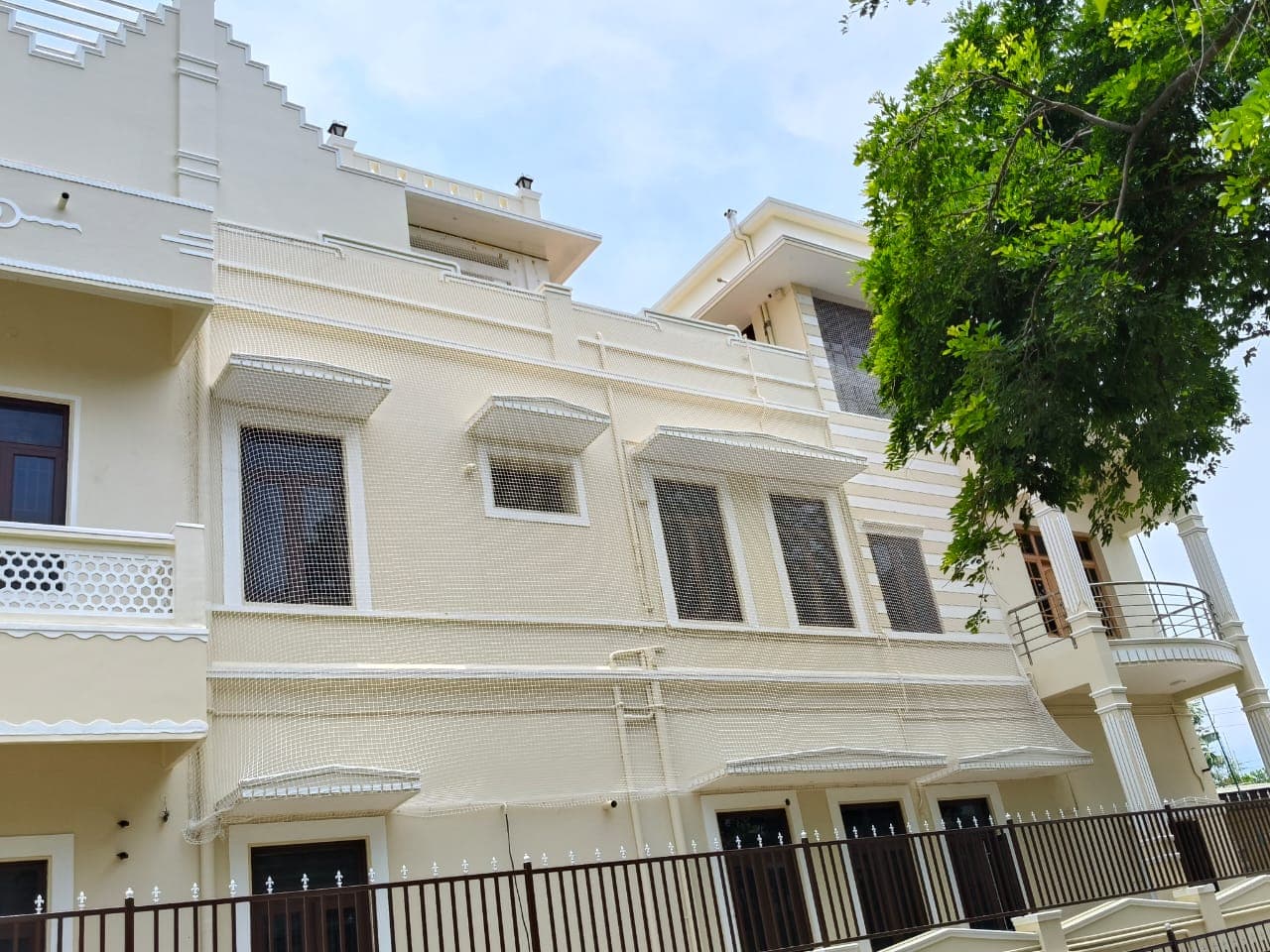
Construction Safety Nets
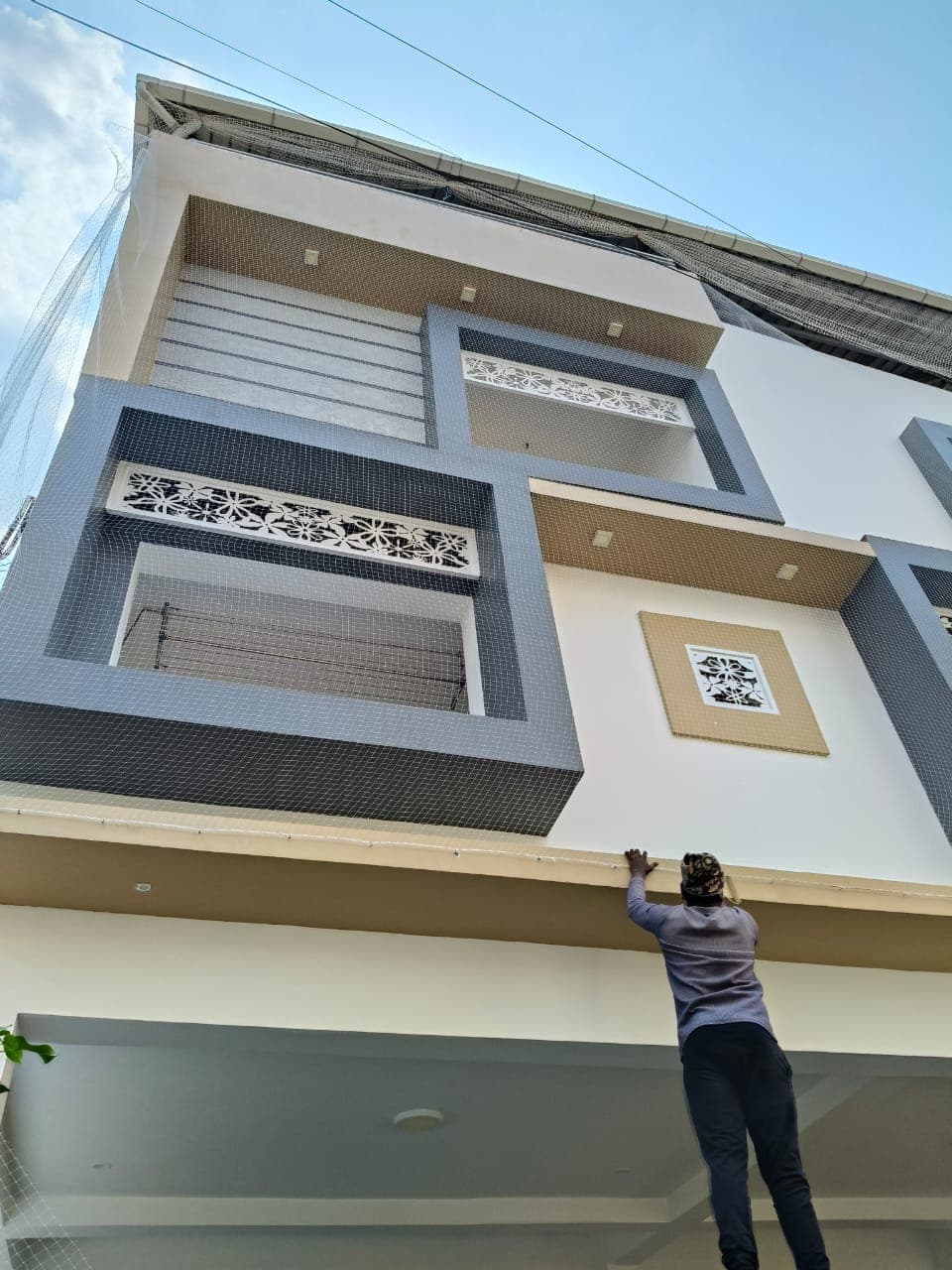
Facade and scaffold sheeting that contains debris, dust and tools during construction, repair and painting work.
Premium Invisible Grills & Safety Nets across South & West India.
Service
High-rise work adds wind exposure, cradle or rope access, and stricter society permits. Hardware and inspection schedules reflect height even when the opening size matches a low floor. Facade and scaffold sheeting that contains debris, dust and tools during construction, repair and painting work. Use the state and city links below for local pages; each city URL keeps its own specification notes so content is not copied from one metro template.

intentFocus
High-rise work adds wind exposure, cradle or rope access, and stricter society permits. Hardware and inspection schedules reflect height even when the opening size matches a low floor.
Facade and scaffold sheeting that contains debris, dust and tools during construction, repair and painting work. This hub is only for Building Covering Nets; sibling subsections (price, installation, balcony, and so on) keep their own URLs so crawlers do not see the same body pasted under different headings.
Below, every published state links onward to city pages for building covering nets. Locality and intent pages under those cities carry place-specific notes rather than repeating this national overview.
coverage
Use this matrix to reach a city-level building covering nets page. Each state row summarises coverage; city pages then diverge by climate and building stock.
materials
| Material | Specification | Why it matters |
|---|---|---|
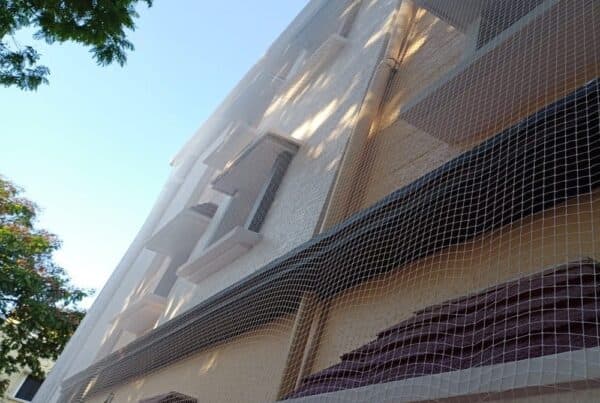
| HDPE facade sheeting | UV-stabilised HDPE monofilament, 50 to 150 GSM | Weight is chosen for the work: lighter mesh passes more wind and heavier sheeting contains finer material. |
| Flame-retardant netting | FR-treated polyethylene sheeting | Specified wherever welding, cutting or grinding is planned within the clad zone. |
| Ties and edge reinforcement | UV-stable cable ties or lacing cord with reinforced eyelets | Eyelets spread the load into the sheeting; ties are the intended sacrificial element and are replaced as needed. |
installation
This is survey-led work. A typical job takes 8 to 60 hours on site once the specification is settled.
Temporary works review
We confirm the scaffold or structure can accept the additional wind load that cladding it will create.
Sheeting specification
Mesh weight, aperture and any flame-retardant requirement are fixed against the actual scope of work.
Phased fixing up the elevation
Panels are fitted and tied progressively, following the work rather than cladding the whole building at once.
Tie inspection regime
Ties are checked at agreed intervals through the programme, since they are what fails first in high wind.
Controlled removal
Sheeting is struck in sequence with the scaffold and removed from site rather than being left in place to weather.
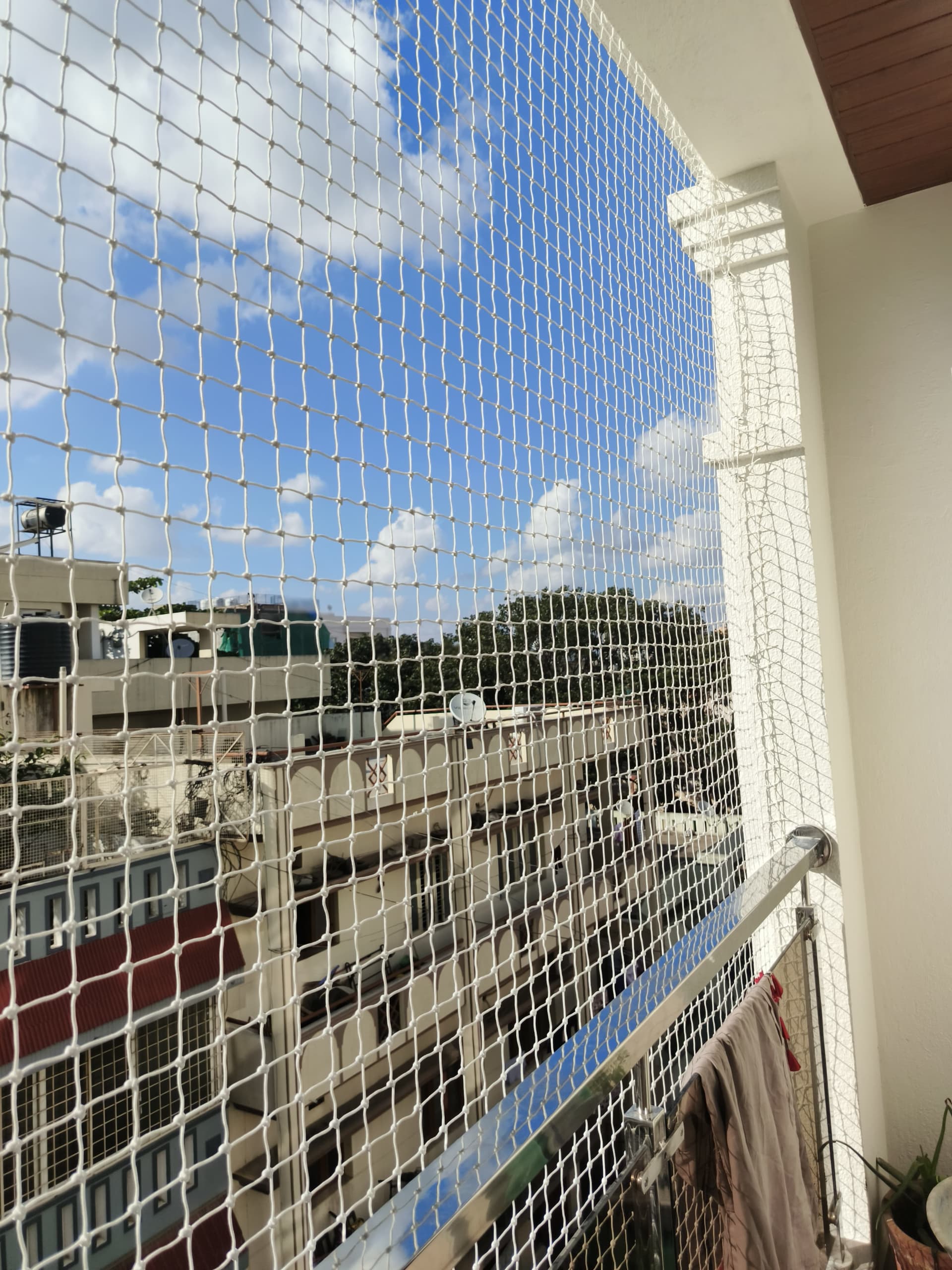
safety
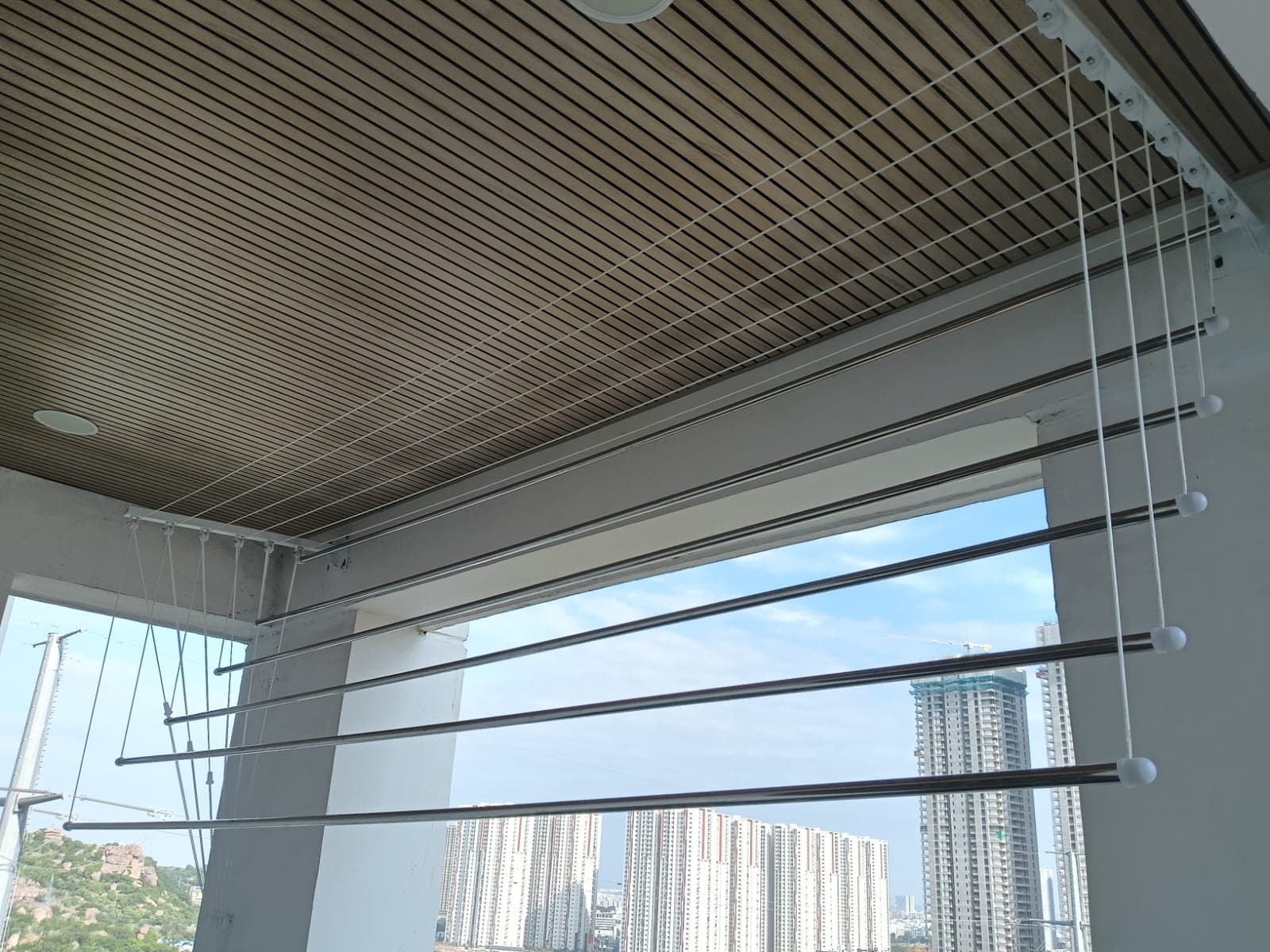
benefits
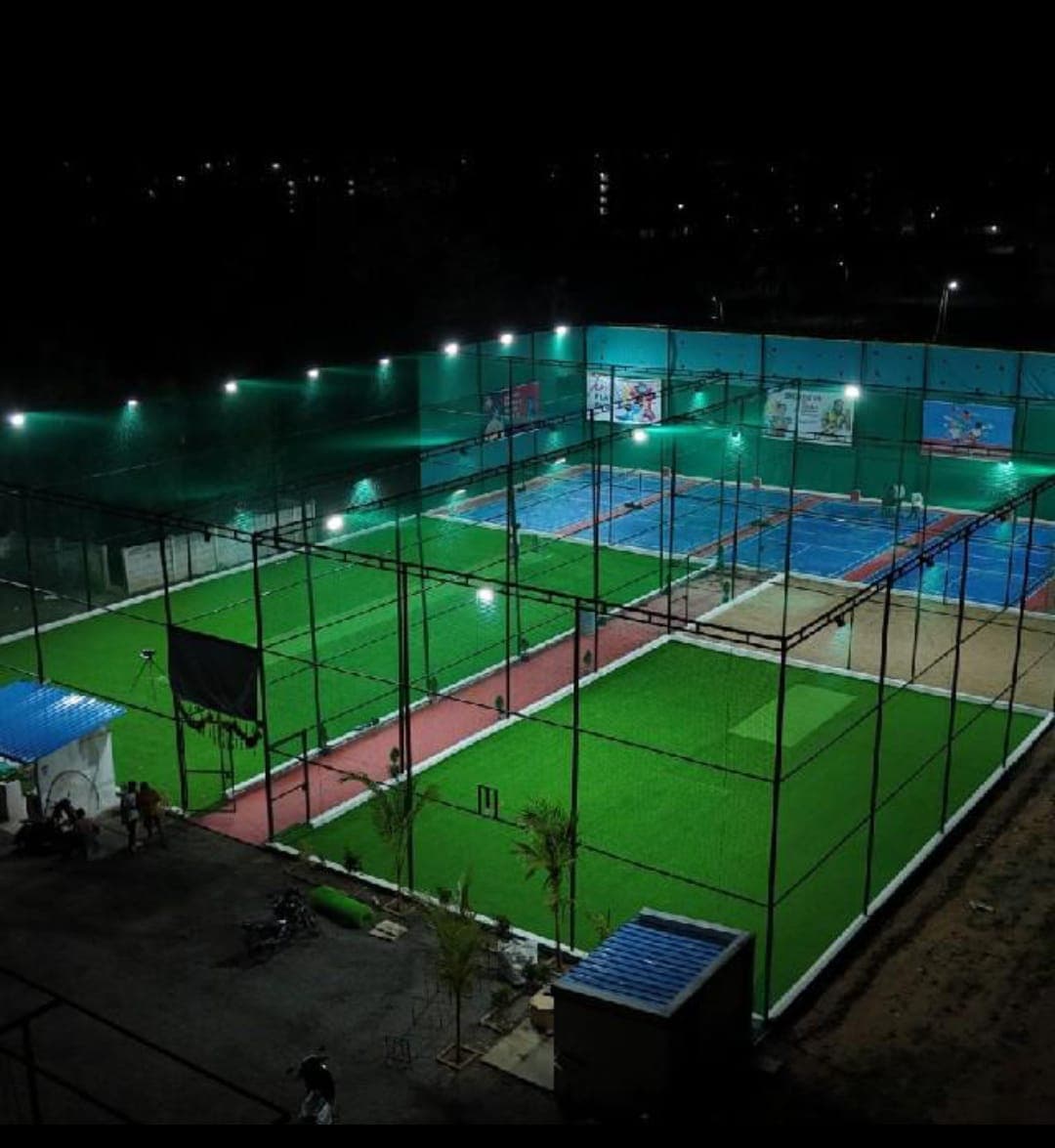
features
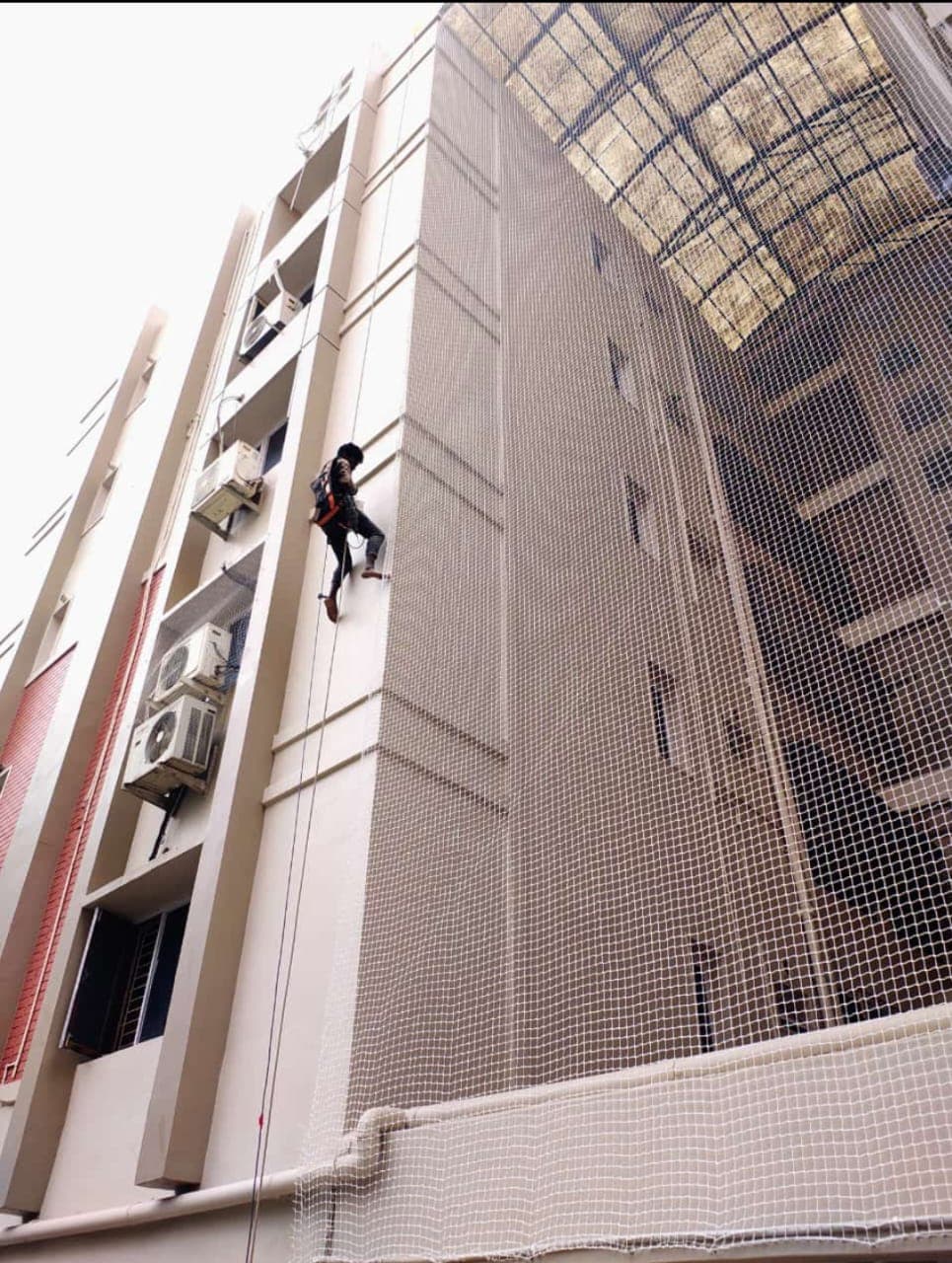
applications
maintenance
We recommend an inspection every 1 months. Most of it is straightforward enough to do yourself.
quality
This product carries a 1-year warranty on materials and workmanship, on the basis that the recommended inspection is carried out.
pricingFactors
We do not publish a rate per square foot, because the same area can differ in price by a factor of two depending on grade, spacing and access. Every quotation states these explicitly.
whyChoose
More ways to make your space work
Start with the job the opening needs to do. Each page keeps its own specification notes — not a copied national paragraph.
Facade and scaffold sheeting that contains debris, dust and tools during construction, repair and painting work.
Facade and scaffold sheeting that contains debris, dust and tools during construction, repair and painting work.
Facade and scaffold sheeting that contains debris, dust and tools during construction, repair and painting work.
Facade and scaffold sheeting that contains debris, dust and tools during construction, repair and painting work.
Planned around your opening
A balcony, a window and a utility opening each need a different building covering nets approach. We consider how you use the space, where the fitting can be secured, and how you will access it afterwards.
Protects everyone below
Debris and tools are contained on the facade, which is what allows work to continue over an occupied street or car park.
Keeps dust off neighbours
Fine sheeting holds most airborne dust and overspray on site, which is usually the difference between complaints and none.
Lets the building stay in use
Residents and tenants can remain in occupation during facade work rather than the site being closed off entirely.
Our work
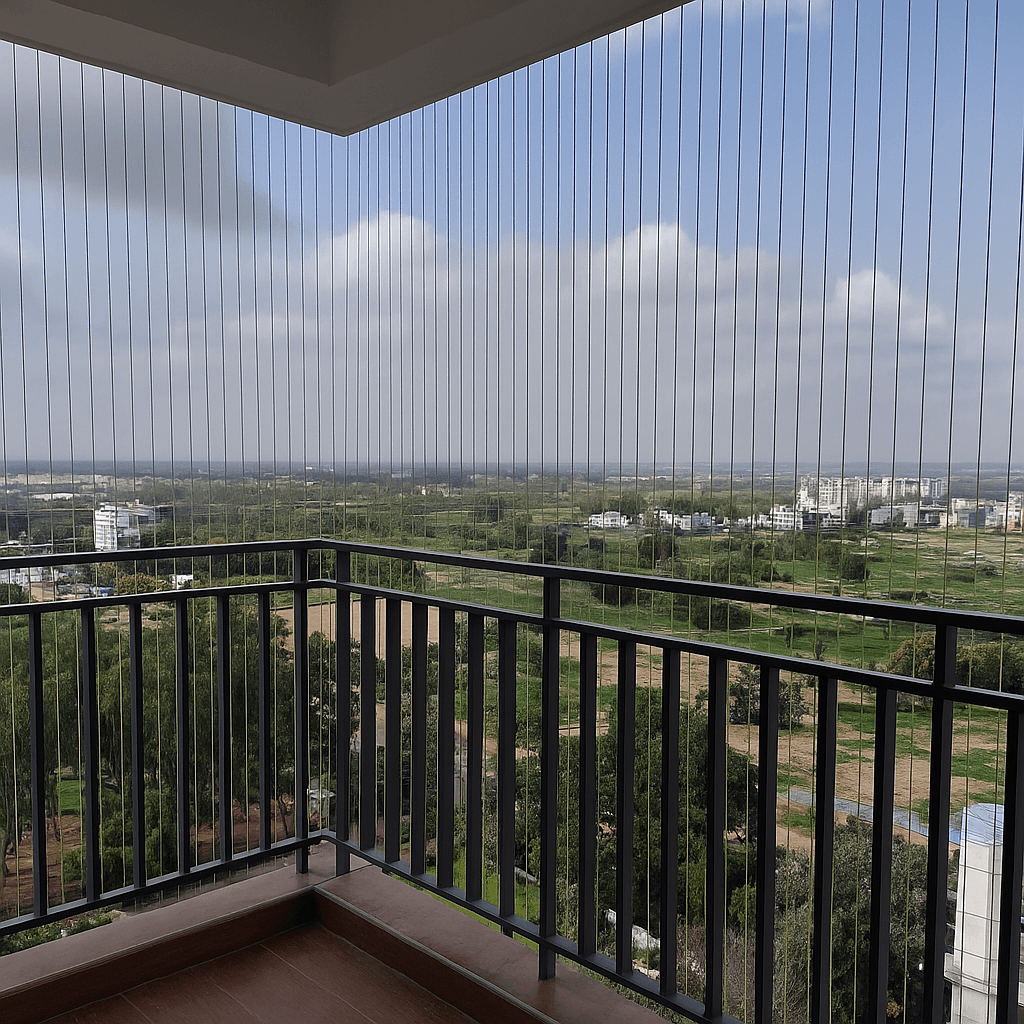
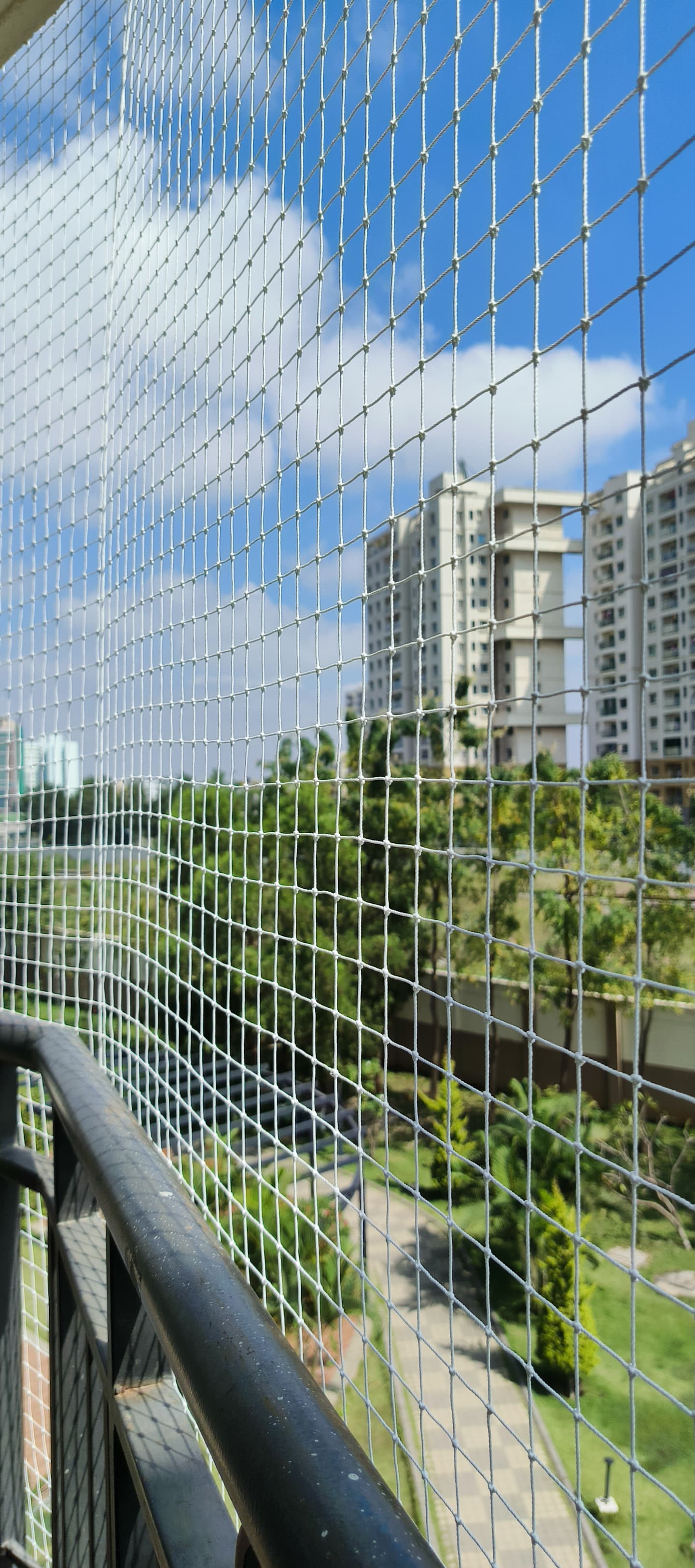
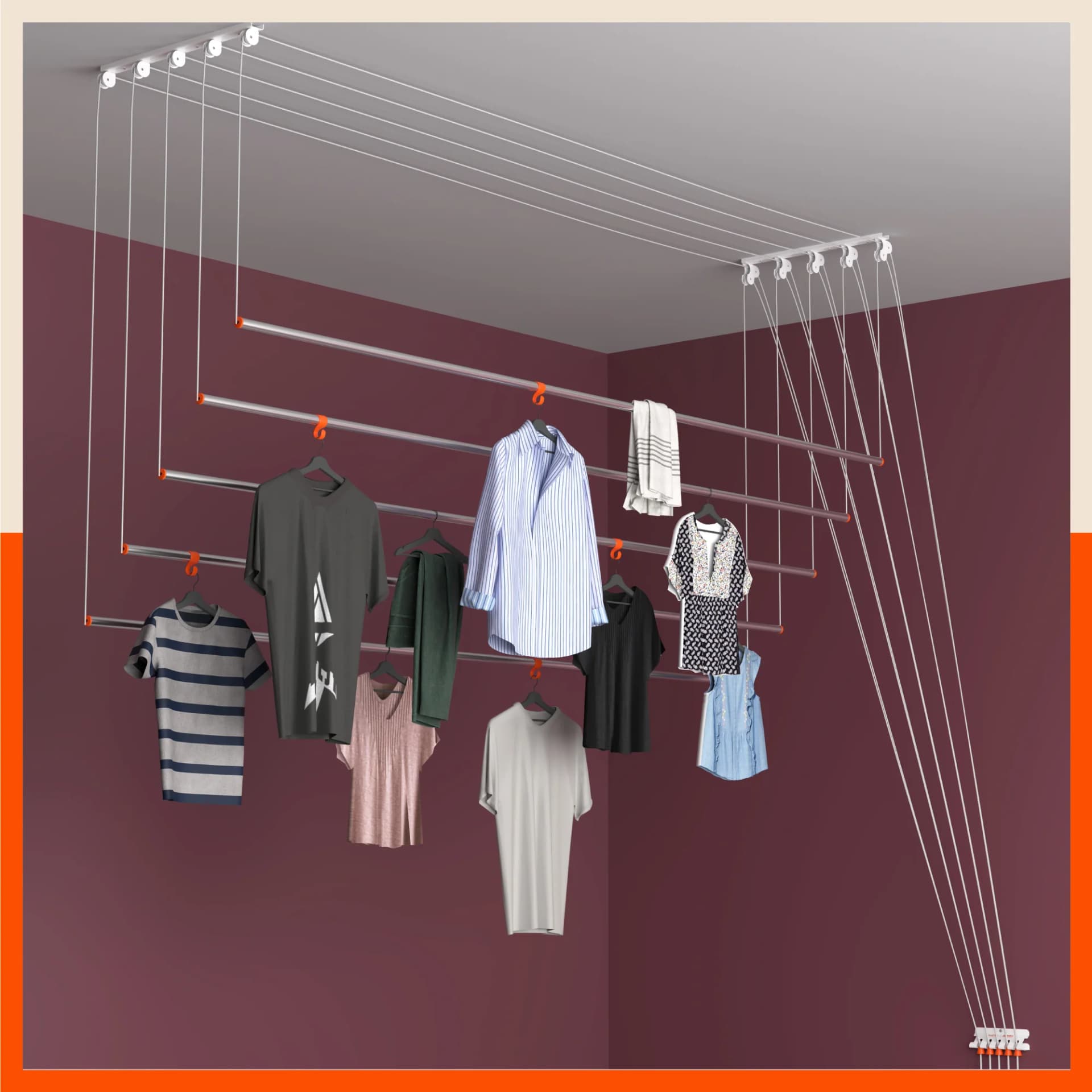
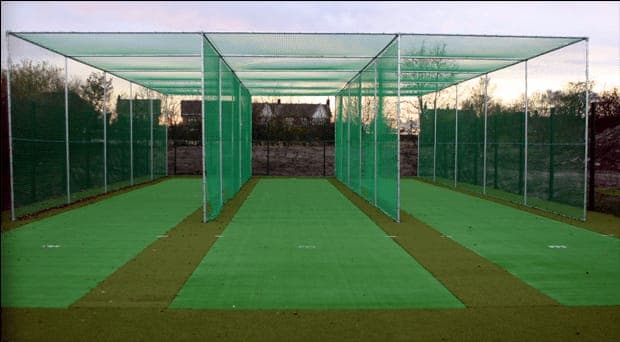
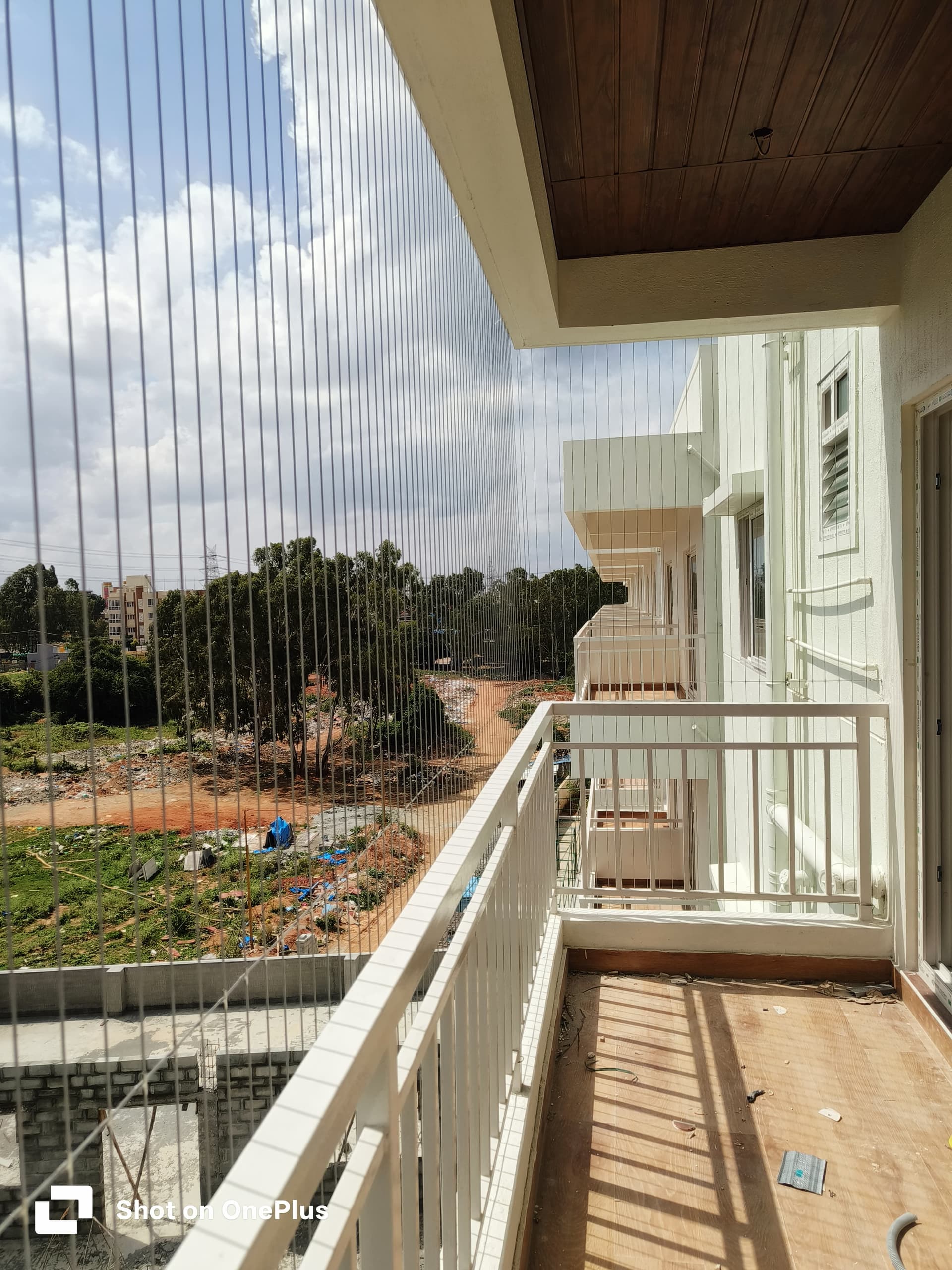
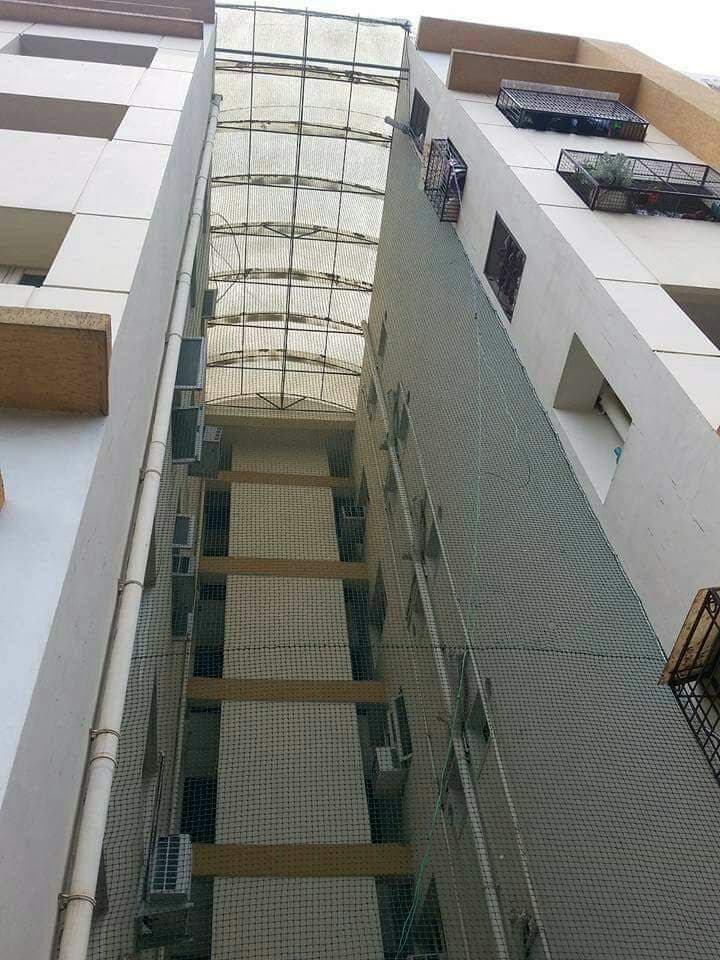
Installation photography from comparable openings — used to judge finish quality before you book a survey.
01
Send a clear photo, your city, and whether the priority is children, pets, birds, visibility, or sports use.
02
We confirm dimensions, fixing surfaces, access, and how the space is used day to day.
03
Review material grade, spacing, included installation, warranty terms, and the price unit in writing.
04
Fit the chosen system, check edges and tension, and walk through basic care before handover.
Photo → WhatsApp estimate
One wide shot and a close-up of the fixing surface are enough to confirm coverage, suggest the right system, and outline what should appear on a written quotation before you book a survey. Firm totals still follow measurement on site.
For anything structural we do, yes. We can give an indicative range over the phone from your balcony dimensions, but the final price depends on the condition of the wall or slab we are fixing into, the access route for materials, and the exact spacing you need. A survey takes about twenty minutes and means the quotation we give you is the price you pay.
We cover the localities listed on our service area pages, and those lists reflect where we genuinely operate rather than everywhere we would like to. If your locality is not listed, call us anyway: we often work just beyond a listed boundary, and we will tell you plainly if a job is outside our reach rather than sending someone unprepared.
In most gated communities and housing societies, yes, because anything fixed to an external wall or balcony counts as a facade alteration. We can supply the drawings and material specification you need to submit. It is worth starting that process early, since approval usually takes longer than the installation itself.
In most cases yes, which is usually the main reason for sheeting in the first place. Fine mesh holds dust and overspray on site so windows remain usable for much of the programme, and we phase the sheeting to follow the work up and down the elevation rather than wrapping the whole building at once.
A cloth hanger is usually done in an hour or two. A single balcony safety net takes two to six hours, and an invisible grill on one or two bays takes most of a working day. Larger jobs such as sports enclosures or building covering run to several days because foundations and scaffold have to be dealt with first.
Not without checking its design first. Cladding a scaffold can multiply the wind load it carries, and a scaffold erected without that allowance may not be adequate once sheeted. We review the temporary works before anything goes up, which occasionally means asking for additional ties before we proceed.
Warranty depends on the product, and the figure for each one is stated on its service page rather than promised generically here. In every case the warranty covers materials and workmanship on what we installed, and it assumes the yearly inspection is carried out. We will always tell you what is and is not covered before you commit.
Service areas
Pick your city for climate-specific notes and local installation guidance — not one metro paragraph reused nationwide.
Photo estimate
Share your city and a clear photo of the opening. We reply with the right system options and what a written quote should include.
Explore more
Continue this service, compare nearby locations, or open a buyer guide — every cluster is unique to this page.
2 sections
2 sections
1 sections
1 sections
1 sections
1 sections
Conversion
Send a photo, book a callback, or call the team — we reply with the right system options for your opening.