
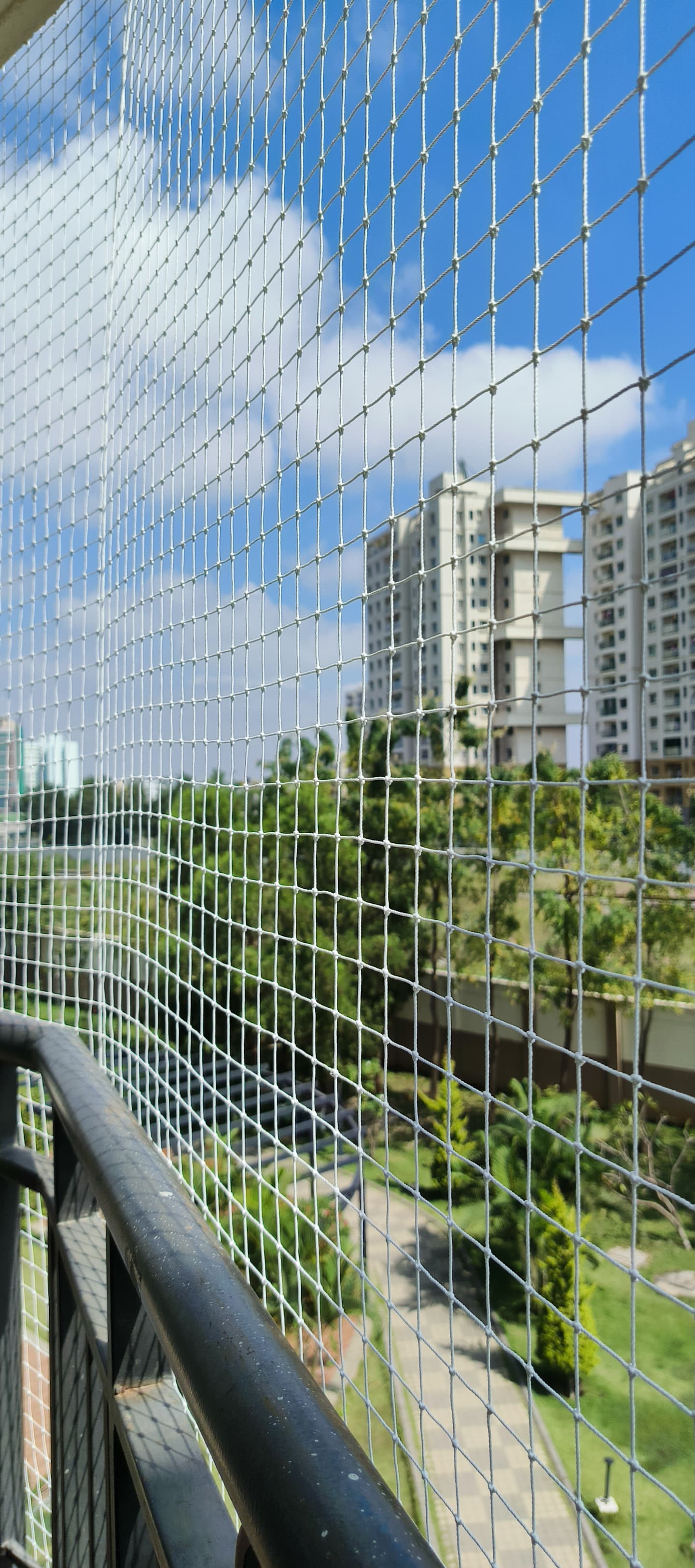
Anti Bird Nets
Full-opening bird netting for balconies, ducts, terraces and utility spaces.
Premium Invisible Grills & Safety Nets across South & West India.
Aland, Kalaburagi, Kalaburagi
Pigeon control on ledges, ducts, and open shafts is mostly about closing landing and nesting space with UV-stable netting. We detail aperture, overlap, and access for cleaning so the install stays effective after the first season. In Aland, Kalaburagi, Kalaburagi, Stops pigeons and other birds from perching and nesting on balconies, windows, ledges, and duct areas without blocking daylight.

intentFocus
When you are researching for pigeon control for Bird and pigeon nets in Aland, pigeon control on ledges, ducts, and open shafts is mostly about closing landing and nesting space with UV-stable netting. We detail aperture, overlap, and access for cleaning so the install stays effective after the first season. Aland taluk near Kalaburagi covers town and village housing where balcony safety nets, invisible grills, and bird control are specified after survey rather than from a flat rate card.
materials
| Material | Specification | Why it matters |
|---|---|---|
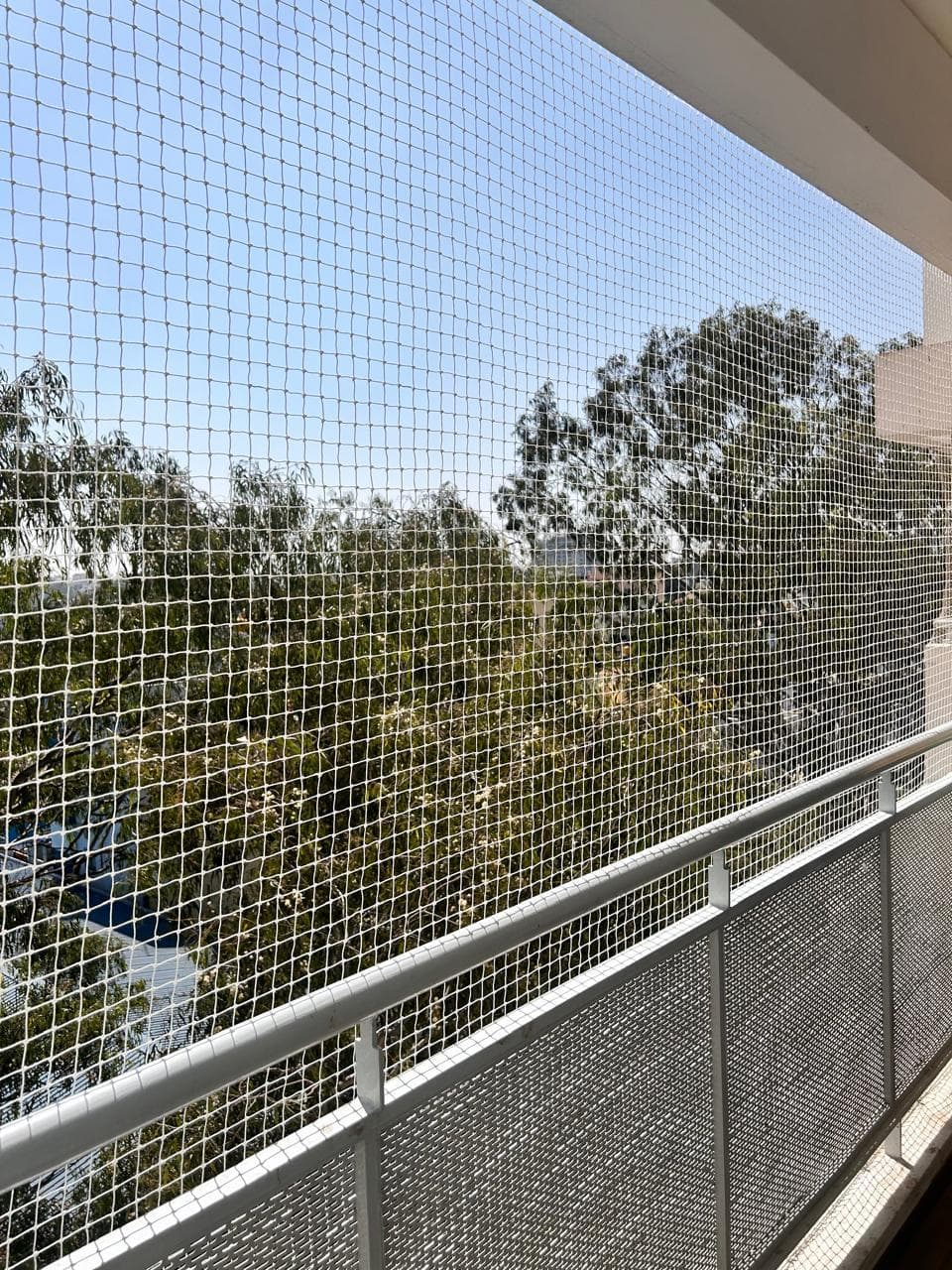
| HDPE monofilament net | UV-stabilised high-density polyethylene, knotted, 0.8 mm to 1.6 mm twine | The workhorse material: strong, light and stable in sun when properly compounded, and the usual choice for bird and balcony nets. |
| Nylon safety net | Braided nylon 6, higher denier, knotted construction | Nylon absorbs more energy on impact than HDPE, so it is specified where the net has to arrest a falling load rather than exclude birds. |
| Perimeter rope and anchorage | Polypropylene border rope with stainless eye bolts and turnbuckles | The border rope transfers load to the anchors; stainless hardware keeps the fixings from becoming the weak point outdoors. |
localConditions
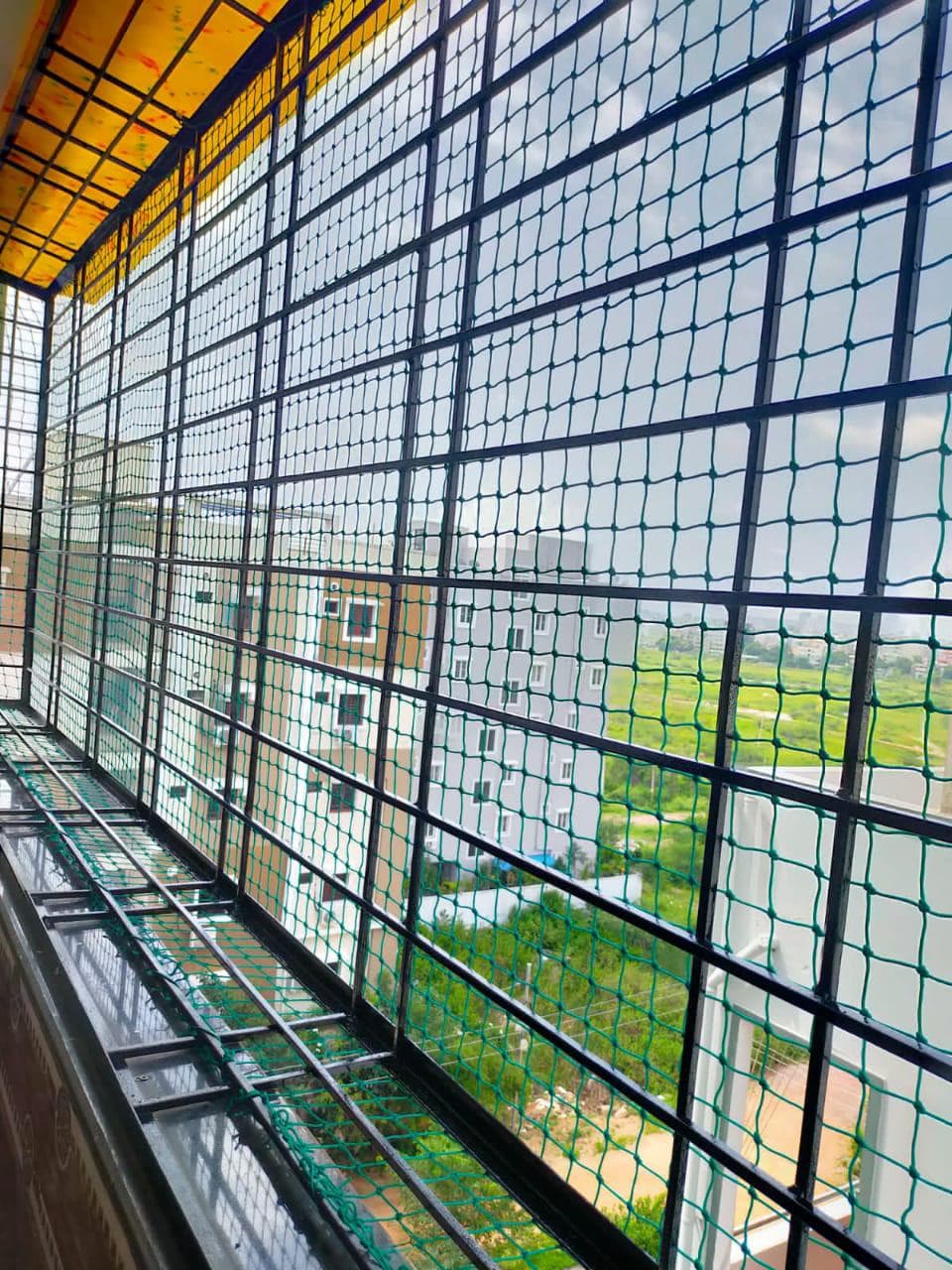
Aland taluk near Kalaburagi covers town and village housing where balcony safety nets, invisible grills, and bird control are specified after survey rather than from a flat rate card.
This locality has a mix of older and newer buildings, so we treat each property individually. Substrate quality is the main thing that varies, and it is the single factor most likely to change the anchor method once we have seen the wall.
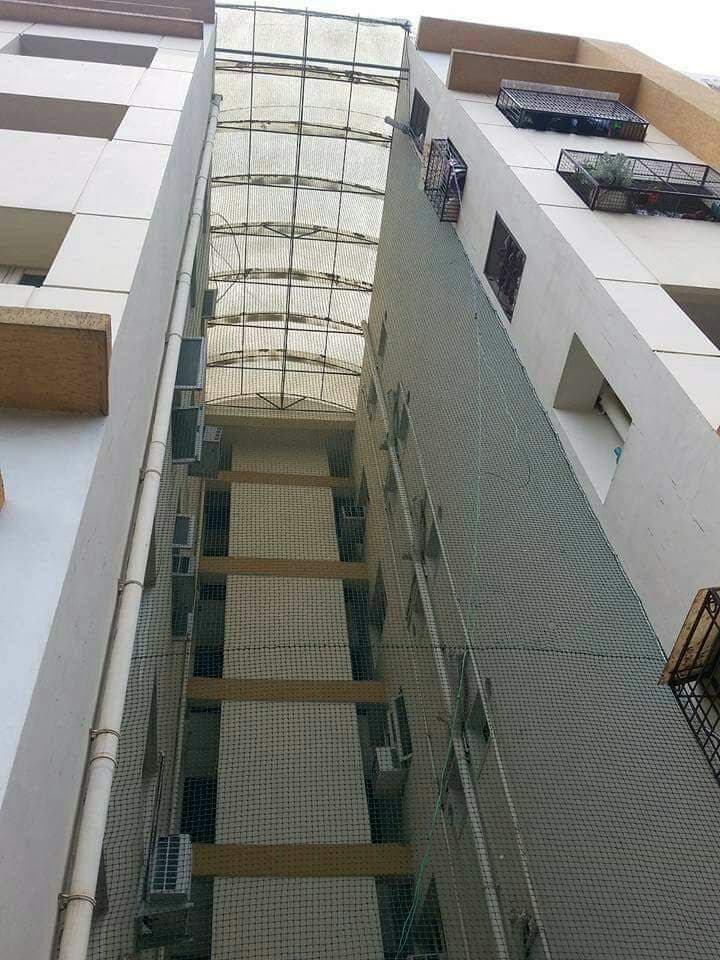
On a tall building the net becomes a sail. Wind loading, not the weight of anything caught in it, sets the anchor spacing, so we increase the number of fixings, use turnbuckles that allow re-tensioning from inside, and keep panel sizes smaller so a single failure cannot open a large gap.
benefits
installation
1. Inspection
We inspect the opening in Aland, note substrate condition, and flag access or association constraints before any material is ordered.
2. Measurement
Every bay is measured on site so the quotation matches the real opening, not a floor-plan guess.
3. Material selection
Grade, spacing, and hardware are chosen for local climate and use — HDPE monofilament net or Nylon safety net as specified on the quote.
4. Installation
The opening is measured and the intended purpose confirmed, since that decides mesh aperture, twine diameter and polymer.
Planned around your opening
A balcony, a window and a utility opening each need a different bird and pigeon nets approach in Aland, Kalaburagi, Kalaburagi. We consider how you use the space, where the fitting can be secured, and how you will access it afterwards.
Stops nesting cycles
Correct aperture and closed corners deny perching so you are not cleaning the same ledge every monsoon.
Keeps daylight
Fine mesh reads as a light haze rather than a solid screen, so rooms behind the opening stay usable.
Hygiene first
Excluding birds cuts droppings, parasites, and odour at the source instead of relying on temporary spikes alone.
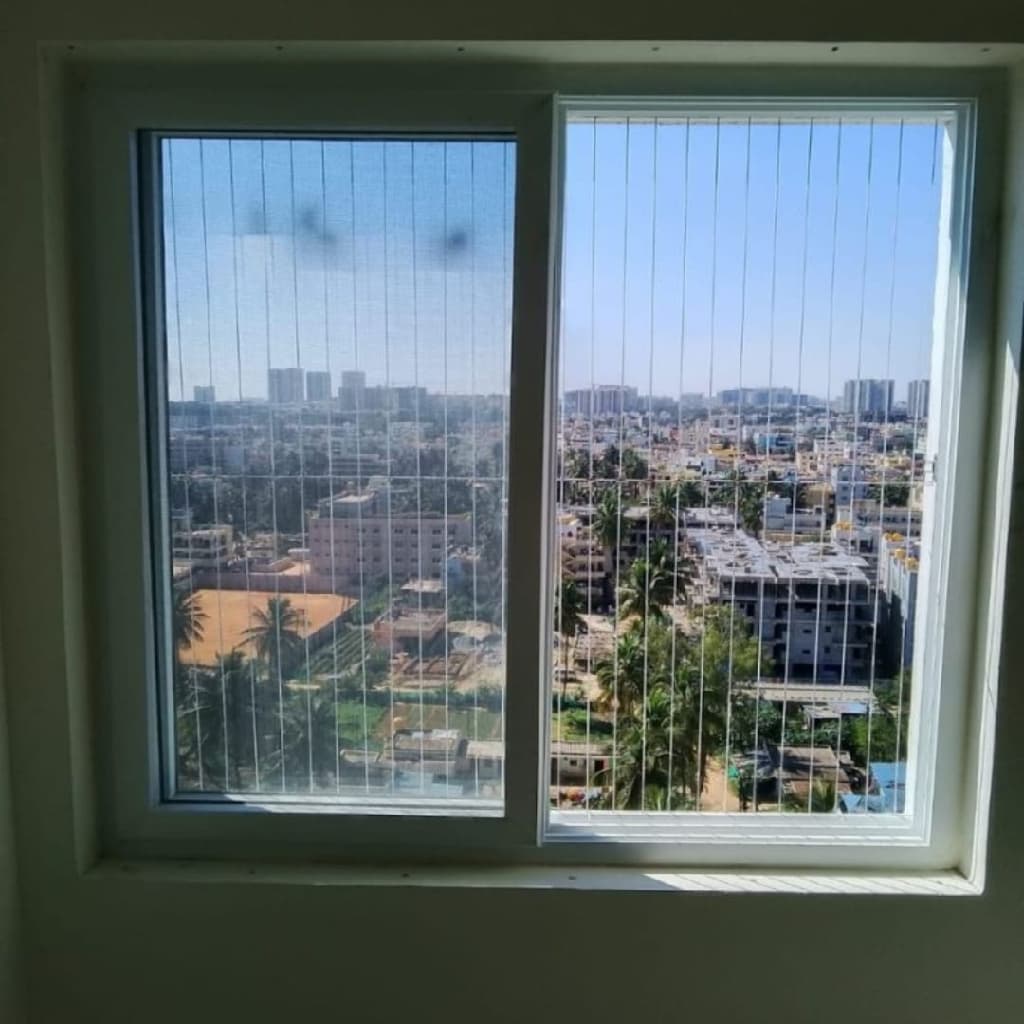
More ways to make your space work
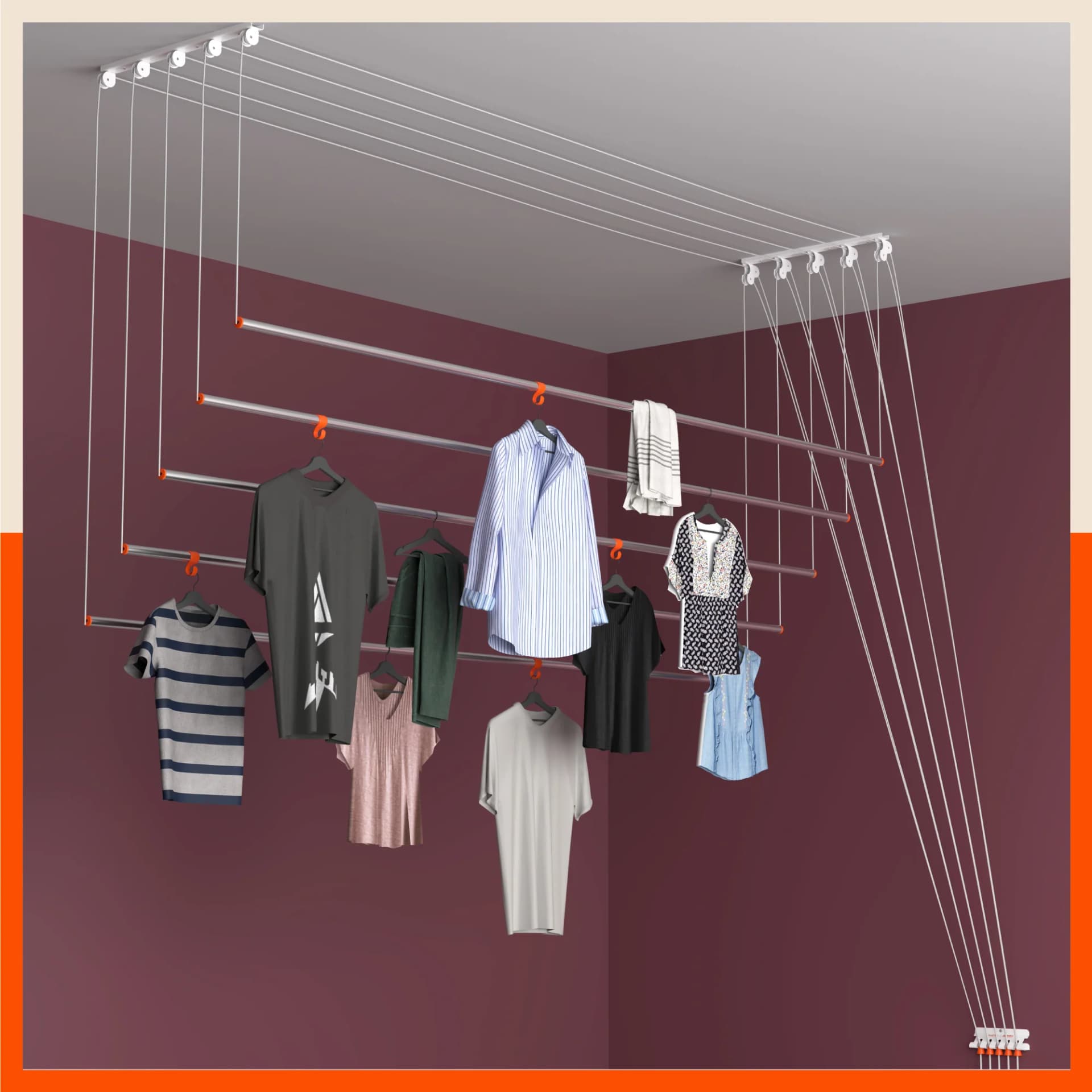
Start with the job the opening needs to do. Each page keeps its own specification notes — not a copied national paragraph.
Full-opening bird netting for balconies, ducts, terraces and utility spaces.
Full-opening bird netting for balconies, ducts, terraces and utility spaces.
Full-opening bird netting for balconies, ducts, terraces and utility spaces.
Full-opening bird netting for balconies, ducts, terraces and utility spaces.

Full-opening bird netting for balconies, ducts, terraces and utility spaces.

Full-opening bird netting for balconies, ducts, terraces and utility spaces.
Our work
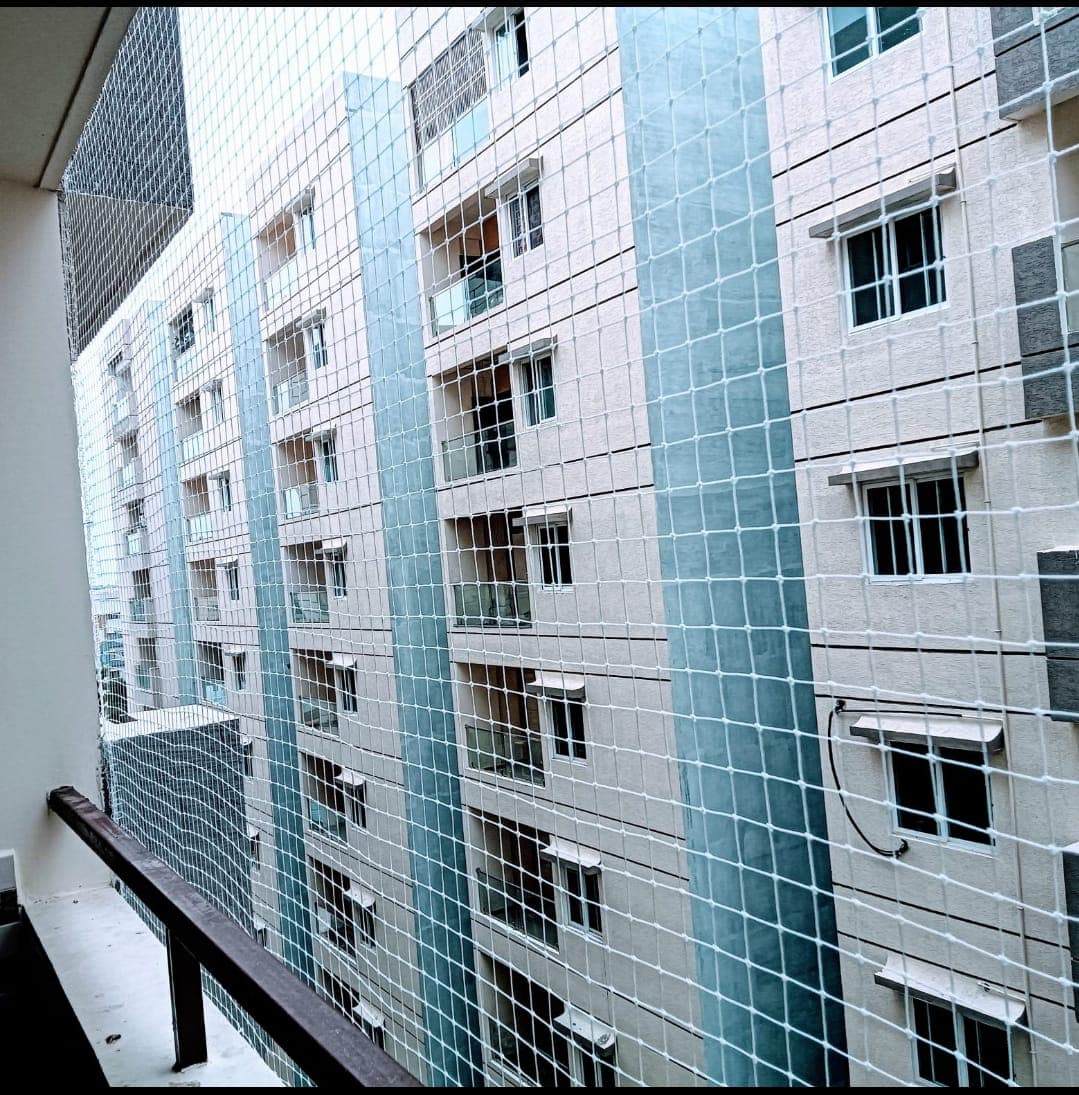
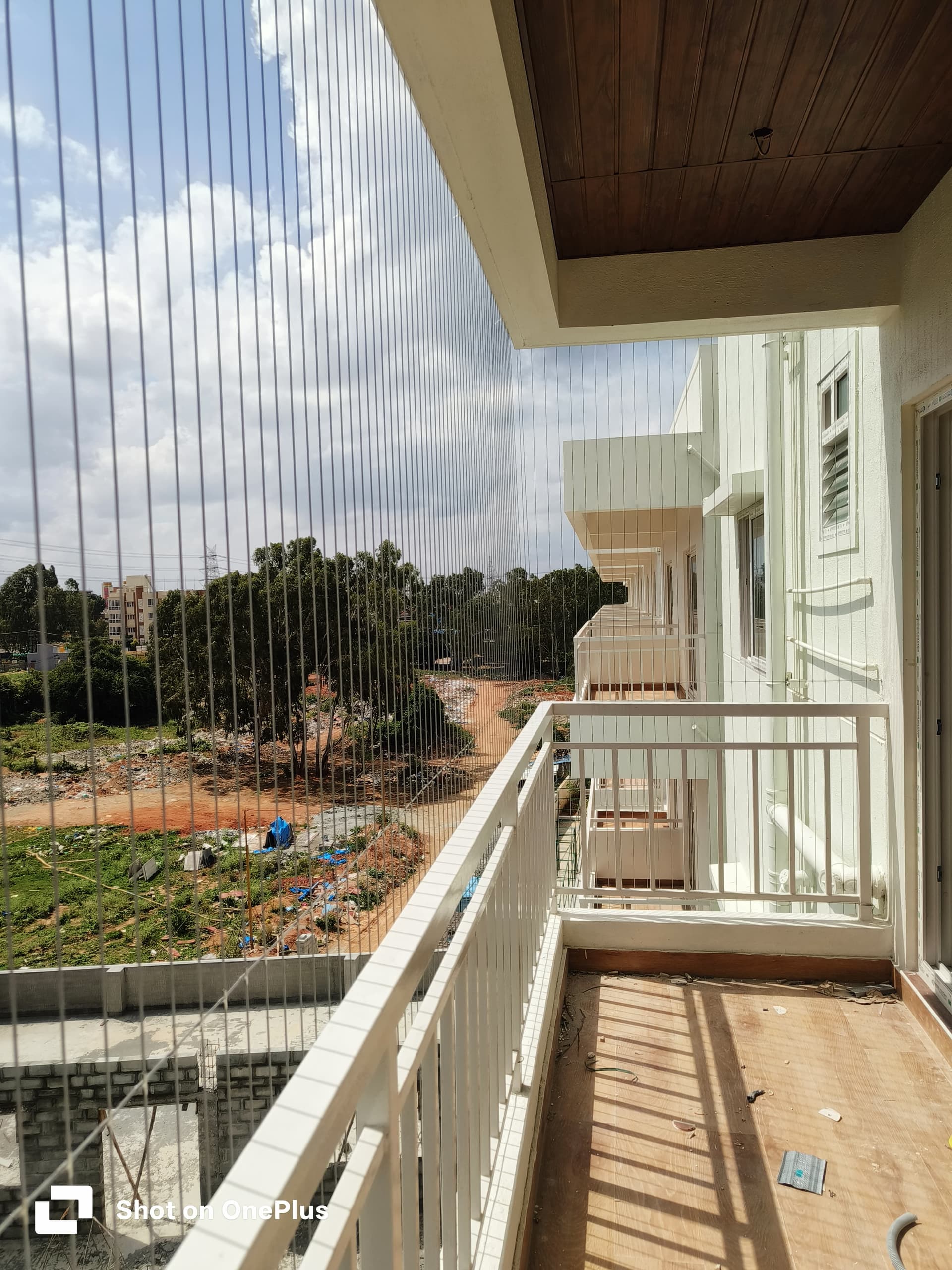
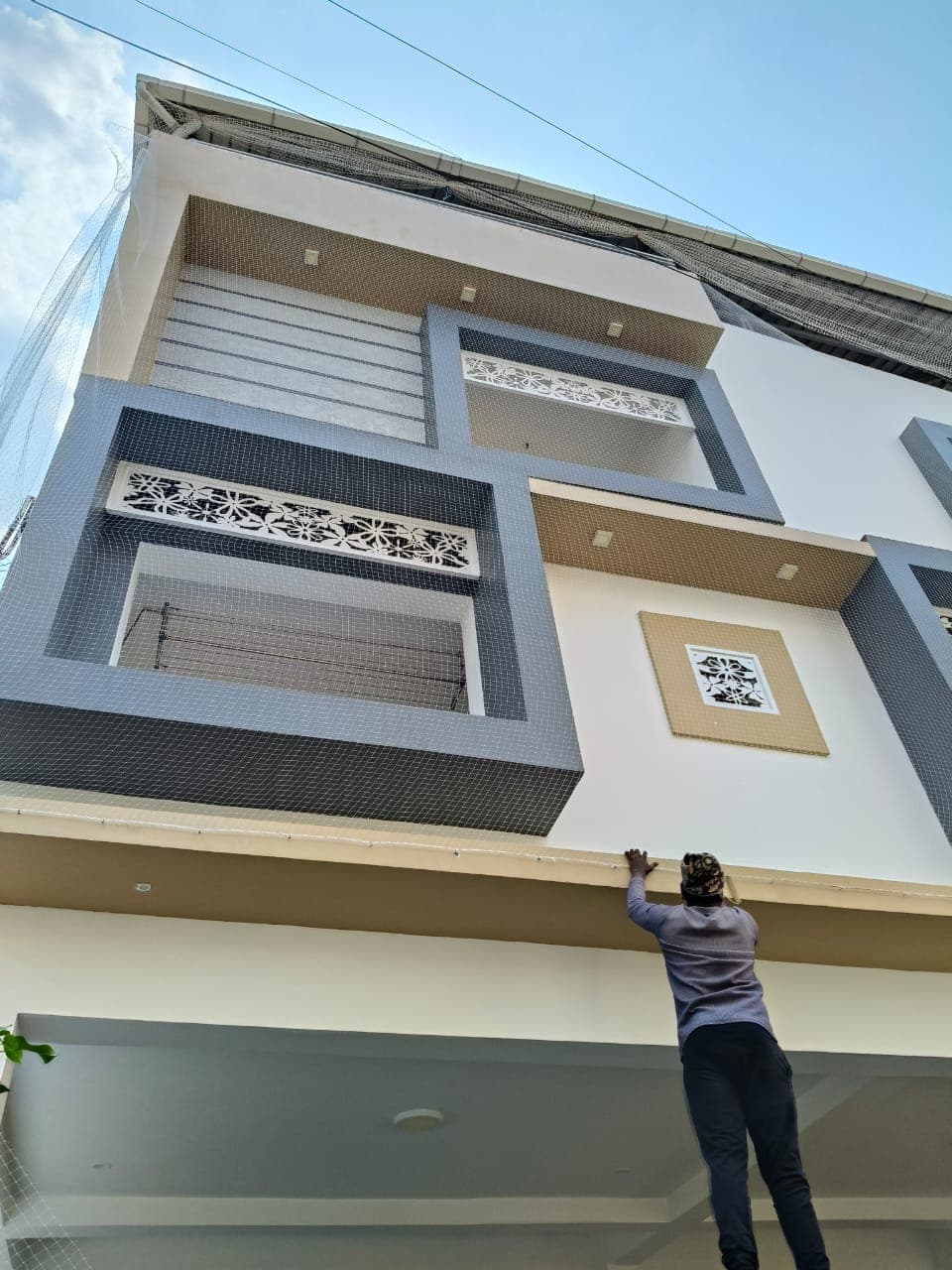
Installation photography from comparable openings — used to judge finish quality before you book a survey.
How it works
Share photo
City + opening photo is enough to start
Site survey
Measure openings and check fixing surface
Written quote
Grade, spacing, and scope in writing
Install & hand over
Fit, tension check, and walkthrough
Yes — we measure the opening in Aland, note substrate and access (including notes for Aland: Aland taluk near Kalaburagi covers town and village housing where balcony safety nets, invisible gri…), then write grade and spacing into the quotation.
Openings facing the coast at Aland need fixings that survive humid, salt-laden seasons.
We use Aland main road only as an orientation cue — the install address still needs a PIN and floor. Coverage follows surveyed Kalaburagi localities, including Aland.
Compare measured area, material grade, spacing, access/labour, and finish. Avensafe does not publish a single Aland rate per square foot because openings and access differ.
On-site time is usually 2–6 hours after measurement, subject to Aland lift slots or street access.
Yes, because above roughly the tenth floor wind pressure rather than impact governs the design. We increase the number of fixings, set anchors further back from slab edges to avoid spalling, and keep net panels smaller so no single failure can open a large gap. Material handling also has to be arranged through the service lift.
Substantially. Chloride in coastal air pits ordinary stainless, so we move to AISI 316 cable and use stainless fittings throughout, and we avoid galvanised hardware entirely. We also seal terminations and detail them so water drains away rather than sitting against the wall, because that is where coastal installations usually fail first.
It needs attention but rarely means replacement. Slack in a cable widens the gap under load, which is the thing a barrier exists to prevent, and slack in a net lets it whip and abrade against fixings. Both are usually corrected by re-tensioning at the existing hardware, which is a short visit rather than a new installation.
A cloth hanger is usually done in an hour or two. A single balcony safety net takes two to six hours, and an invisible grill on one or two bays takes most of a working day. Larger jobs such as sports enclosures or building covering run to several days because foundations and scaffold have to be dealt with first.
Once a year is right for most installations, and it is largely something you can do yourself: press the cables or net at mid-span to feel for slack, look at the anchor points for rust weeping or hairline cracking, and wash the surfaces down. In coastal and cyclone-exposed locations we recommend an additional check after the wet season.
A properly stabilised net in a moderate climate should give several years of service, and considerably longer where it is shaded. The way to judge it is by feel rather than by date: twine that has become stiff or chalky and snaps instead of stretching has reached the end of its life and should be replaced.
Warranty depends on the product, and the figure for each one is stated on its service page rather than promised generically here. In every case the warranty covers materials and workmanship on what we installed, and it assumes the yearly inspection is carried out. We will always tell you what is and is not covered before you commit.
Explore more
Continue this service, compare nearby locations, or open a buyer guide — every cluster is unique to this page.
1 sections
2 sections
1 sections
Conversion
Send a photo, book a callback, or call the team — we reply with the right system options for your opening.
Photo → WhatsApp estimate
One wide shot and a close-up of the fixing surface are enough to confirm coverage, suggest the right system, and outline what should appear on a written quotation before you book a survey. Firm totals still follow measurement on site.
Next step
Tell us the opening type, floor, and what you are trying to solve. We point you to the right system page or book a survey when you are ready.
Every service below has its own page for Aland — open any to compare systems.