
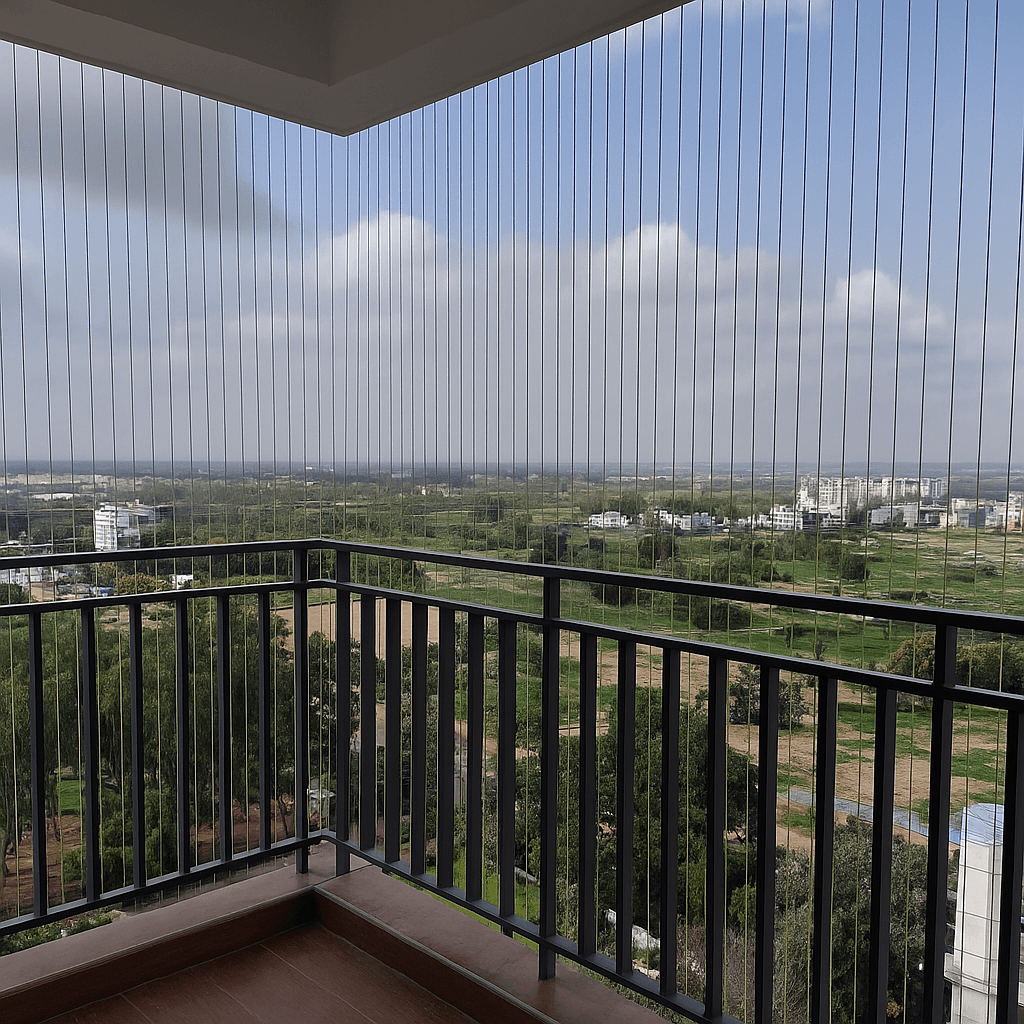
Invisible Grills
Tensioned stainless steel cable barriers that secure balconies and windows without blocking light, airflow or the view.
Premium Invisible Grills & Safety Nets across South & West India.
Service area
Angul district in Odisha covers the administrative area around Angul, including urban centres and surrounding settlements where balcony safety, window protection, and netting specifications follow local building stock and climate.

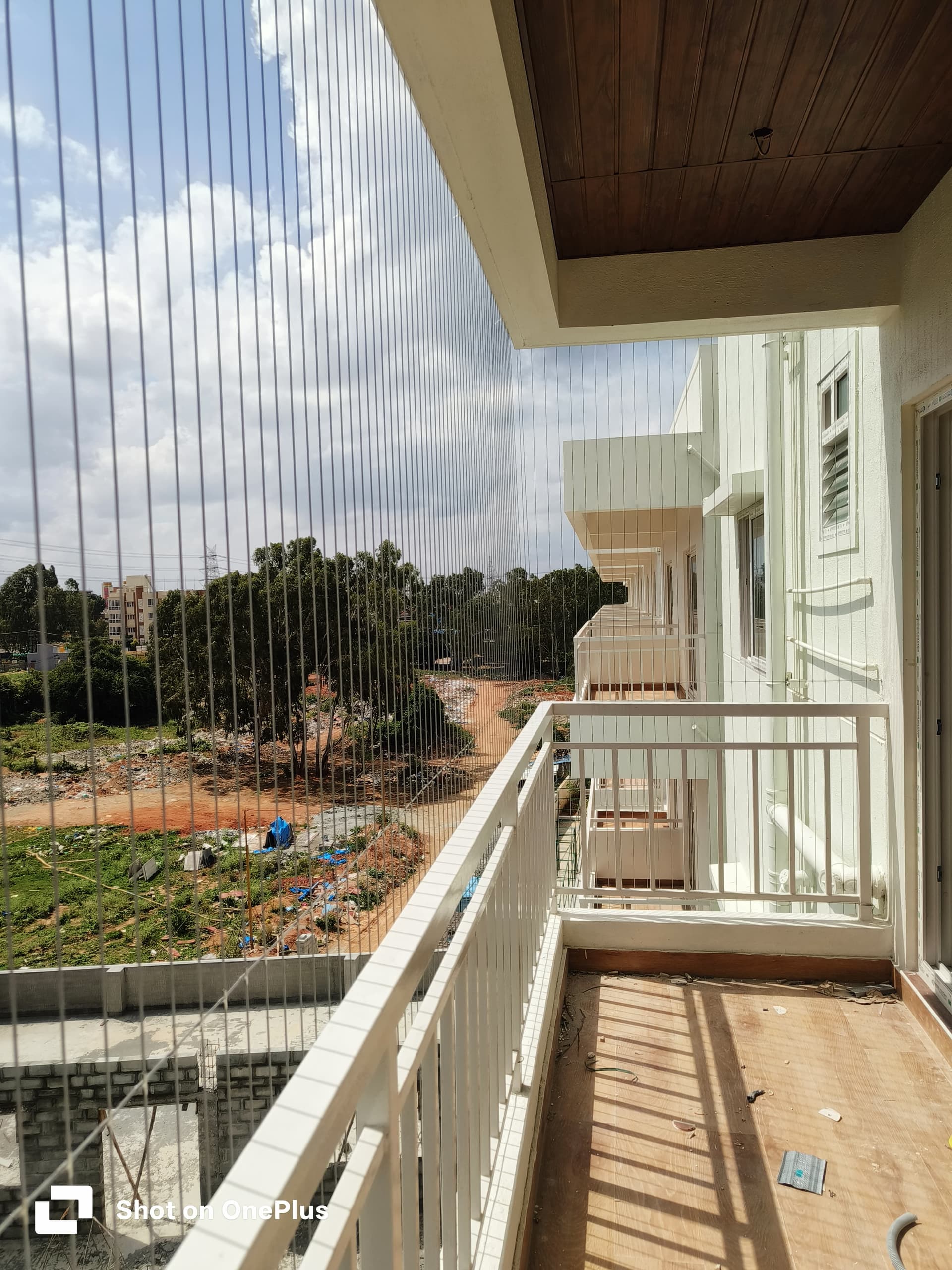
Photo → WhatsApp estimate
One wide shot and a close-up of the fixing surface are enough to confirm coverage, suggest the right system, and outline what should appear on a written quotation before you book a survey. Firm totals still follow measurement on site.
introduction
Angul district in Odisha covers the administrative area around Angul, including urban centres and surrounding settlements where balcony safety, window protection, and netting specifications follow local building stock and climate.
Avensafe Solutions covers 8 services across Angul, Odisha, with city and locality pages where building stock differs within the district.
localConditions
Installations in Angul district are surveyed against local building stock around Angul, association rules in urban pockets, and the climate traits of Odisha.
Hot and humid through most of the year, with a strong south-west monsoon and a pronounced cyclone season between October and December. Design wind speeds along this coast are the highest in our service area, so net anchorage and post foundations are sized for gusts rather than averages, and we recommend a documented inspection after every significant storm rather than only on an annual cycle.
Bhubaneswar and Cuttack are largely mid-rise, with planned apartment development and a substantial stock of independent housing, so access is usually straightforward. The industrial districts add plant structures, risers and sheds where netting is specified for containment duty. Across the state we pay particular attention to the condition of external render, which weathers hard under repeated cyclonic rain.
Headquarters for the district is Angul; crews still route by city cluster and association rules rather than a single pin on the map.
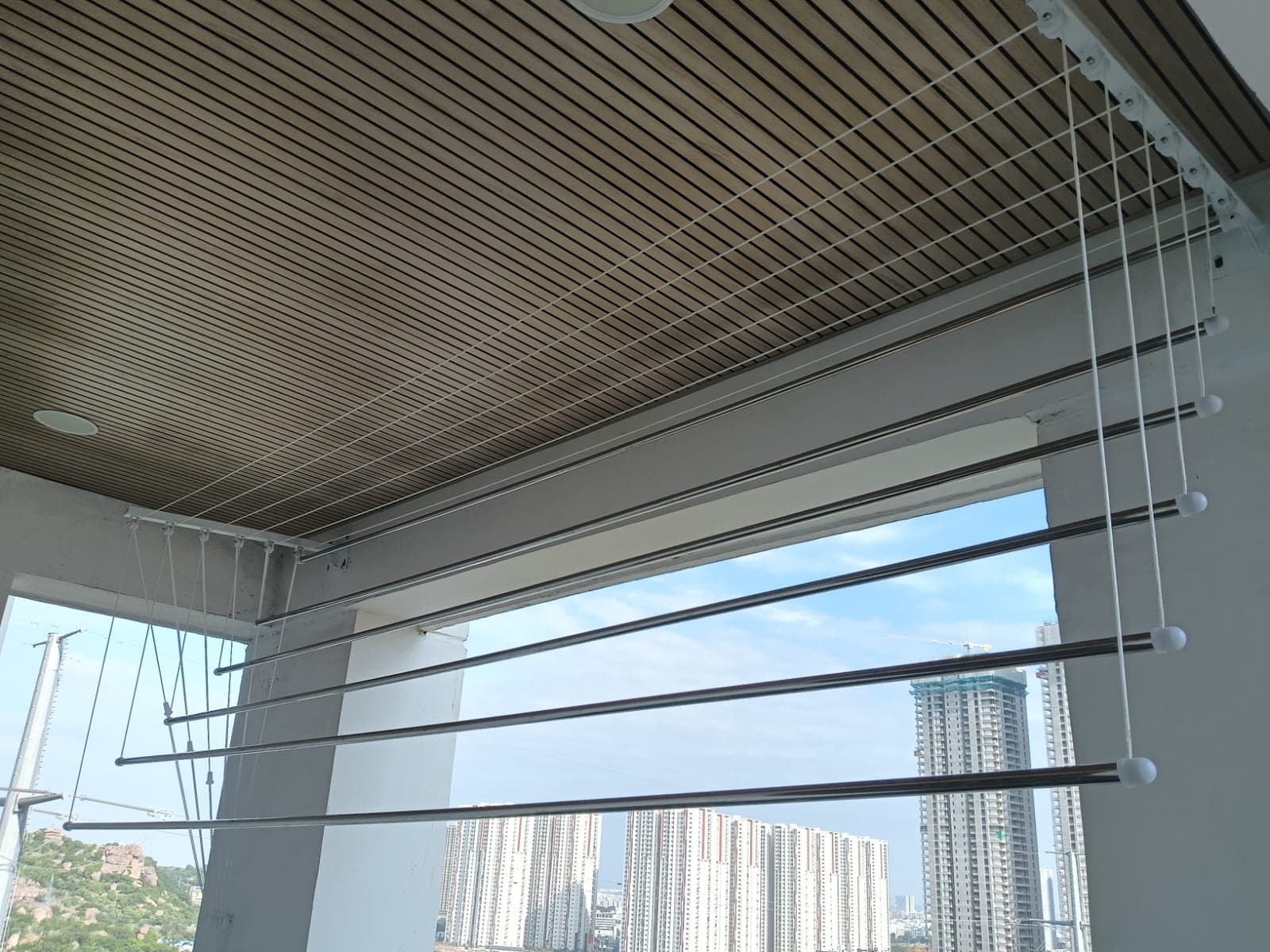
coverage
Angul includes 1 mapped city, including Angul. Open a city page when you need tier, built-form, and locality detail.
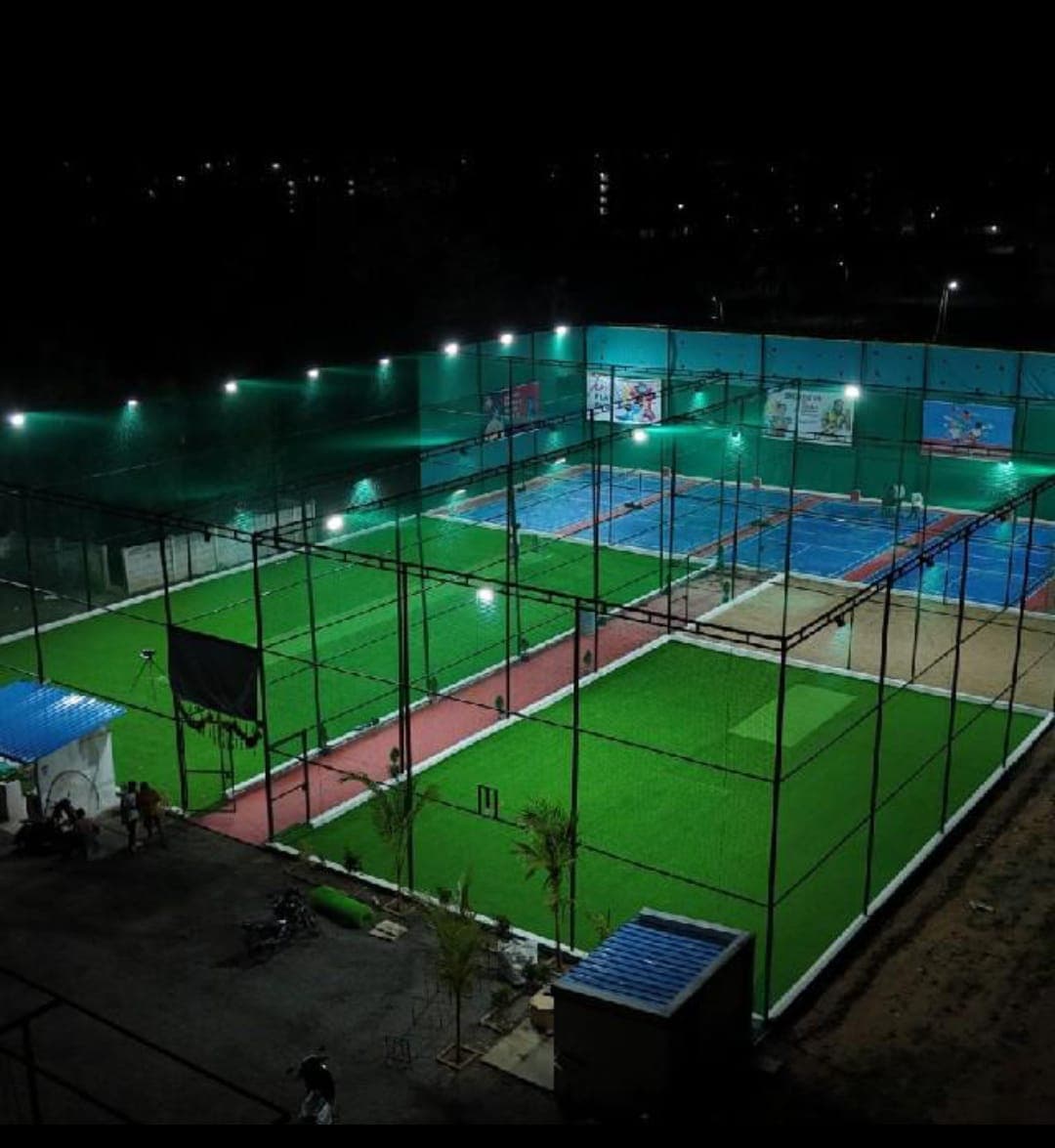
applications
Every service we offer is available across Angul. Grade, spacing, and access follow survey findings in each city cluster.
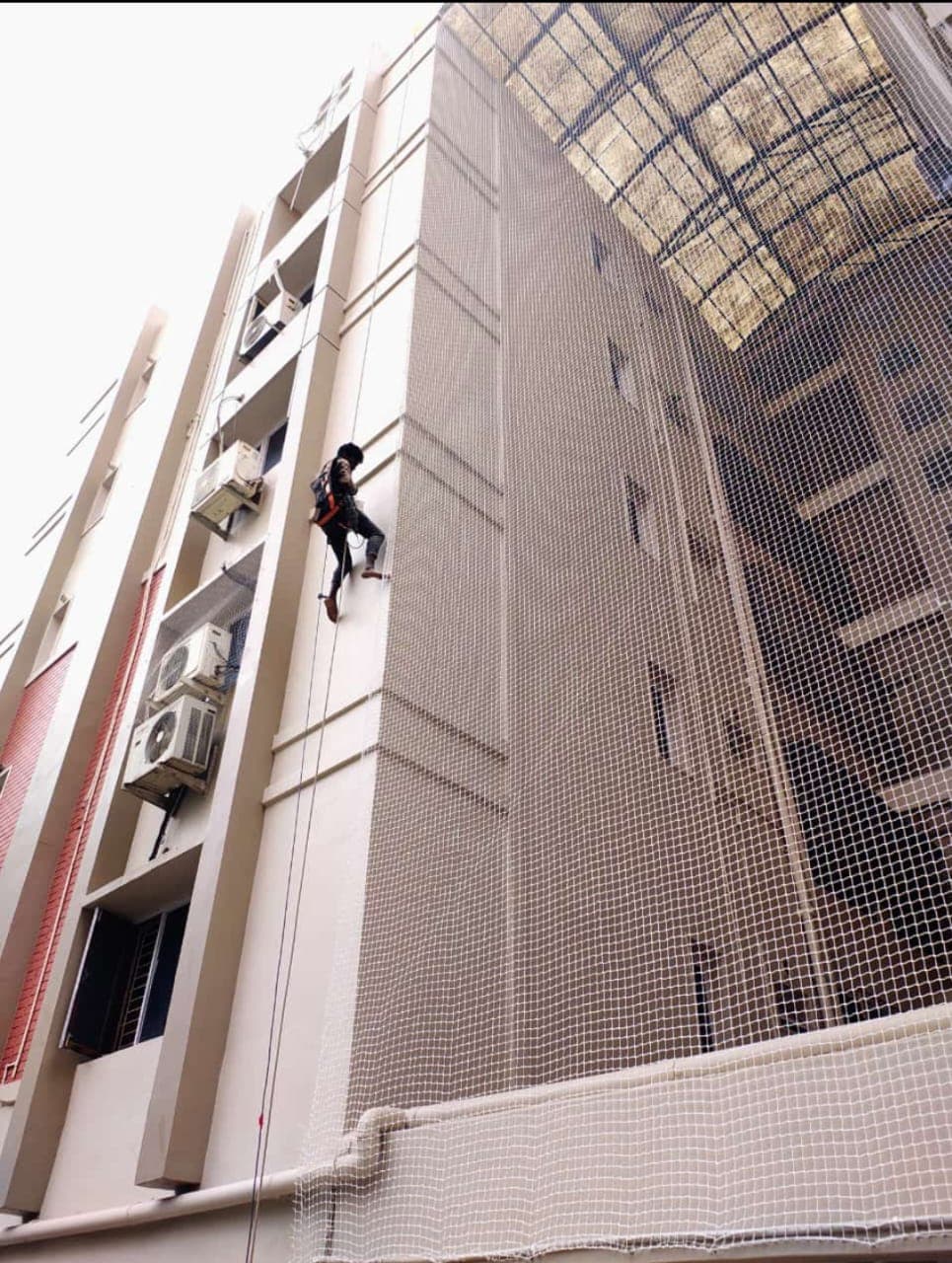
features
District pages sit between state-wide climate notes and city locality pages. The rows below tie each product to Angul using the first mapped city's stock where one exists.
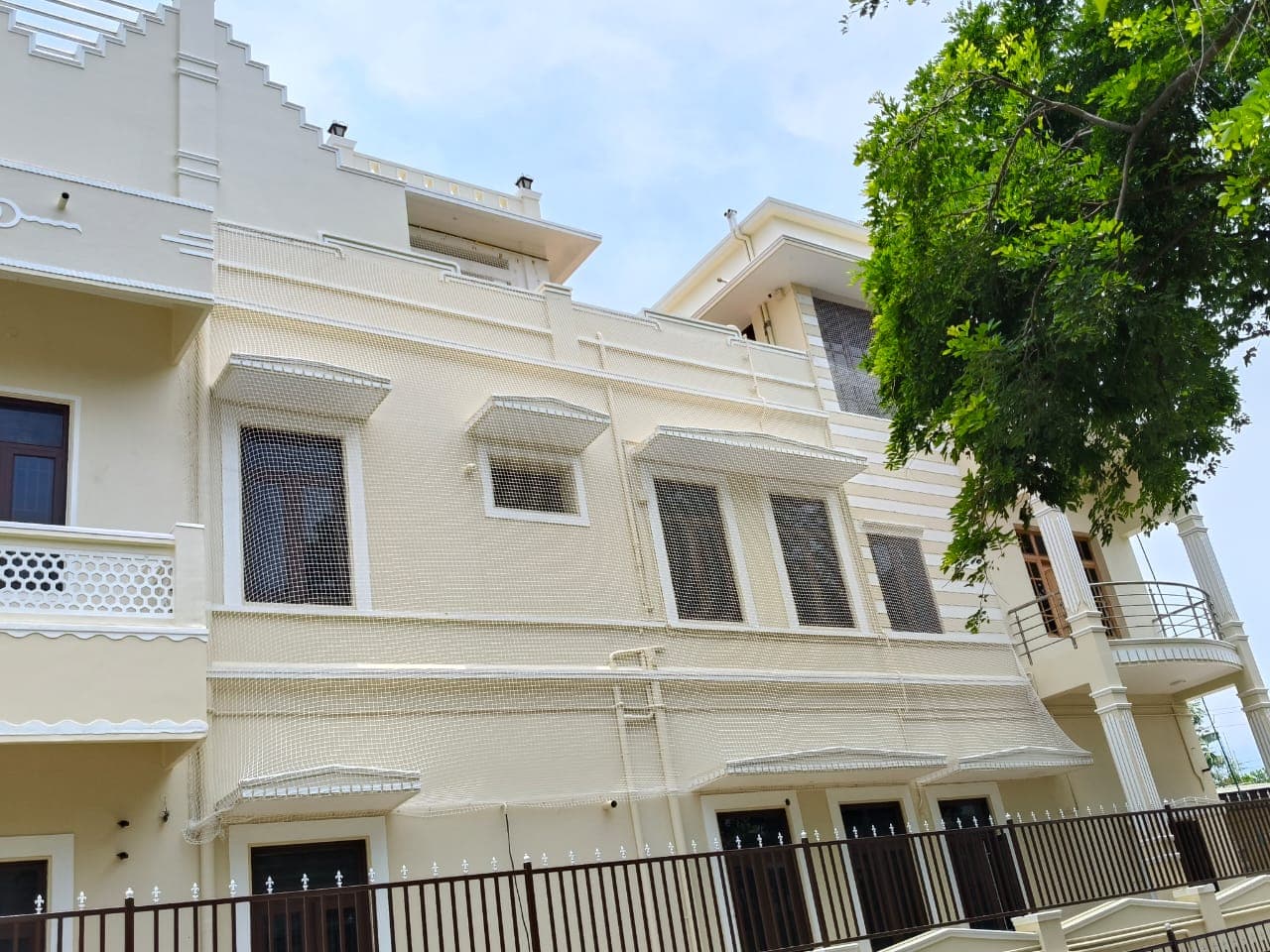
localities
Neighbouring districts share crews and travel patterns with Angul. Compare local considerations when your site sits near a district border.
pricingFactors
Pricing in Angul follows measured openings, hardware grade, access method, and substrate — not a single district-wide rate card. Coastal belts inside Odisha usually push stainless grade up; inland clusters may allow lighter grades where associations permit.
Two homes in the same district can still differ when one is high-rise and the other is independent-house stock. That is why every firm price follows a site survey.
installation
State-wide work in Odisha is specified from local climate notes on each city page rather than from one national datasheet.
Confirm city and address
We batch travel across Angul so small jobs are not penalised by district size.
Survey and written scope
Grade, spacing, fixings, and access are written before fabrication.
Install and handover
Tension or mesh checks and warranty basis are explained before we leave.
maintenance
Inspection intervals follow Odisha climate: check anchors after heavy monsoon seasons in wet belts, and keep to the product interval elsewhere if the first season after install looks clean.
whyChoose
enquiry
Share your city or town name inside Angul, photos of each opening, and any association rules. That is enough to schedule a survey without guessing materials.
Send location and photos
Include floor level and lift access if you are in a high-rise cluster inside Angul.
Survey visit
We measure each opening and write grade, spacing, and fixings on the quotation.
Install slot
We confirm association drilling windows before locking the install date.
More ways to make your space work
Start with the job the opening needs to do. Each page keeps its own specification notes — not a copied national paragraph.
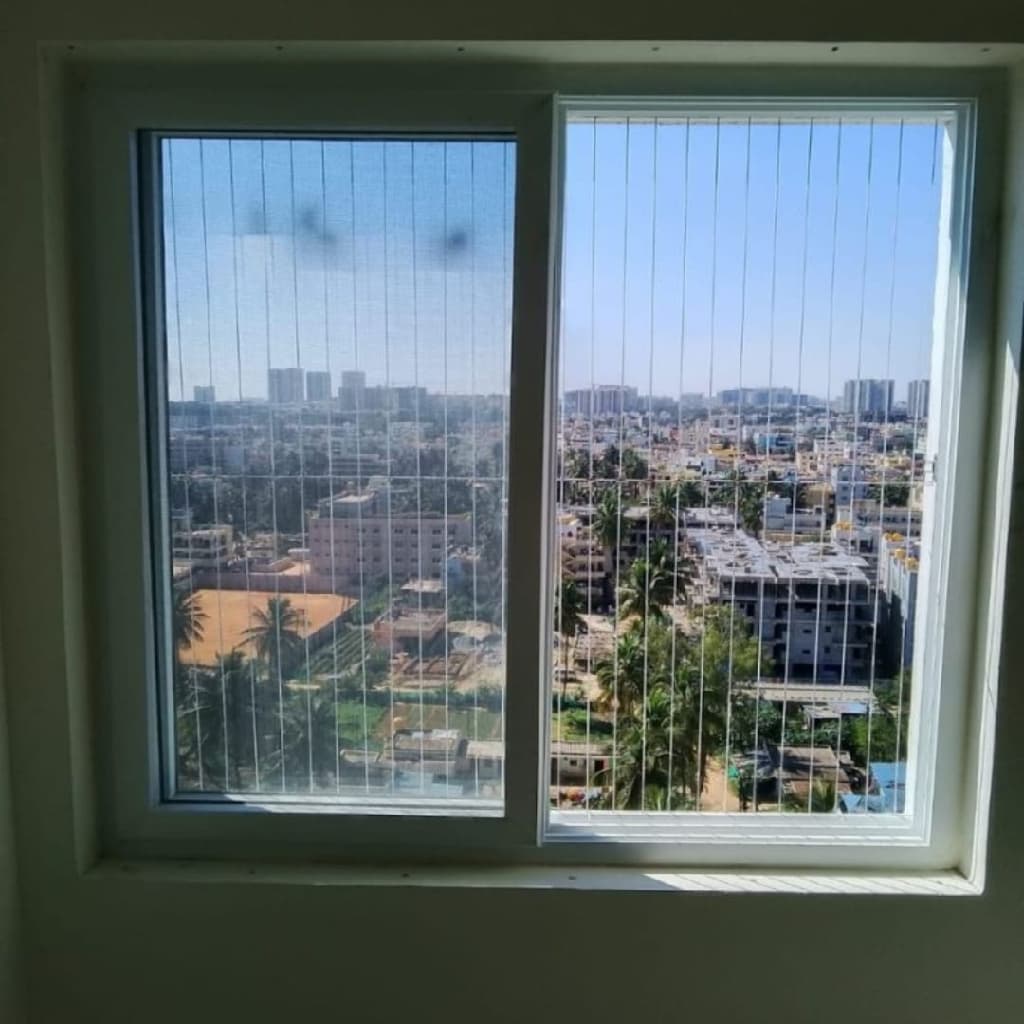
Tensioned stainless steel cable barriers that secure balconies and windows without blocking light, airflow or the view.
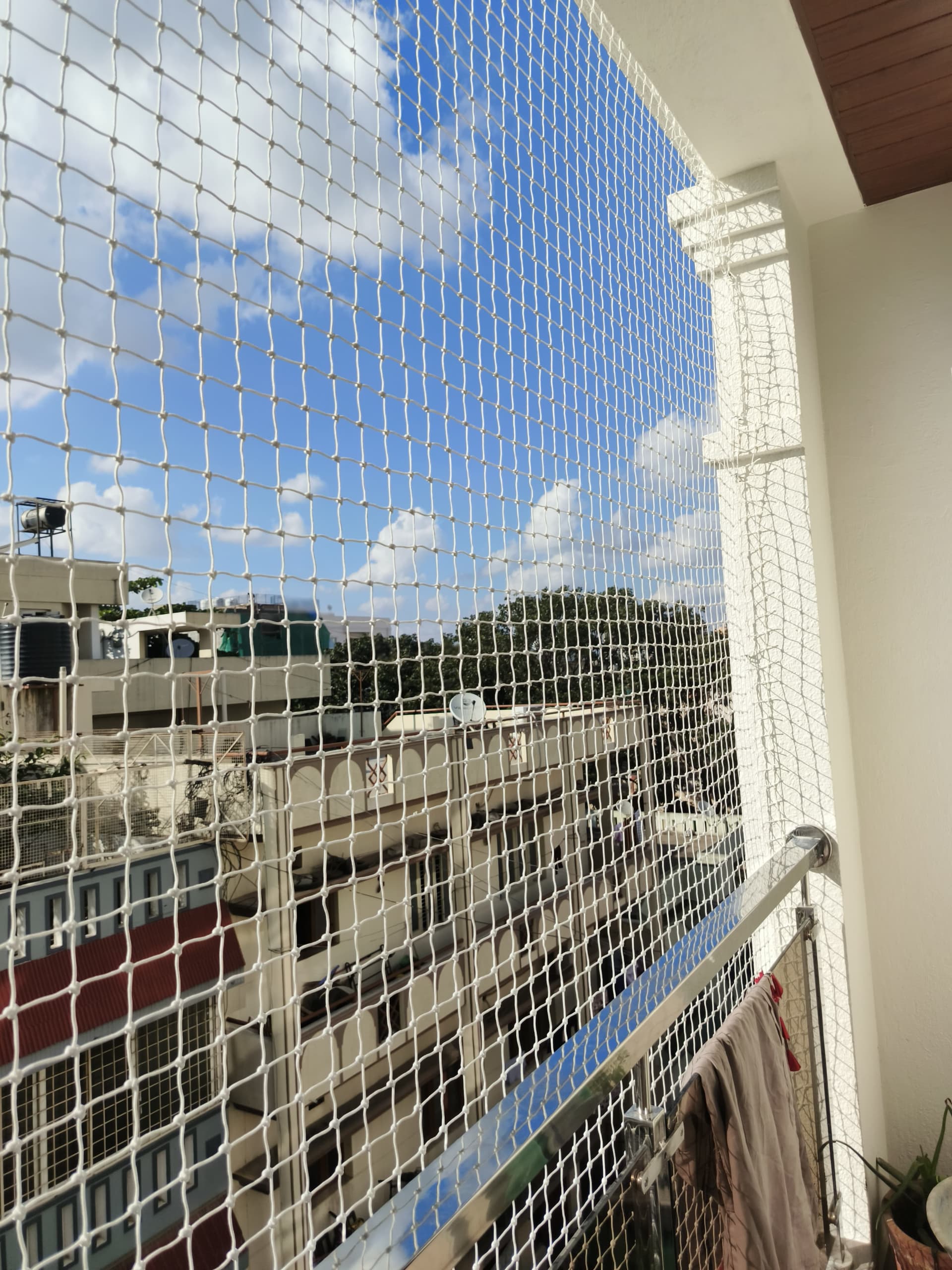
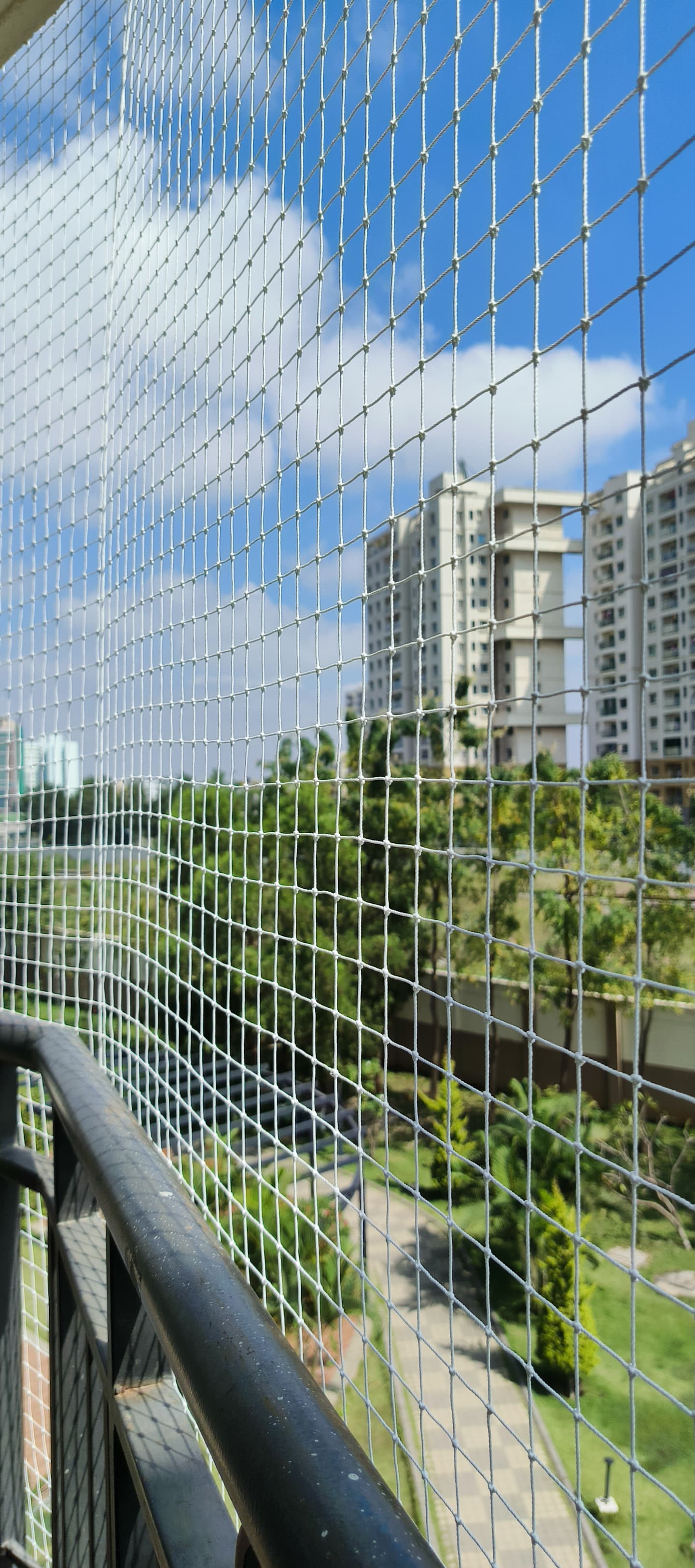
UV-stabilised knotted nets fitted to balconies, shafts and open edges to catch falling people, objects and birds.
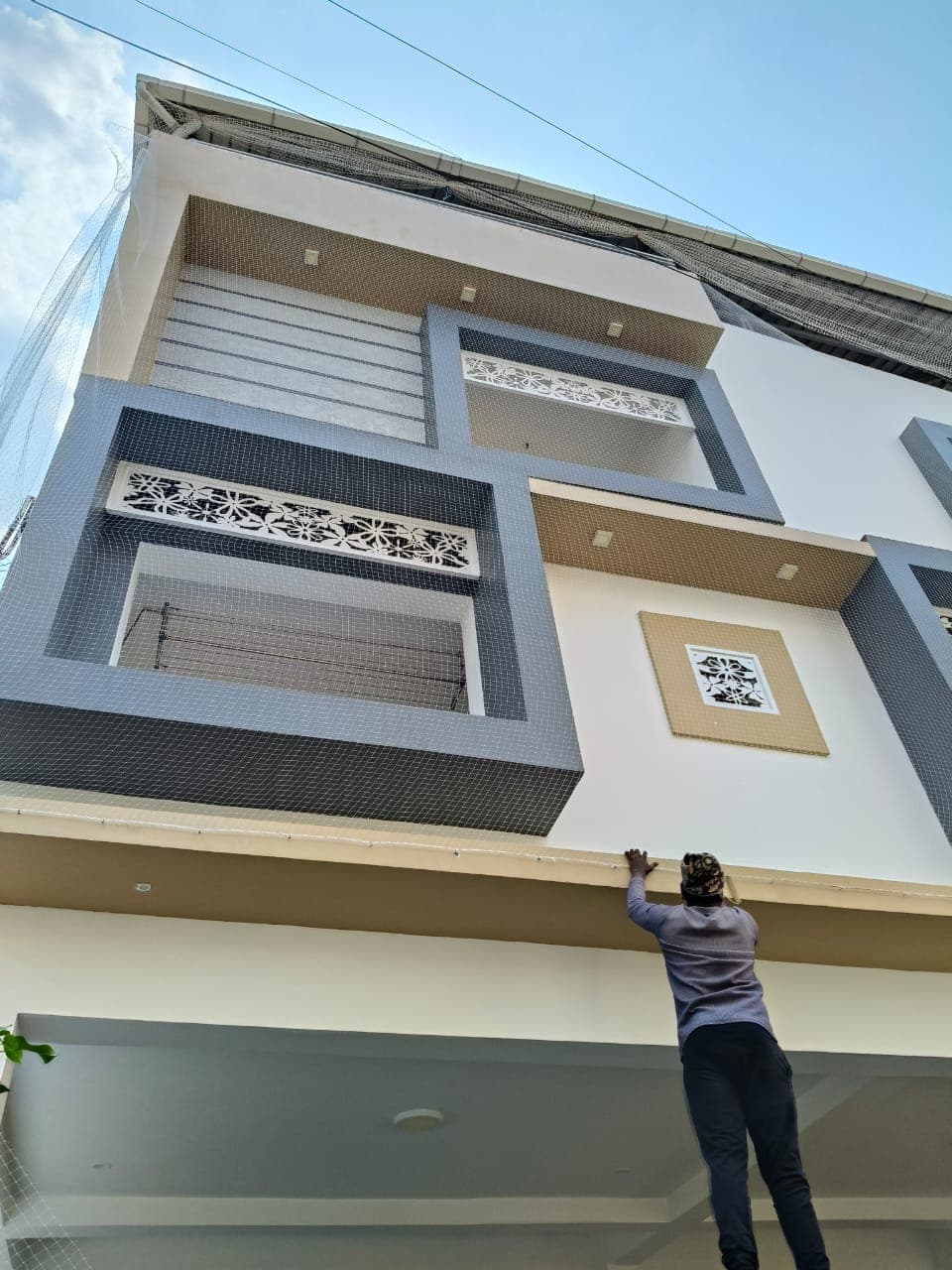
Purpose-built balcony enclosure nets for apartments, villas, and high-rise bays — sized for child safety, pet containment, and everyday fall protection.
Fine-mesh bird and pigeon exclusion nets for balconies, windows, ledges, and duct mouths — specified to deny nesting without pretending to be a fall-arrest system.
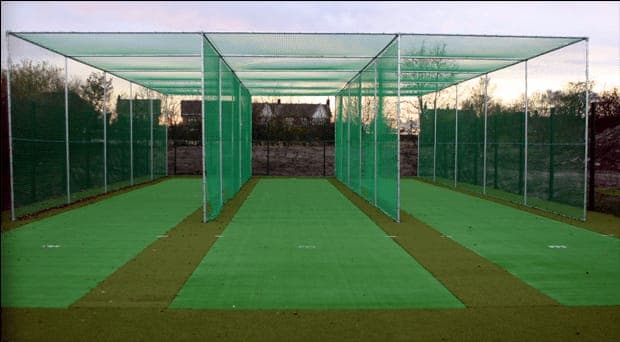
Impact-rated barrier and containment netting for cricket practice, turf grounds, terraces and multi-sport courts.
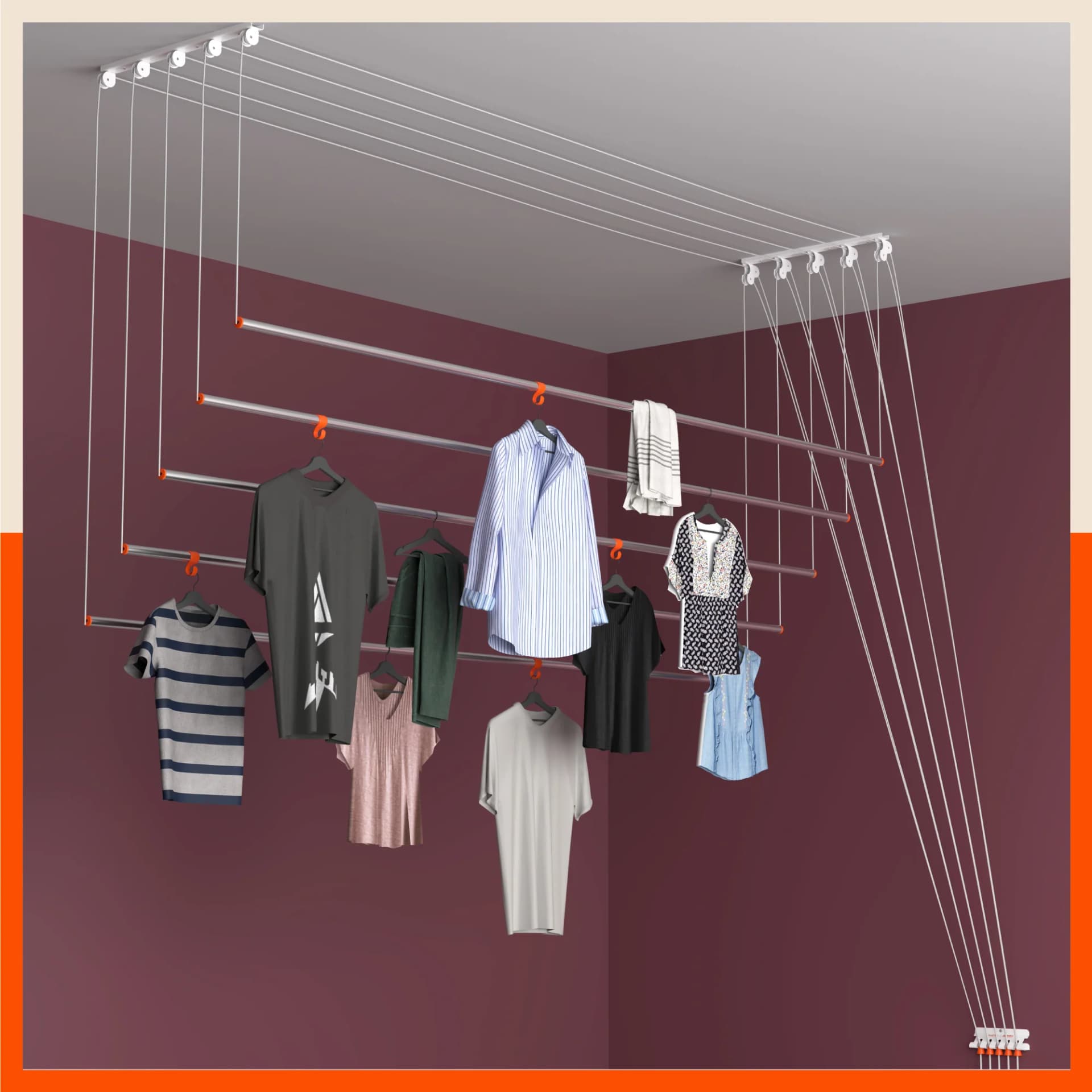
Ceiling-mounted pulley, wall-mounted retractable and telescopic drying systems sized to the balcony and the load.
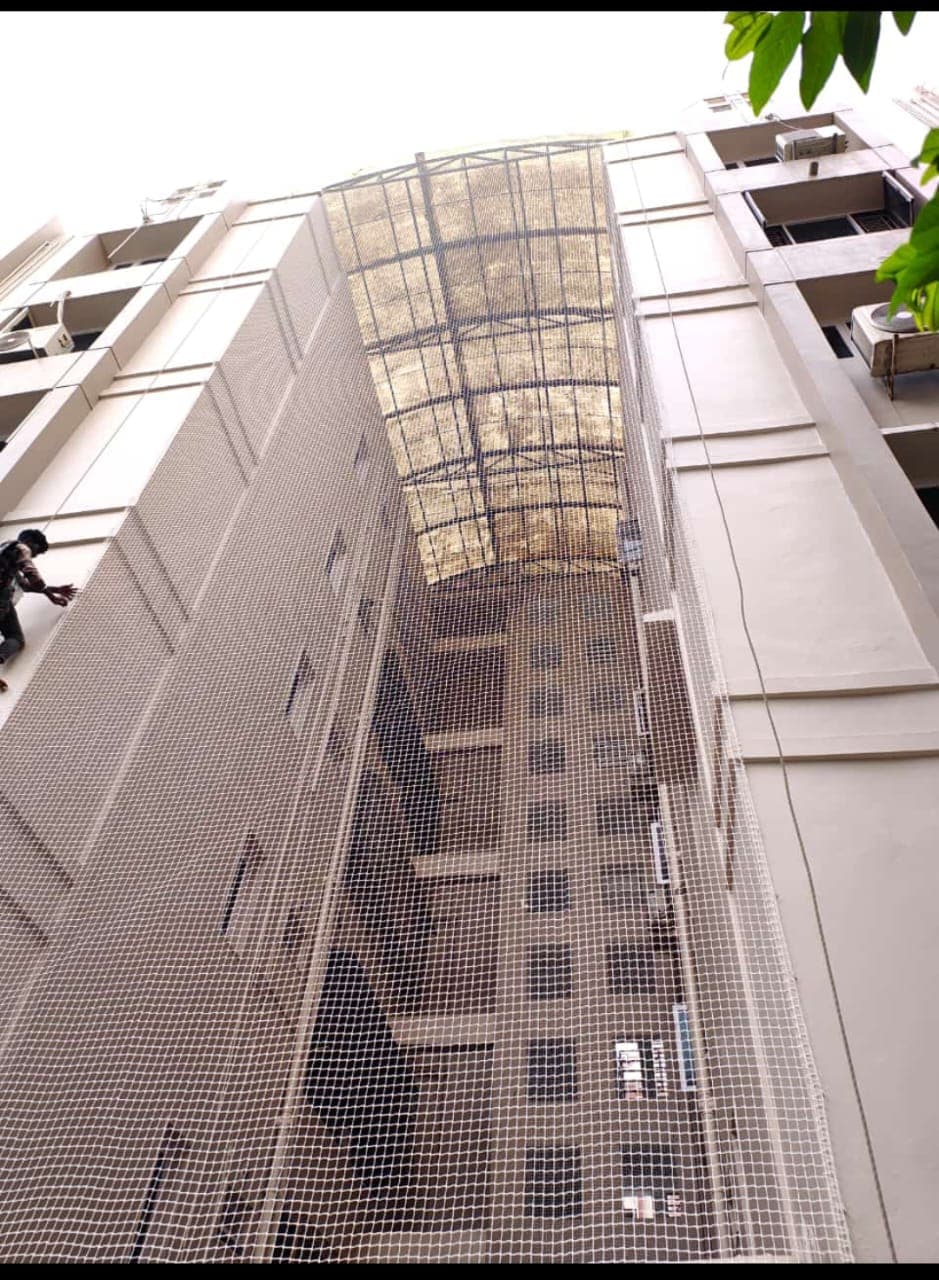
Nets fitted across service shafts and duct openings to stop falling objects, bird nesting and refuse accumulation.
Facade and scaffold sheeting that contains debris, dust and tools during construction, repair and painting work.
Planned around your opening
A balcony, a utility opening and a practice area each need a different approach. We consider how the space is used, where the fitting can be secured and how you will access it afterwards.
Materials chosen for the intended use
Cable grade, mesh denier, and hardware are named for the job — view, children, birds, or sports — not a generic pack.
A plan for edges, corners and access
Fixing surfaces, returns, and how you will open or clean the space are decided before anyone starts drilling.
Clear fitting scope before work begins
The written quote lists measured openings, included labour, and exclusions so you can compare vendors fairly.
Our work
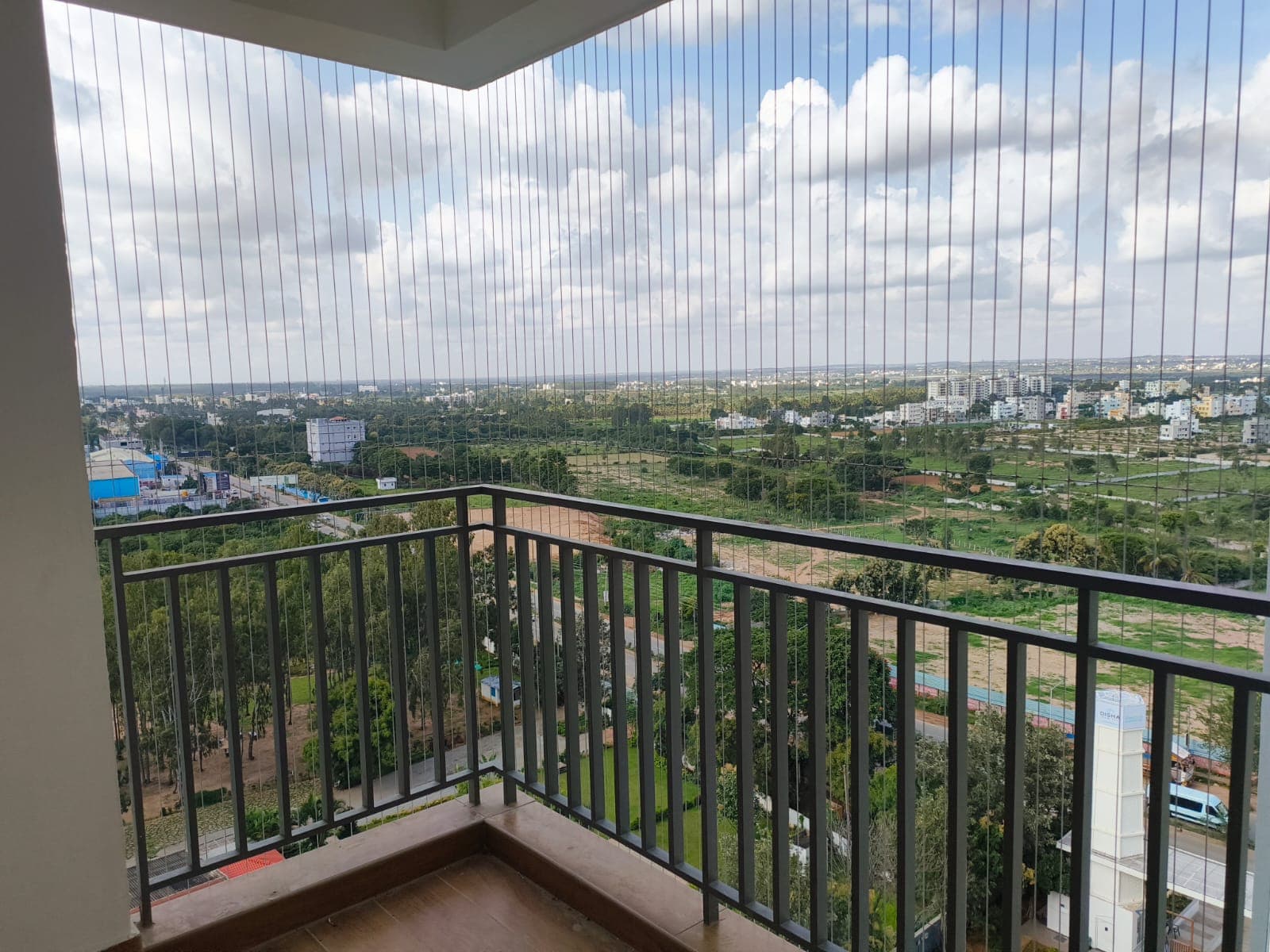
Installation photography from comparable openings — used to judge finish quality before you book a survey.
We deliberately do not, because a single rate would be misleading. The same area costs very different amounts depending on the grade of hardware, the spacing you need, the height you are working at and the condition of the substrate. Our pricing guide sets out every factor that moves the number so you can see how a quotation is built up.
A properly stabilised net in a moderate climate should give several years of service, and considerably longer where it is shaded. The way to judge it is by feel rather than by date: twine that has become stiff or chalky and snaps instead of stretching has reached the end of its life and should be replaced.
We cover the localities listed on our service area pages, and those lists reflect where we genuinely operate rather than everywhere we would like to. If your locality is not listed, call us anyway: we often work just beyond a listed boundary, and we will tell you plainly if a job is outside our reach rather than sending someone unprepared.
Almost always because the specifications are different, even when the dimensions are identical. Cable grade, cable spacing, net polymer and the type of anchor used all change the cost substantially and none of them are visible in a photograph. When comparing quotations, check the stated grade and spacing rather than the total alone.
Not necessarily, though it depends on the job. Cable and net installations can be fitted in the wet season without difficulty. Facade covering and anything involving foundations is better scheduled outside it. Where we do install during the monsoon we will normally return once the season ends to re-tension, since that is when any slack appears.
Once a year is right for most installations, and it is largely something you can do yourself: press the cables or net at mid-span to feel for slack, look at the anchor points for rust weeping or hairline cracking, and wash the surfaces down. In coastal and cyclone-exposed locations we recommend an additional check after the wet season.
Substantially. Chloride in coastal air pits ordinary stainless, so we move to AISI 316 cable and use stainless fittings throughout, and we avoid galvanised hardware entirely. We also seal terminations and detail them so water drains away rather than sitting against the wall, because that is where coastal installations usually fail first.
Sometimes. Moving from 316 to 304 stainless is a genuine saving and perfectly sound at an inland address, and a coarser mesh is fine if you only need to keep birds out. What we will not do is reduce cable spacing tolerance or anchor quality, because those are the two things that decide whether the installation actually holds.
In most gated communities and housing societies, yes, because anything fixed to an external wall or balcony counts as a facade alteration. We can supply the drawings and material specification you need to submit. It is worth starting that process early, since approval usually takes longer than the installation itself.
It needs attention but rarely means replacement. Slack in a cable widens the gap under load, which is the thing a barrier exists to prevent, and slack in a net lets it whip and abrade against fixings. Both are usually corrected by re-tensioning at the existing hardware, which is a short visit rather than a new installation.
A cloth hanger is usually done in an hour or two. A single balcony safety net takes two to six hours, and an invisible grill on one or two bays takes most of a working day. Larger jobs such as sports enclosures or building covering run to several days because foundations and scaffold have to be dealt with first.
For anything structural we do, yes. We can give an indicative range over the phone from your balcony dimensions, but the final price depends on the condition of the wall or slab we are fixing into, the access route for materials, and the exact spacing you need. A survey takes about twenty minutes and means the quotation we give you is the price you pay.
Explore more
Continue this service, compare nearby locations, or open a buyer guide — every cluster is unique to this page.
2 sections
1 sections
1 sections
2 sections
1 sections
Conversion
Send a photo, book a callback, or call the team — we reply with the right system options for your opening.
Photo estimate
WhatsApp a balcony, window, or duct photo with your city. We reply with the system options that fit and what a written quote should include — no rate-card guesswork.