
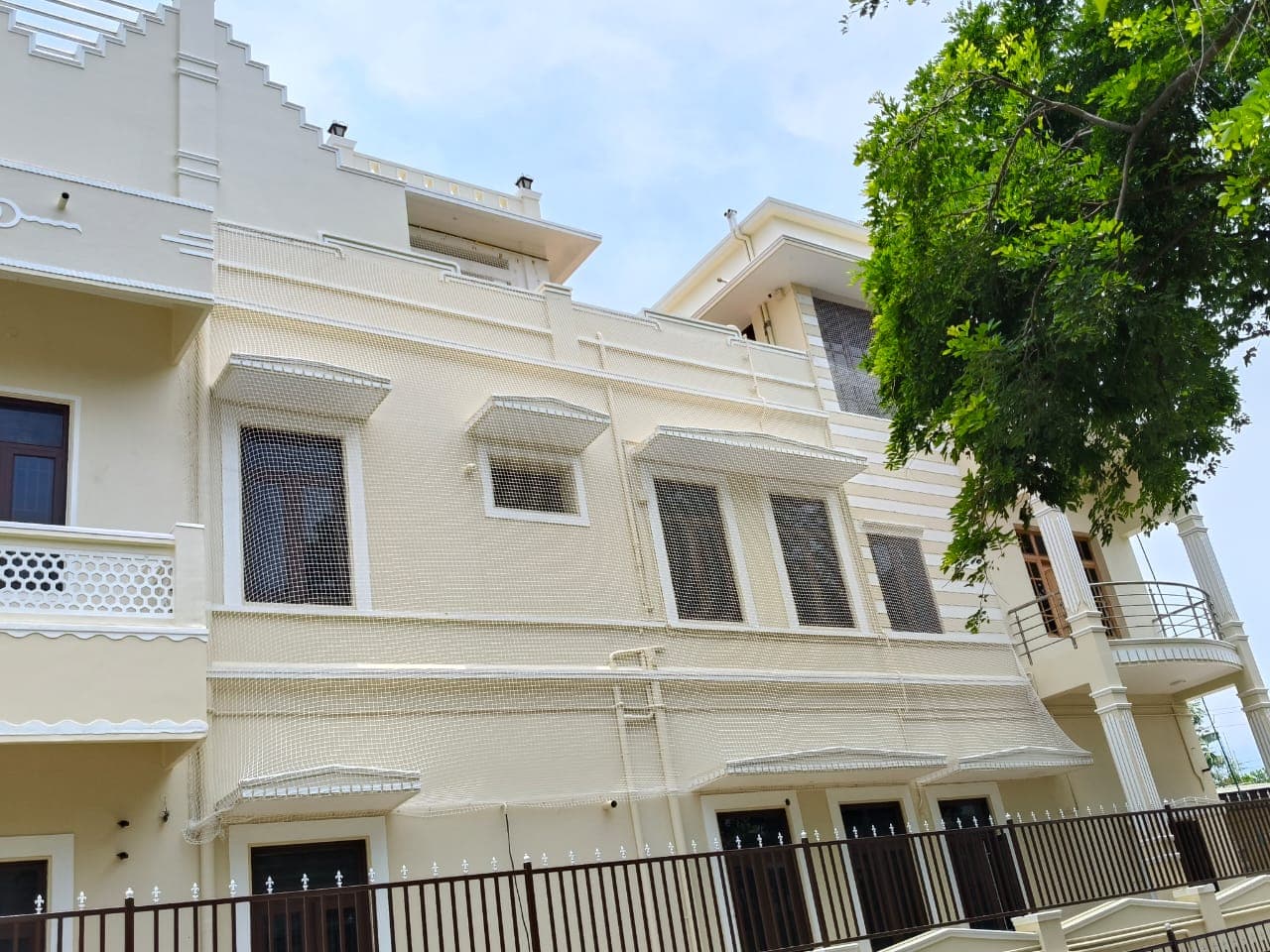
Building Covering Nets
Facade and scaffold sheeting that contains debris, dust and tools during construction, repair and painting work.
Premium Invisible Grills & Safety Nets across South & West India.
Suryapet, Telangana
This page is about how installation is planned and executed on site: survey, specification, fixing method, and handover. Timelines and access requirements vary by building, so what follows is what we actually do rather than a generic process diagram. In Suryapet, Telangana, Contains falling debris, tools and dust during facade work so the public, vehicles and neighbouring property are protected.
How it works
Share photo
City + opening photo is enough to start
Site survey
Measure openings and check fixing surface
Written quote
Grade, spacing, and scope in writing
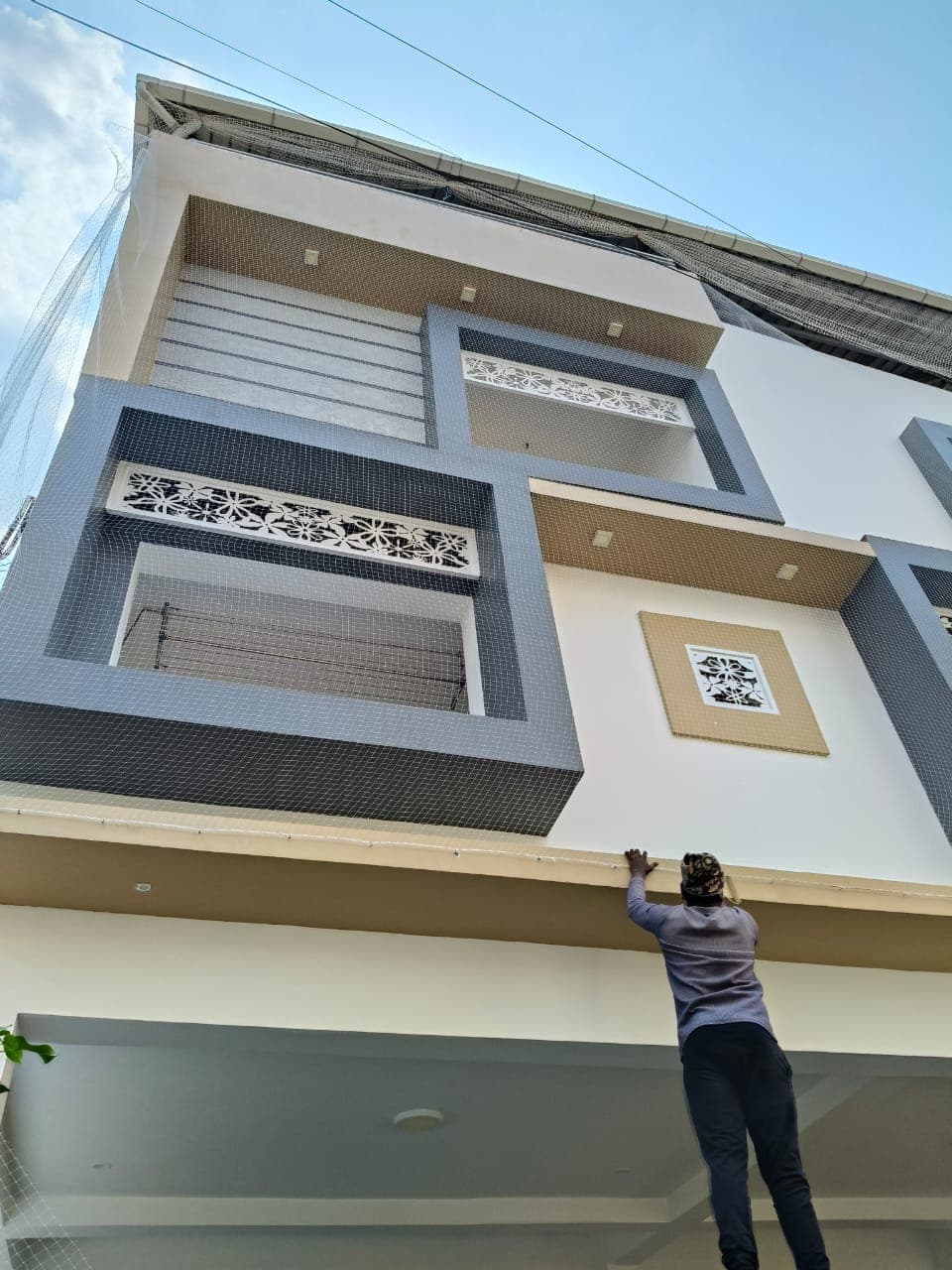
Install & hand over
Fit, tension check, and walkthrough
Every service below has its own page for Suryapet — open any to compare systems.
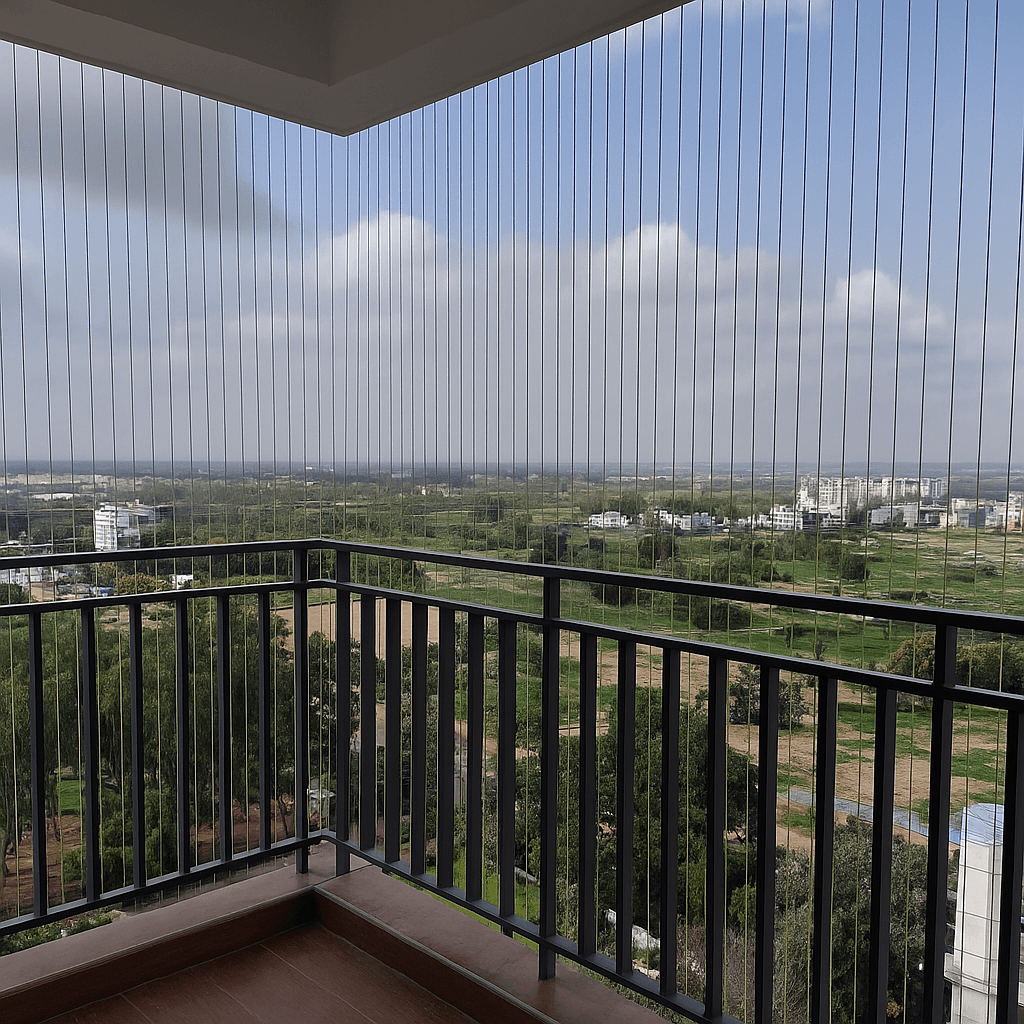
Invisible grills
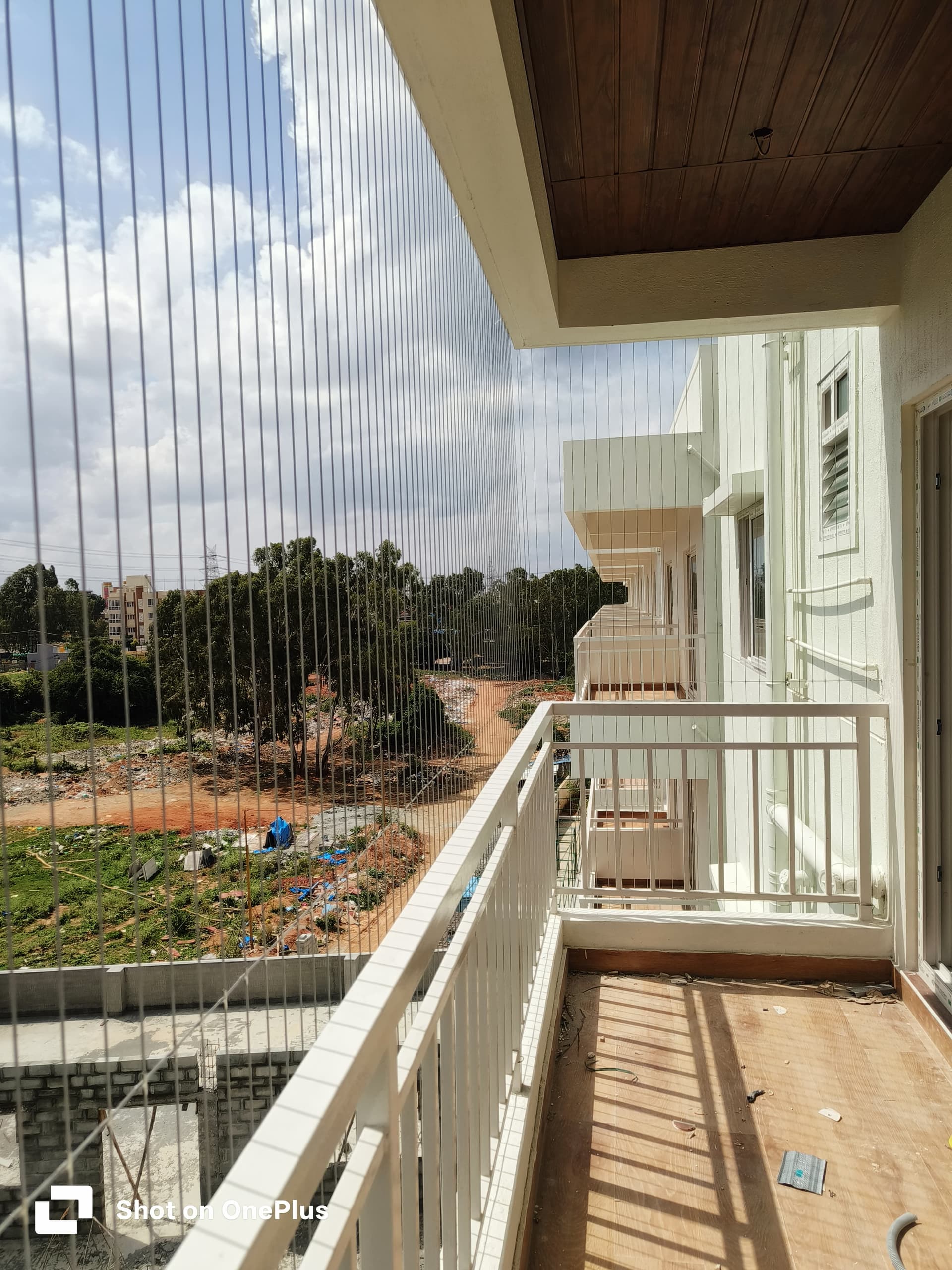
Tensioned stainless steel cable barriers that secure balconies and windows without blocking light, airflow or the view.
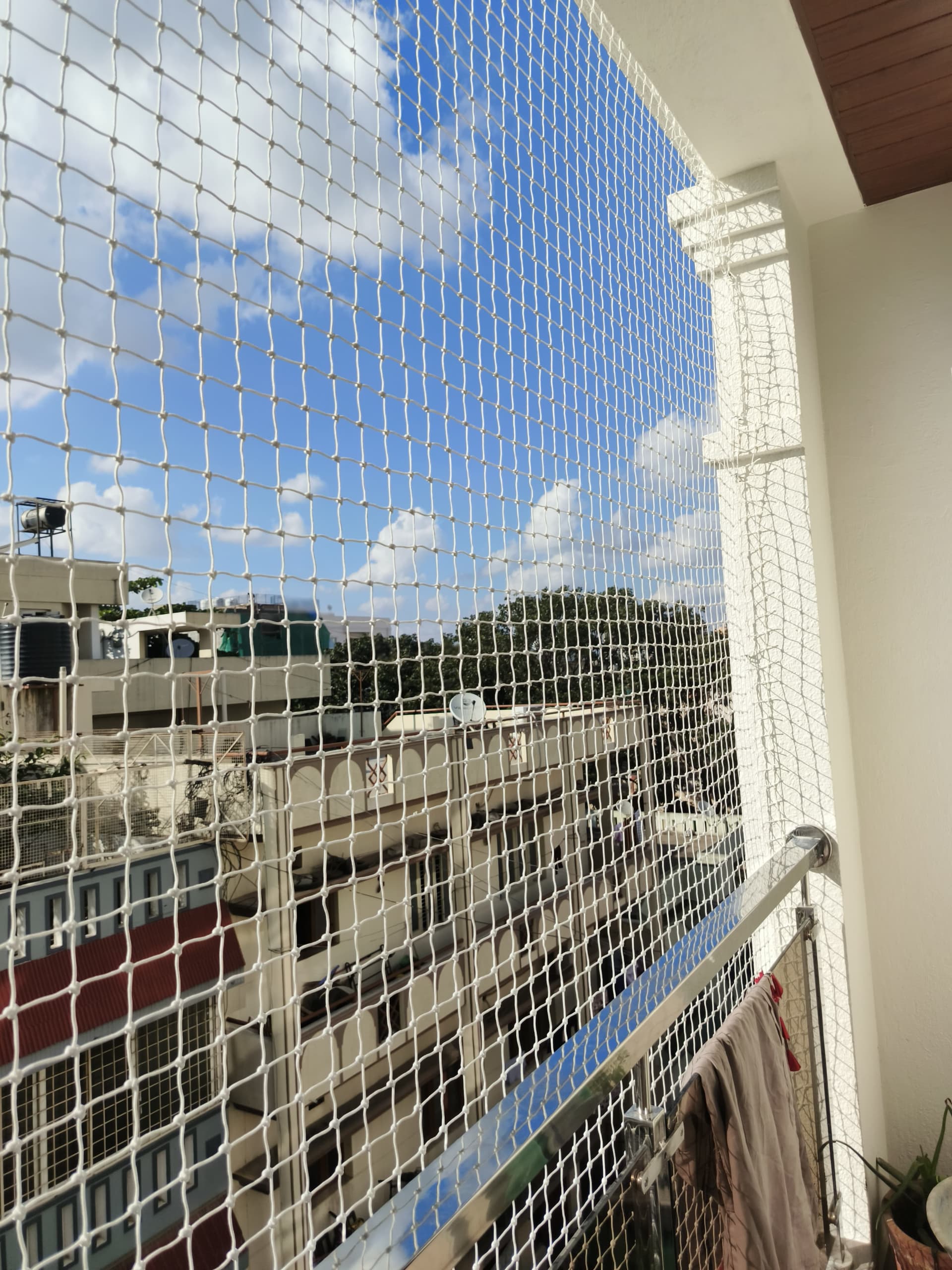
Safety nets
UV-stabilised knotted nets fitted to balconies, shafts and open edges to catch falling people, objects and birds.
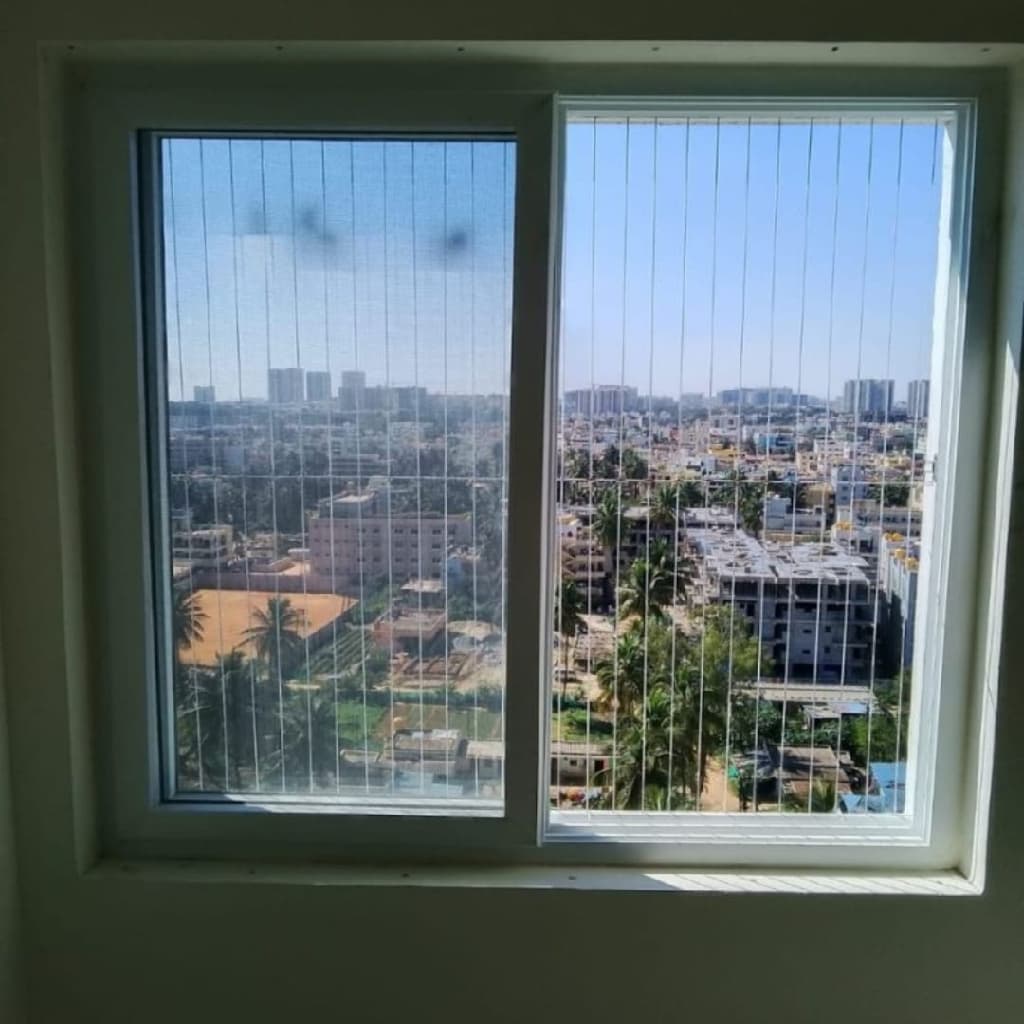
Balcony nets
Purpose-built balcony enclosure nets for apartments, villas, and high-rise bays — sized for child safety, pet containment, and everyday fall protection.
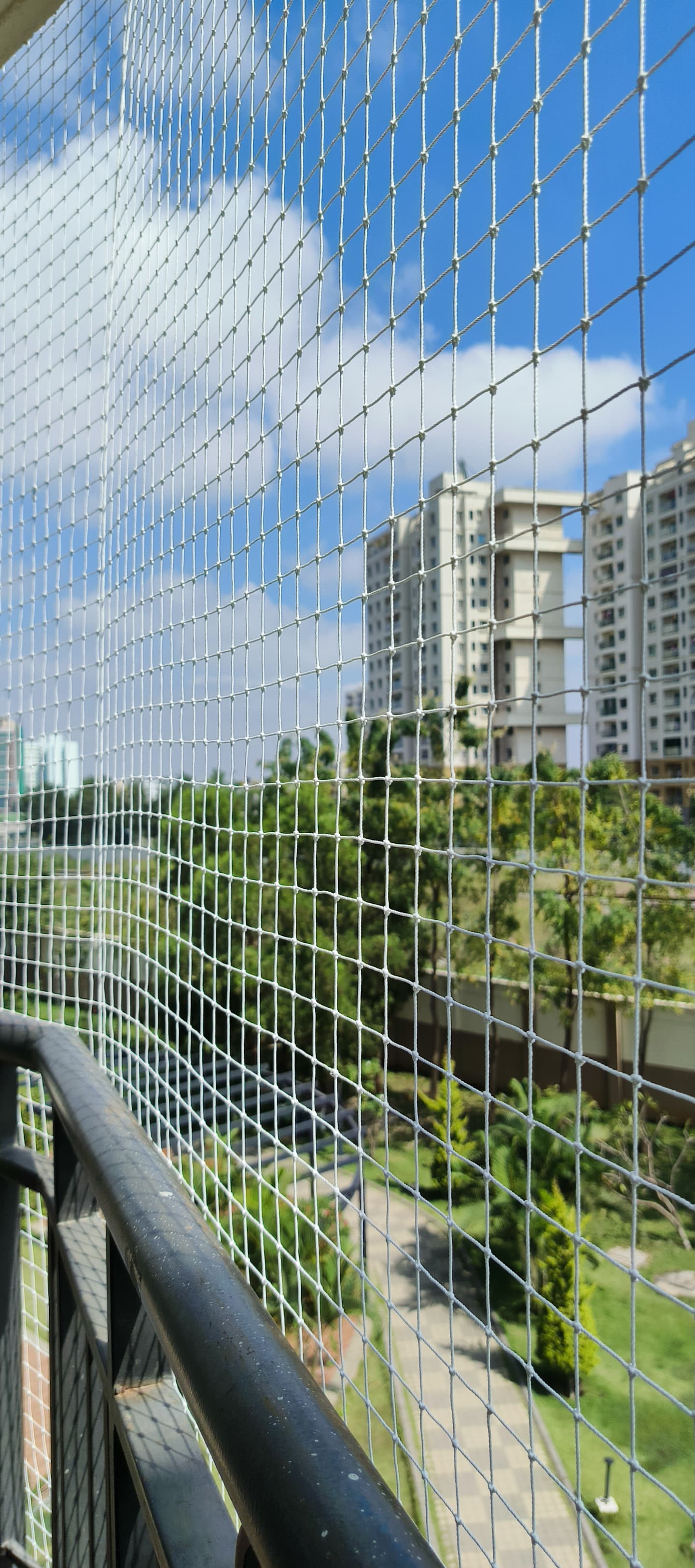
Bird and pigeon nets
Fine-mesh bird and pigeon exclusion nets for balconies, windows, ledges, and duct mouths — specified to deny nesting without pretending to be a fall-arrest system.
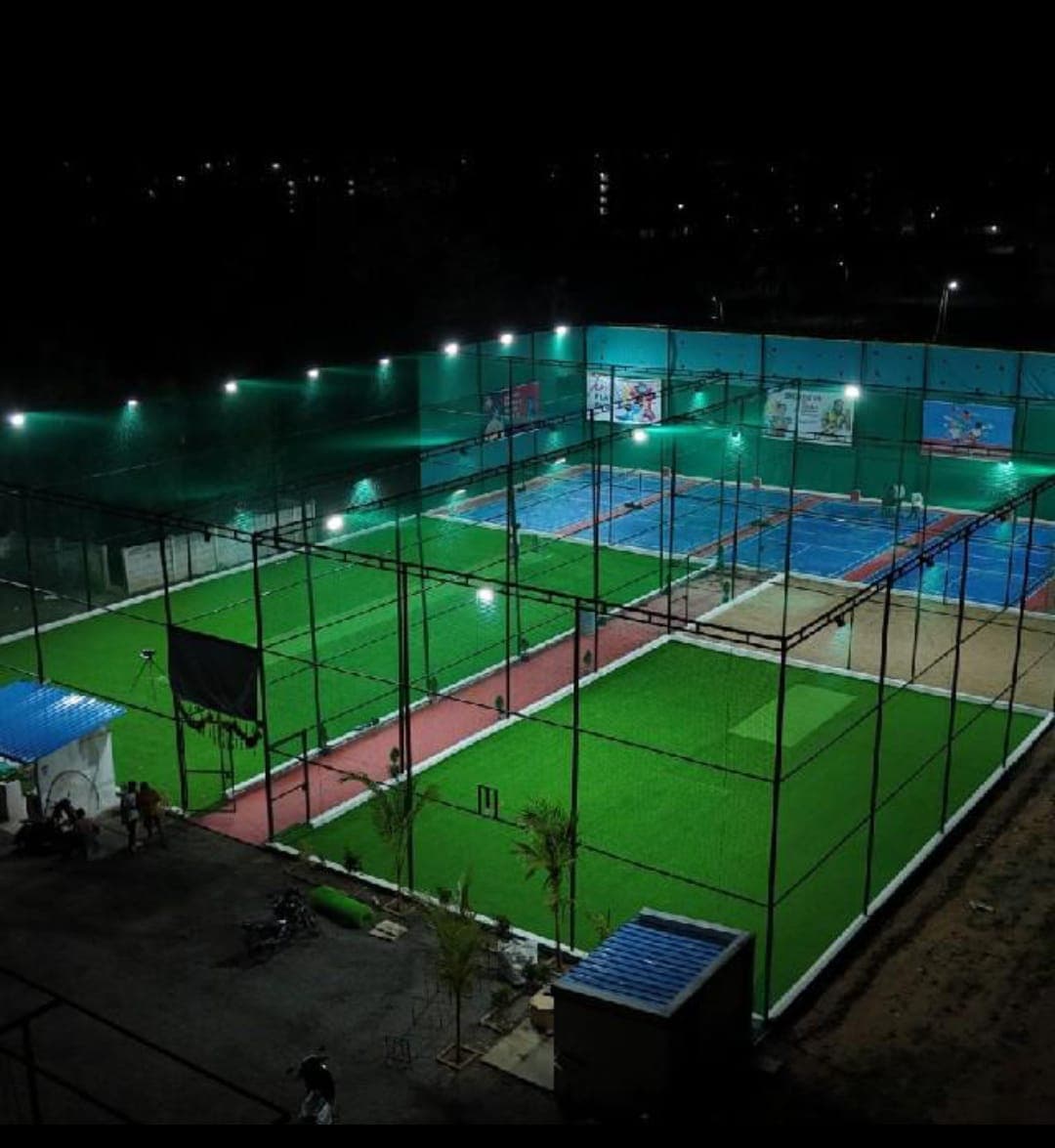
Sports nets
Impact-rated barrier and containment netting for cricket practice, turf grounds, terraces and multi-sport courts.
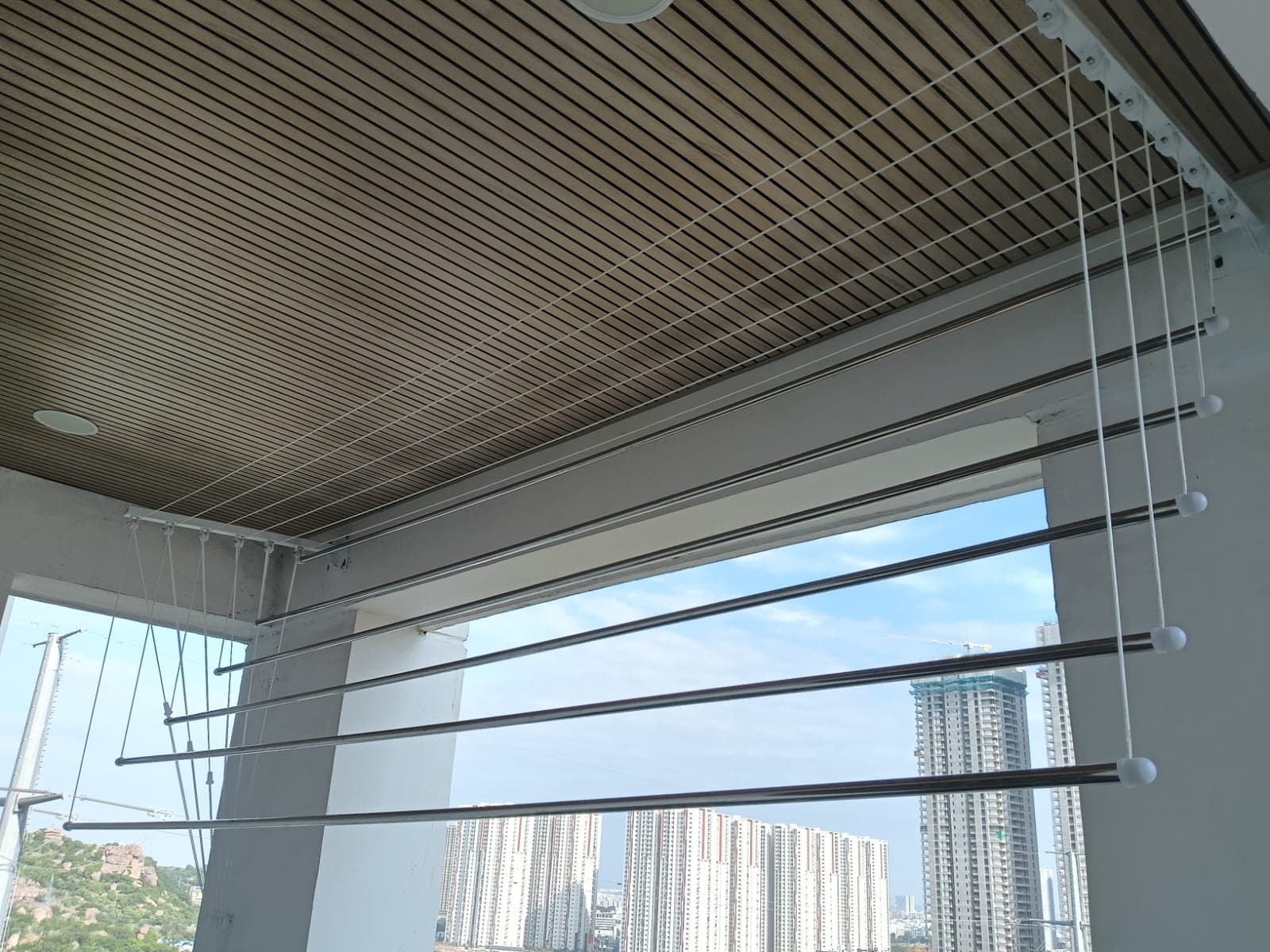
Cloth hangers
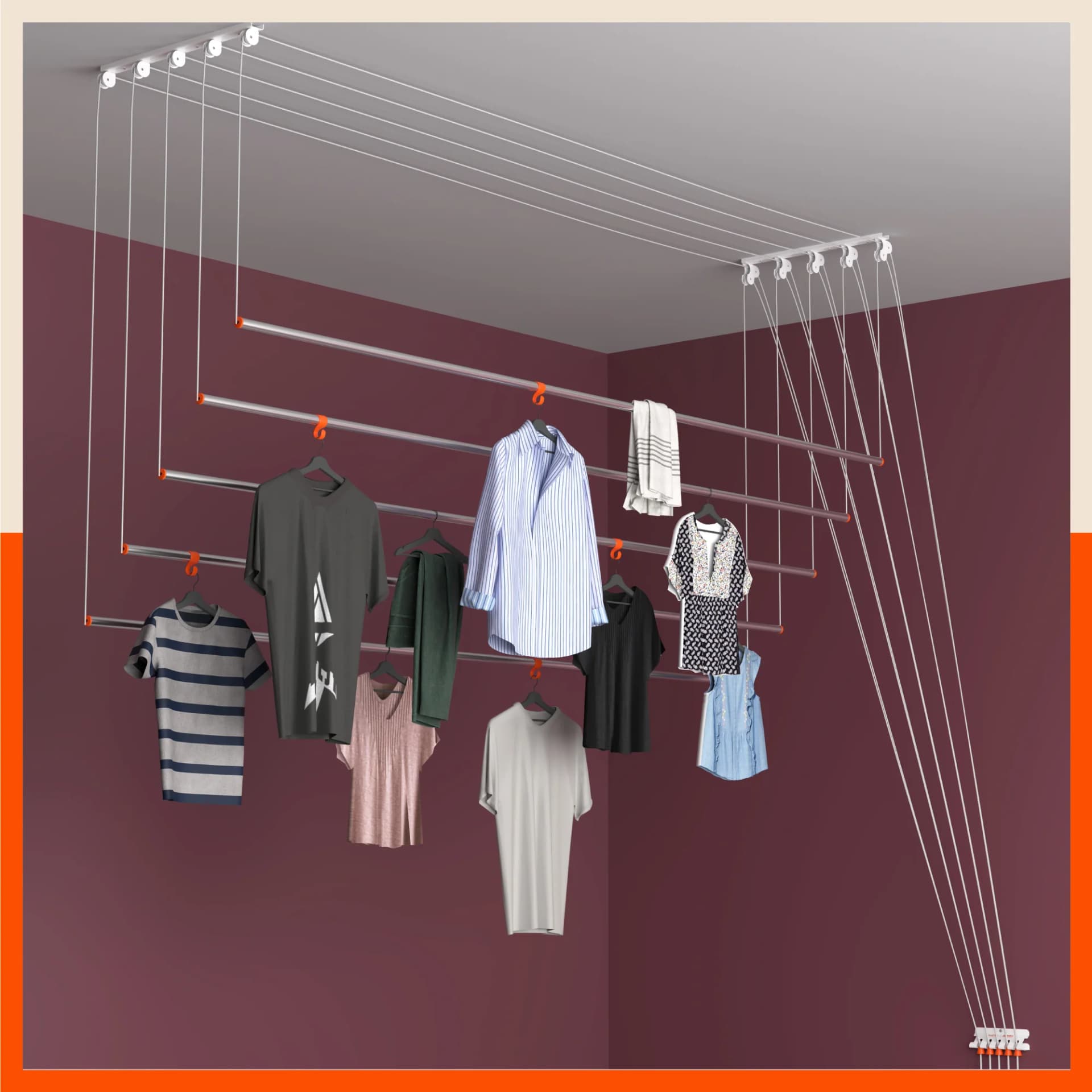
Ceiling-mounted pulley, wall-mounted retractable and telescopic drying systems sized to the balcony and the load.
Duct area nets
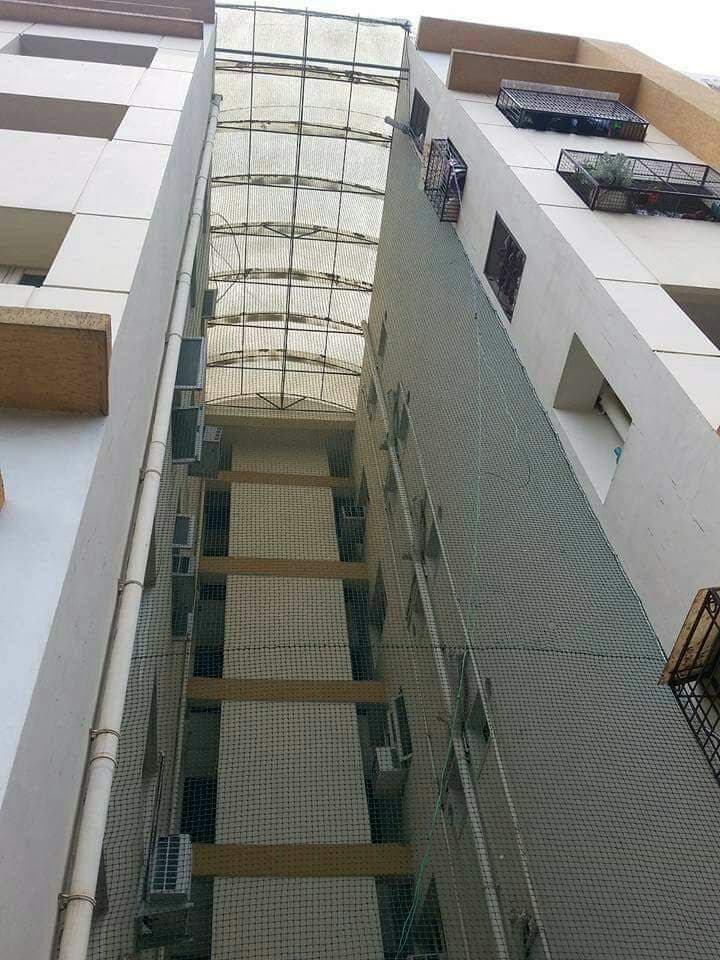
Nets fitted across service shafts and duct openings to stop falling objects, bird nesting and refuse accumulation.
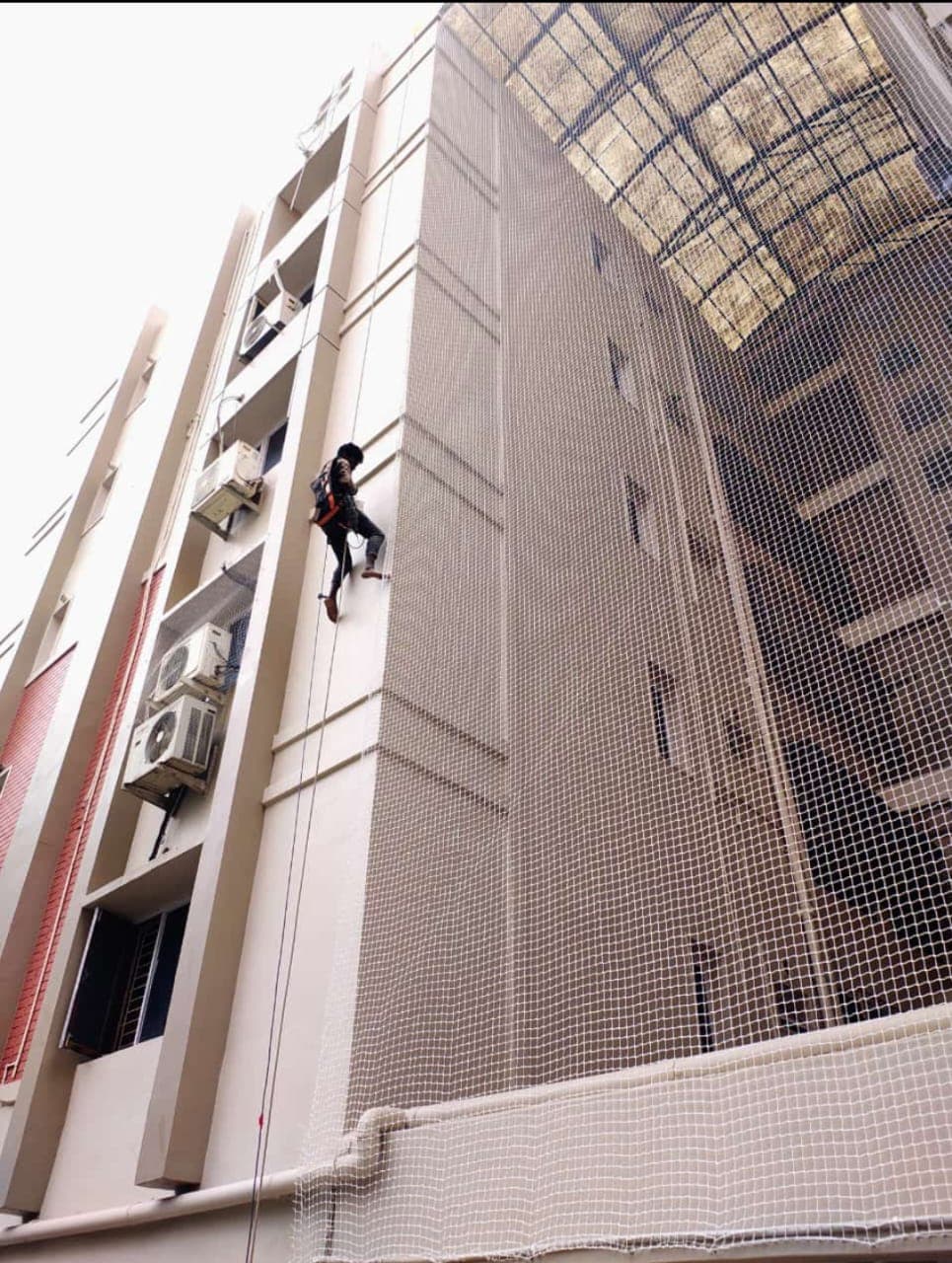
Building covering nets
Facade and scaffold sheeting that contains debris, dust and tools during construction, repair and painting work.
intentFocus
Suryapet enquiries about installation usually need a measured opening first; this page is about how installation is planned and executed on site: survey, specification, fixing method, and handover. Timelines and access requirements vary by building, so what follows is what we actually do rather than a generic process diagram. Work in Suryapet is sequenced around access near Suryapet, local society permissions, and heat and UV on open terraces and parapets.
installation
1. Inspection
We inspect the opening in Suryapet, note substrate condition, and flag access or association constraints before any material is ordered.
2. Measurement
Every bay is measured on site so the quotation matches the real opening, not a floor-plan guess.
3. Material selection
Grade, spacing, and hardware are chosen for local climate and use — HDPE facade sheeting or Flame-retardant netting as specified on the quote.
4. Installation
We confirm the scaffold or structure can accept the additional wind load that cladding it will create.
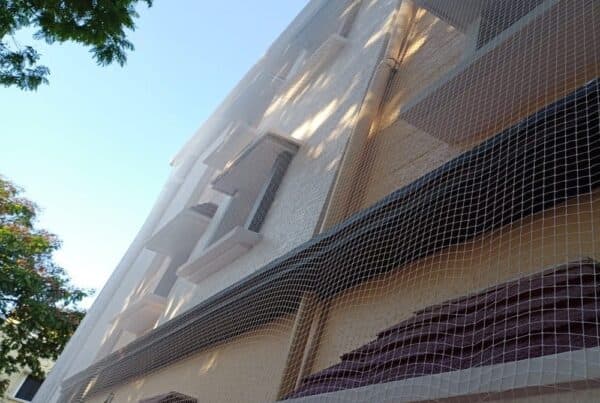
materials
| Material | Specification | Why it matters |
|---|---|---|
| HDPE facade sheeting | UV-stabilised HDPE monofilament, 50 to 150 GSM | Weight is chosen for the work: lighter mesh passes more wind and heavier sheeting contains finer material. |
| Flame-retardant netting | FR-treated polyethylene sheeting | Specified wherever welding, cutting or grinding is planned within the clad zone. |
| Ties and edge reinforcement | UV-stable cable ties or lacing cord with reinforced eyelets | Eyelets spread the load into the sheeting; ties are the intended sacrificial element and are replaced as needed. |
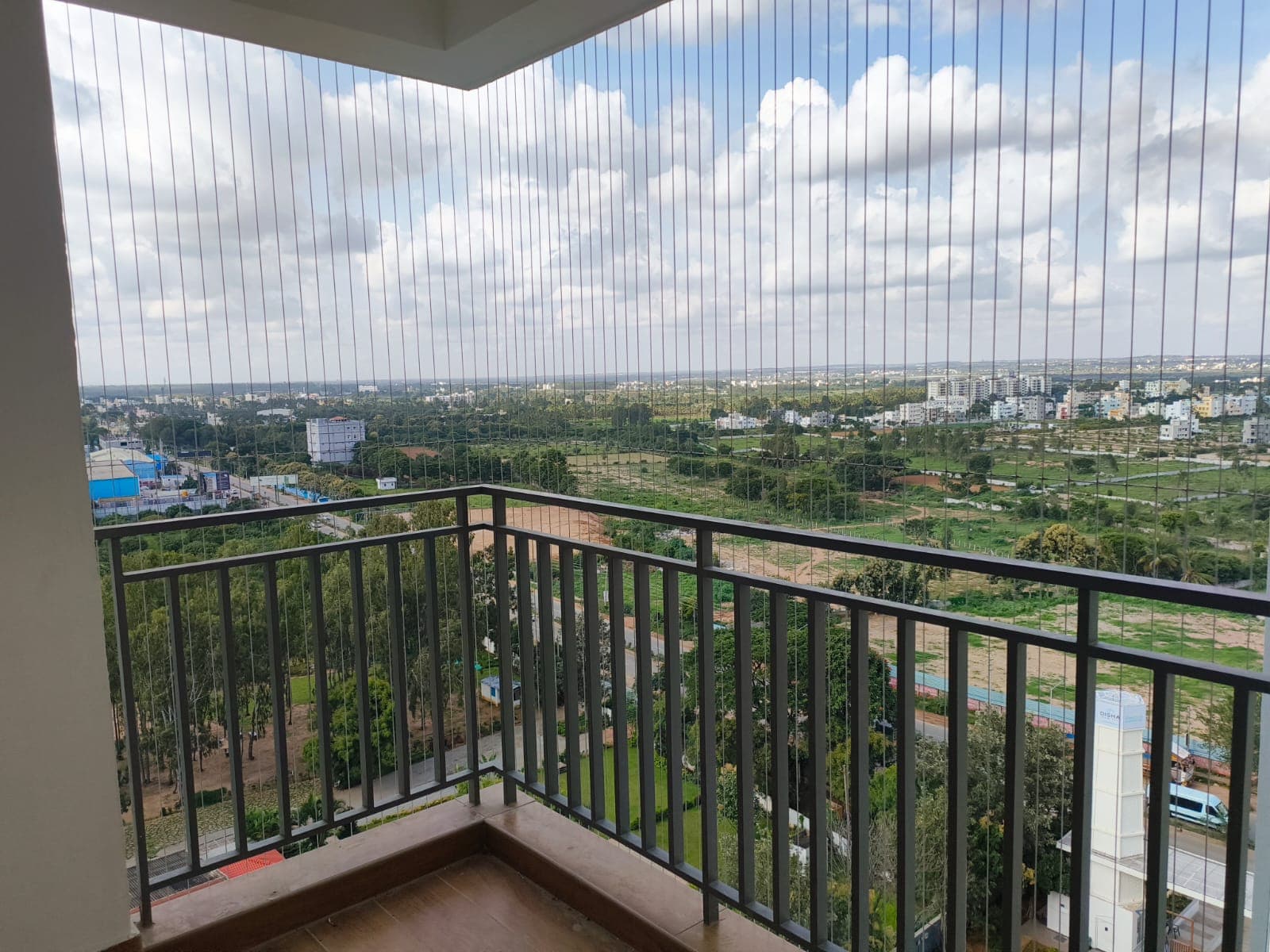
localConditions
Work in Suryapet is sequenced around access near Suryapet, local society permissions, and heat and UV on open terraces and parapets.
With independent houses the work is nearly always reachable from ground level or a short ladder, so there is no access equipment to price in. What varies instead is the wall itself: plot-built houses use a wide range of constructions, and the fixing method has to follow what we find rather than a standard detail. That is why the survey looks closely at the wall before quoting.
In dry conditions the point of the sheeting is usually dust rather than debris, and dust is what generates complaints from neighbours. We specify a finer mesh than debris containment alone would need, and plan for cleaning the sheeting during the programme so it keeps working.
benefits
pricingFactors
whyChoose
Planned around your opening
A balcony, a window and a utility opening each need a different building covering nets approach in Suryapet, Telangana. We consider how you use the space, where the fitting can be secured, and how you will access it afterwards.
Protects everyone below
Debris and tools are contained on the facade, which is what allows work to continue over an occupied street or car park.
Keeps dust off neighbours
Fine sheeting holds most airborne dust and overspray on site, which is usually the difference between complaints and none.
Lets the building stay in use
Residents and tenants can remain in occupation during facade work rather than the site being closed off entirely.
More ways to make your space work
Start with the job the opening needs to do. Each page keeps its own specification notes — not a copied national paragraph.
Facade and scaffold sheeting that contains debris, dust and tools during construction, repair and painting work.
Facade and scaffold sheeting that contains debris, dust and tools during construction, repair and painting work.
Facade and scaffold sheeting that contains debris, dust and tools during construction, repair and painting work.
Facade and scaffold sheeting that contains debris, dust and tools during construction, repair and painting work.
Pricing that stays honest
We do not publish a fake national ₹/sq ft band that pretends every balcony is the same. Instead you get unit clarity, a quote checklist, and a photo estimate path — so you can compare any vendor (including us) without guessing.
Width, height, returns, corners, and irregular edges decide quantity. Photos help shortlist; survey locks the number.
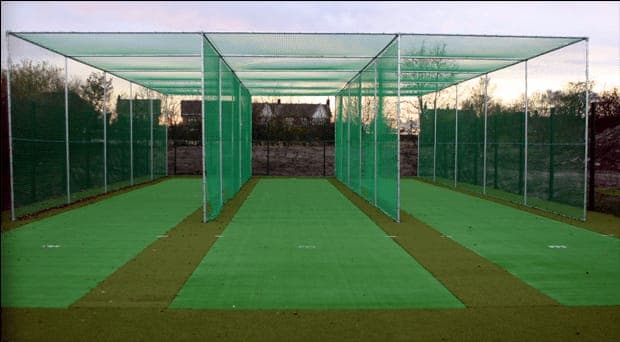
Child spacing, bird mesh, monkey-grade denier, and coastal 316 cable are different specs — not one generic “safety product”.
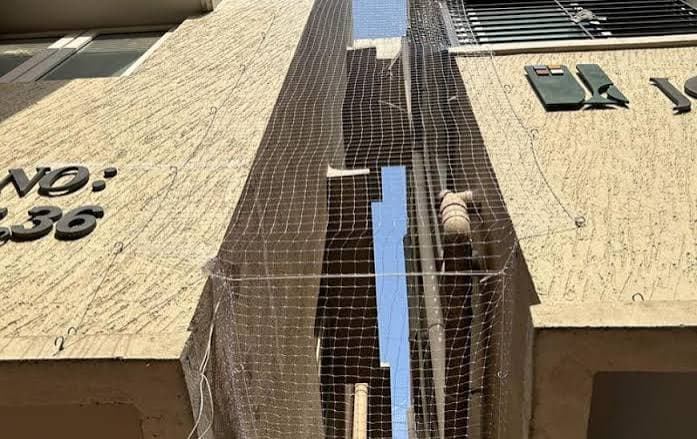
Floor height, scaffold or gondola, railing type, and concrete vs metal change labour and hardware even at the same area.

Edge finishing, colour match, tension checks, warranty visits, and what must appear on the written quotation before install day.
Clearer units than a thin four-card price band — so quotes stay comparable.
| System | Typical unit | Must be named on the quote |
|---|---|---|
| Invisible grills | Usually by fitted opening area (or bay count) | Cable grade (304/316), spacing, frame finish, openable bays |
| Balcony / child safety nets | Usually by fitted mesh area | Denier/UV grade, aperture, border rope, return sides |
| Transparent / low-vis nets | Usually by fitted mesh area | Strand colour, denier, mesh size, edge treatment |
| Pigeon / anti-bird nets | Usually by covered opening area | Full-opening vs ledge-only, mesh size, duct returns |
| Bird spikes | Usually by running length of ledge | Base material, glue vs screw fix, bird species pressure |
| Monkey-grade nets | Usually by fitted area + reinforcement extras | Denier, corner plates, pull-tested anchors |
| Sports / cricket nets | By lane size or panel set | Impact rating, posts, shared-terrace rules |
| Cloth hangers | By system (rails/lines), not balcony sq ft | Ceiling vs wall, pulley count, stainless grade |
Full depth: pricing guide · compare systems
Photo estimate
One wide shot + a close-up of the fixing surface is enough to shortlist the system and outline what your written quote should include. Firm totals follow survey.
Our work
Installation photography from comparable openings — used to judge finish quality before you book a survey.
Photo → WhatsApp estimate
One wide shot and a close-up of the fixing surface are enough to confirm coverage, suggest the right system, and outline what should appear on a written quotation before you book a survey. Firm totals still follow measurement on site.
Local coverage
Showing 6 of 52 published localities and 1 mandal / town pages — more on the Suryapet hub.
Yes — we measure the opening in Suryapet, note substrate and access, then write grade and spacing into the quotation.
Suryapet's arid profile means we still plan for heat on west-facing rails even when rust risk is lower.
We use Suryapet bus stand only as an orientation cue — the install address still needs a PIN and floor. Coverage follows surveyed Suryapet localities, including Suryapet.
Compare measured area, material grade, spacing, access/labour, and finish. Avensafe does not publish a single Suryapet rate per square foot because openings and access differ.
On-site time is usually 8–60 hours after measurement, subject to Suryapet lift slots or street access.
Yes, because above roughly the tenth floor wind pressure rather than impact governs the design. We increase the number of fixings, set anchors further back from slab edges to avoid spalling, and keep net panels smaller so no single failure can open a large gap. Material handling also has to be arranged through the service lift.
Not without checking its design first. Cladding a scaffold can multiply the wind load it carries, and a scaffold erected without that allowance may not be adequate once sheeted. We review the temporary works before anything goes up, which occasionally means asking for additional ties before we proceed.
It needs attention but rarely means replacement. Slack in a cable widens the gap under load, which is the thing a barrier exists to prevent, and slack in a net lets it whip and abrade against fixings. Both are usually corrected by re-tensioning at the existing hardware, which is a short visit rather than a new installation.
We cover the localities listed on our service area pages, and those lists reflect where we genuinely operate rather than everywhere we would like to. If your locality is not listed, call us anyway: we often work just beyond a listed boundary, and we will tell you plainly if a job is outside our reach rather than sending someone unprepared.
Warranty depends on the product, and the figure for each one is stated on its service page rather than promised generically here. In every case the warranty covers materials and workmanship on what we installed, and it assumes the yearly inspection is carried out. We will always tell you what is and is not covered before you commit.
In most gated communities and housing societies, yes, because anything fixed to an external wall or balcony counts as a facade alteration. We can supply the drawings and material specification you need to submit. It is worth starting that process early, since approval usually takes longer than the installation itself.
A cloth hanger is usually done in an hour or two. A single balcony safety net takes two to six hours, and an invisible grill on one or two bays takes most of a working day. Larger jobs such as sports enclosures or building covering run to several days because foundations and scaffold have to be dealt with first.
Free survey
We measure every bay, check what we are fixing into, and quote the grade and spacing in writing. No rate per square foot, because it would be wrong for most properties.
Explore more
Continue this service, compare nearby locations, or open a buyer guide — every cluster is unique to this page.
1 sections
3 sections
1 sections
3 sections
Conversion
Send a photo, book a callback, or call the team — we reply with the right system options for your opening.